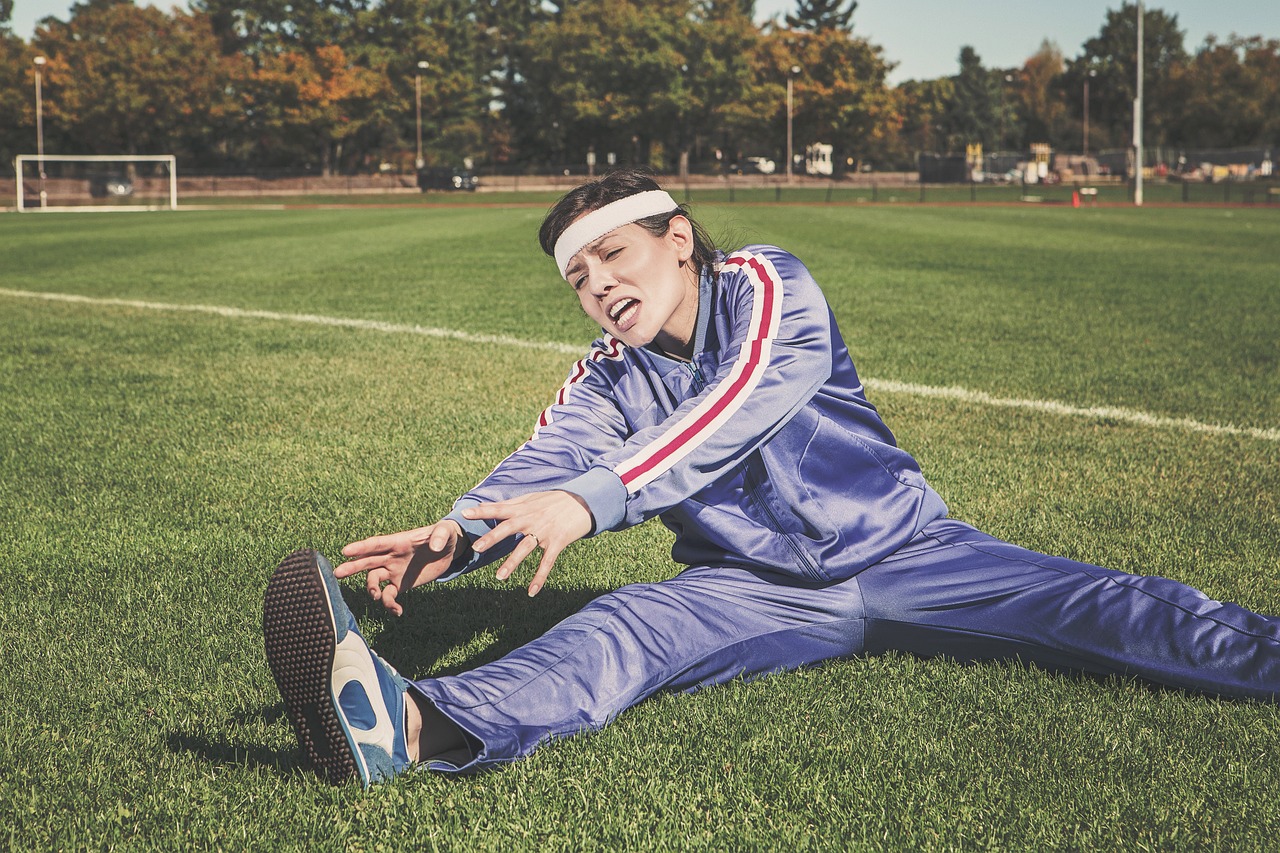

Combining Progressive Muscle Relaxation with Visualization for Athletic Success
Progressive Muscle Relaxation (PMR) is a powerful technique that helps athletes manage stress effectively. This method involves a systematic process of tensing and relaxing various muscle groups to promote deep relaxation. PMR has been shown to improve athletic performance by reducing anxiety and enhancing focus. Athletes often face intense pressures, and stress can greatly impact their performance levels. By incorporating PMR into their training regimen, athletes can learn to recognize and release tension throughout their bodies, leading to improved mental clarity. Visualization complements PMR perfectly by allowing athletes to mentally rehearse successful performances. Through the use of imagery, athletes can visualize themselves succeeding while remaining calm and relaxed. This not only strengthens their mental skills but also increases confidence levels during competition. Together, these techniques form a comprehensive approach to stress management, enabling athletes to excel in their sport. The effectiveness of combining PMR with visualization lies in establishing a routine that fosters mental resilience and readiness. By prioritizing relaxation and visual rehearsal, athletes can prepare their minds and bodies for success, setting themselves apart from the competition in various athletic endeavors.
Incorporating PMR into an athlete’s training schedule can be a game-changer. Before competition, athletes can practice PMR to release any built-up tension and anxiety, allowing them to enter the event feeling composed. The practice encourages athletes to focus on their breathing, which is essential for maintaining calmness under pressure. While engaged in PMR, athletes can utilize visualization techniques to enhance their performance. Mentally picturing themselves engaging in their sport successfully contributes to improved concentration and positive outcomes. By adopting this dual approach, athletes can create a strong mental framework, better preparing them for the challenges ahead. To implement these techniques effectively, athletes can dedicate a specific time before training sessions or competitions to engage in PMR and visualization exercises. Structured routines enhance their overall effectiveness, ensuring athletes remain focused on their goals. Additionally, it’s crucial for athletes to remain consistent with these practices, as regular engagement strengthens their mental skills. By fostering a peaceful mindset, tension can be alleviated significantly. As a result, athletes may find themselves becoming more adept at handling competition-related pressures while maximizing their performance.
The Benefits of PMR and Visualization Techniques
Both PMR and visualization techniques contribute significantly to stress reduction and mental clarity for athletes. Practicing PMR leads to lowered heart rates and decreased muscle tension, allowing athletes to maintain physical calmness. This physical relaxation supports mental focus, giving athletes an edge in performance. Visualization, on the other hand, taps into the mental aspect of preparation. It involves creating vivid mental images of desired outcomes, including taking successful shots or completing difficult routines. This mental rehearsal not only enhances muscle memory but also increases the likelihood of achieving success in real-life scenarios. Engaging both techniques promotes a holistic approach to competition preparation. Athletes can visualize executing plays while simultaneously relaxing their muscles, creating a synergistic effect on performance. The combination enhances self-confidence, as mental imagery supports athletes’ belief in their abilities. Improved concentration and focus during performance are other benefits that arise from this technique. By training both body and mind, athletes can foster resilience in the face of challenges they may encounter. In this way, PMR and visualization techniques are integral to achieving peak performance in competitive sports.
To target specific muscle groups during PMR, athletes can create a routine that includes the major muscle areas. This includes the shoulders, arms, and legs. Athletes should begin by tensing each muscle group in sequences, holding the tension for five seconds before releasing. Focusing on the contrast between tension and relaxation helps deepen their understanding of how their body feels under stress. Once athletes become familiar with the method, they can incorporate visualization during these exercises. By imagining positive outcomes in their sport, they develop mental resilience and navigate stress more adeptly. Establishing a deep connection between PMR and visualization allows athletes to manage any performance anxiety effectively. They can visualize themselves succeeding while feeling the relaxation coursing through their muscles. Regular practice can lead to self-awareness regarding stress responses. This training method empowers athletes to control their reaction to stressors while ensuring that their performance does not suffer as a consequence. Ultimately, achieving success in sports involves not only physical strength but also proper mental conditioning. Therefore, adopting PMR combined with visualization serves as a foundation for aspiring and experienced athletes alike.
Practical Steps for Implementation
To incorporate PMR and visualization into their routines, athletes should consider developing a structured practice plan. Setting aside dedicated time lengths, such as 10-15 minutes, for these exercises can enhance consistency. Creating a pastel environment can also facilitate relaxation, such as using comfortable clothing or dim lighting. Additionally, athletes may benefit from professional guidance, such as working with a sports psychologist, who can help tailor the practices to individual needs. Learning to focus their minds during PMR allows athletes to create a mental atmosphere conducive to visualization. It is beneficial to practice both techniques prominently before critical competitions. They can visually rehearse their performance while engaging in PMR. By repeating this practice over weeks, a habit forms that athletes can rely on during times of heightened stress. Emphasizing a growth mindset also aids the learning process. By understanding that mastery is built over time, athletes can remain patient with themselves while reaping the rewards of this dual technique approach. Such preparation may prove invaluable when facing the competitive stresses inherent in sports. A well-structured plan can lead students towards achieving consistent progress.
A significant component of success in managing stress through PMR and visualization is maintaining a reflective practice. Maintaining a journal allows athletes to document their feelings before and after employing these techniques, which enhances their self-awareness. They can assess how these exercises impact performance in key competitions. Reflecting on successes and challenges enables athletes to monitor their progress over time. This reflective practice also fosters a growth mindset, encouraging athletes to view setbacks as valuable learning experiences rather than failures. Furthermore, integrating affirmations into their reflections can enhance visualization effectiveness. Positive affirmations reinforce their belief in success, shifting focus away from negative thoughts. This mental shift supports resilience in overcoming setbacks, further strengthening their foreseen outcomes. By continually refining their processes, athletes can adapt their practices based on what delivers the best results. Utilizing this reflective approach ensures that athletes not only wield the tools of PMR and visualization effectively but also cultivate their passion for their sport. Alongside physical training, this approach bolsters the athlete’s overall readiness, leading to greater success and satisfaction.
The Road Ahead
As athletes continue their journey, mastering the integration of PMR and visualization paves the way for sustained success in their sports careers. Implementing these stress-reduction techniques enriches their mental preparation. This depth equips athletes to face varying pressures and challenges head-on, promoting resilience and physical readiness. Moreover, as athletes progress, they can revisit and refine their practices, adjusting them to match their evolving needs. This adaptability ensures that they sustain the benefits garnered from PMR and visualization strategies. Engaging in ongoing mental conditioning can also assist athletes in not just performing well but thriving in their chosen sport. As pressure mounts, reliance on these techniques can become a critical differentiator between performance levels among competitors. Creating mental routines based on relaxation ensures that athletes are fully prepared for any situation. Observing the positive impact can encourage other athletes to adopt these practices, promoting a culture of mental well-being in sports communities. Continuous improvement, alongside foundational techniques, leads to success that encompasses not only athletic achievements but also personal growth and well-being.
In conclusion, blending PMR with visualization techniques offers athletes invaluable benefits. The comprehensive approach to stress management enhances focus, leading to consistently improved performances. Both techniques synergize, equipping athletes with tools to cultivate mental resilience in competitive environments. By understanding the value of maintaining a relaxed body through PMR while visualizing success, athletes gain a distinct advantage over their competitors. Adopting these practices fosters a greater sense of awareness regarding physical and mental states, allowing athletes to perform at their best. Notably, the benefits extend beyond the sports world, impacting an athlete’s overall well-being. Taking this proactive approach empowers athletes to thrive, reinforcing the interconnectedness of mental and physical prowess. Therefore, prioritizing PMR and visualization in training regimens fosters true personal growth. Creating a routine around these techniques can facilitate the cultivation of a winning mentality, setting the stage for continued success. Overall, athletes who invest time in developing these stress management techniques may discover that they unlock their true potential, reinforcing their love for their sport. Set on a journey toward athletic excellence, athletes can always rely on the foundations of PMR and visualization.