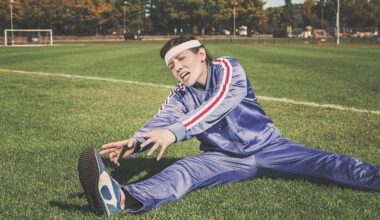

Core Conditioning Challenges Unique to Golfers
Core conditioning is crucial for golfers as it directly impacts swing mechanics and overall performance. Golfers face unique challenges that require specific strength and conditioning exercises. One significant challenge is maintaining stability throughout the golf swing. The rotational forces and balance needed during the swing can strain the core muscles. To address this, golfers should incorporate exercises that emphasize core strength, especially rotational movements. Another common challenge golfers face is flexibility. A flexible core aids in a full swing arc, enhancing power. Exercises that involve dynamic stretching can help improve this flexibility. The third challenge is endurance; golfers must sustain their performance across 18 holes. Building core endurance through higher repetitions and circuit training can be beneficial. The fourth challenge is injury prevention. A strong core supports the spine and reduces the risk of lower back injuries, common in golfers. Golfers must focus on both strength training and proper biomechanics. Lastly, adaptation to different courses and terrains requires a well-conditioned core. Specific training routines can help golfers adjust their strengths accordingly. Emphasizing these conditioning factors can lead to substantial improvements in performance.
One effective way to enhance core conditioning for golfers is to incorporate stability ball exercises. Engaging with stability balls challenges balance, which is vital when swinging. Examples include stability ball rollouts and wall squats. These exercises enhance core engagement and improve stability, which is essential in golf. Additionally, incorporating resistance bands into training routines can also be beneficial. Bands allow for dynamic movements that mimic golfing actions while building strength in the core muscles. Exercises such as standing band rotations can target the obliques. Furthermore, functional movements such as lunges while twisting help replicate the dynamics of a golf swing. It’s crucial to ensure that golfers maintain proper form throughout all exercises to avoid injury. Engaging in Pilates or yoga can also aid in developing core strength while increasing flexibility. Many elite golfers incorporate these practices into their training regimes. These methods not only enhance performance but also promote recovery from intense training. Lastly, regular assessment and modification of conditioning programs will keep the training reflective of the golfer’s advancements. By focusing on these key areas, golfers can approach their core conditioning effectively.
The Role of Nutrition in Core Conditioning
Nutrition plays a pivotal role in core conditioning, particularly for golfers. A well-balanced diet ensures the body receives appropriate fuel to perform optimally during prolonged play. Hydration is equally important; dehydration can lead to decreased performance and increased injury risk. Golfers should prioritize foods rich in proteins, complex carbohydrates, and healthy fats to support muscle recovery and energy. Consuming protein-rich snacks pre- and post-round can enhance muscle repair. Foods such as chicken breast, fish, and legumes should be staples in a golfer’s diet. Complex carbohydrates from whole grains provide the energy needed for endurance on the course. Healthy fats, like avocados and nuts, ensure a balanced diet. Moreover, timing meals around training and golfing sessions can elevate performance. A strategic meal plan could significantly enhance focus and energy levels during play. Supplementing with vitamins and minerals is also recommended, particularly for bone health and recovery. Key supplements like Vitamin D, Omega-3 fatty acids, and Magnesium can support muscle function. Lastly, keeping a food diary can help track eating habits and identify areas for improvement. Understanding the synergy between nutrition and conditioning can propel a golfer’s performance.
Part of core conditioning for golfers also includes mental preparation. Mental toughness plays a significant role in a golfer’s ability to perform under pressure. Golf is a demanding sport that requires focus, resilience, and a positive mindset, especially during challenging rounds. Incorporating mental conditioning techniques, such as visualization and mindfulness, can greatly enhance a golfer’s performance on the course. Visualization techniques involve imagining successful swings and outcomes before actually executing them. Mindfulness practices help in staying present during play, aiding concentration. Engaging a sports psychologist can be beneficial for golfers seeking to improve mental toughness. Regular practice of these techniques not only boosts confidence but also enables golfers to manage stress effectively. Developing a pre-round routine that includes these mental preparedness strategies can yield positive results. Additionally, practicing relaxation techniques before play can reduce anxiety, leading to better performance. Critical moments during a round often hinge on mental clarity and composure. Consequently, golfers must recognize the importance of holistic training that combines physical conditioning with mental preparation. This approach can foster significant improvements, both in core strength and overall performance.
Incorporating Functional Training for Golfers
Functional training is essential for golfers in enhancing their core strength. This training method focuses on movements that mimic the demands of the sport, improving overall efficiency during play. Exercises such as kettlebell swings and medicine ball throws engage multiple muscle groups, effectively building core stability. Furthermore, functional training helps strengthen the kinetic chain, which is vital for generating power in a golf swing. Different exercises can target various aspects of strength, including lower body, upper body, and rotational power. Engaging in rotational exercises like cable wood chops can simulate the golf swing’s mechanics, improving performance. Integrating plyometric movements can also enhance explosiveness, adding speed to the swing. Bodyweight exercises such as planks and rotational push-ups help ensure effective core engagement. Moreover, these exercises can often be tailored to accommodate all levels of ability and fitness. Incorporating balance training, like bosu ball exercises, can aid stability essential during a swing. Golfers should prioritize varied training regimens that encompass these functional exercises to enhance core strength. Ultimately, functional training can lead to a more powerful, accurate, and consistent golf game.
Regular assessment of core strength and conditioning programs is vital for golfers to ensure they are progressing effectively. Implementing performance testing can provide insight into strengths and weaknesses, allowing for tailored training solutions. Common assessments include functional movement screenings or specific strength tests that target core stability and endurance. These assessments help identify areas needing more focus, such as specific muscle imbalances or deficiencies. Additionally, incorporating feedback from instructors and trainers can refine training approaches effectively. Golfers can also set performance goals based on their assessments, creating benchmarks for improvement. Monitoring progress over time establishes motivation and accountability. Moreover, adapting conditioning programs in conjunction with assessments keeps training relevant and challenging. Regular re-evaluation aids in preventing stagnation in performance. One successful assessment approach includes self-reporting tools for golfers to track their perceived exertion and fatigue levels during training. Making adjustments based on self-data, alongside professional feedback, creates a comprehensive view of one’s core conditioning journey. Ultimately, continuous assessment and adaptation lead to sustained improvement. Golfers committed to advancing their core strength will experience substantial performance enhancements.
Conclusion: The Path to Core Conditioning
Achieving optimal core conditioning is a multifaceted approach that involves strength, flexibility, endurance, nutrition, mental toughness, and ongoing assessment. By recognizing the unique challenges faced by golfers, they can tailor their training programs accordingly. Engaging in functional training, stability ball exercises, and resistance training significantly enhances core strength and functional performance. Additionally, incorporating nutrition and mental conditioning fortifies the foundation of their training regimen. Golfers must remain diligent and committed to their schedules, recognizing the importance of consistency in training. As they navigate through various exercises and techniques, monitoring their progress can aid in staying motivated. This comprehensive focus on core conditioning not only elevates performance but also reduces the risk of injuries, allowing golfers to enjoy the game longer. By integrating various training aspects, golfers can achieve a holistic state of conditioning. Ultimately, understanding that core strength is fundamental to all physical aspects of golf will propel players toward better results, lower scores, and enhanced enjoyment of the game. Every golfer’s journey will be unique, reflecting their individual commitment to excellence and performance improvement.