
Dehydration in Kids: Signs Every Parent Should Know
As the warmer months approach, it’s important for parents to pay close attention to the hydration of their children. Dehydration can lead to serious health issues, especially in kids who are active and tend to sweat more. Recognizing the signs of dehydration early on can make a significant difference. Parents should be aware of symptoms such as excessive thirst, dry mouth, and tiredness. Frequent urination or dark-colored urine can also indicate that a child is not sufficiently hydrated. Children often forget to drink water, especially when they’re involved in play. Therefore, it’s vital to remind them regularly. Encourage them to have water breaks during activities, and offer them fruits and vegetables with high water content. Keeping a water bottle within reach can serve as a reminder. Parents should make hydration a part of their daily routine. Identifying the signs of dehydration can help parents ensure their child’s well-being and performance. A well-hydrated child not only feels better but performs better in both academics and sports.
Consequences of Severe Dehydration
When kids experience severe dehydration, the impact can be quite serious. Signs can escalate to more alarming symptoms such as dizziness, confusion, or very dry skin. It’s essential for parents and caregivers to be aware that young children can become severely dehydrated within a relatively short time. In extreme cases, dehydration could result in complications such as heat exhaustion or kidney damage. Especially during prolonged outdoor play or sports, children can lose a substantial amount of water through sweat. The risk increases if they are ignoring their thirst cues. In addition to physical symptoms, cognitive functions can also be impaired due to dehydration. This may lead to difficulty concentrating in school or reduced athletic performance. Keeping an eye on their hydration status is crucial. Parents should teach kids about the importance of drinking water before, during, and after exercising. As a preventive measure, ensure that your child knows how to listen to their body and recognize when they are feeling thirsty. Addressing dehydration is not just about being aware; it’s about action.
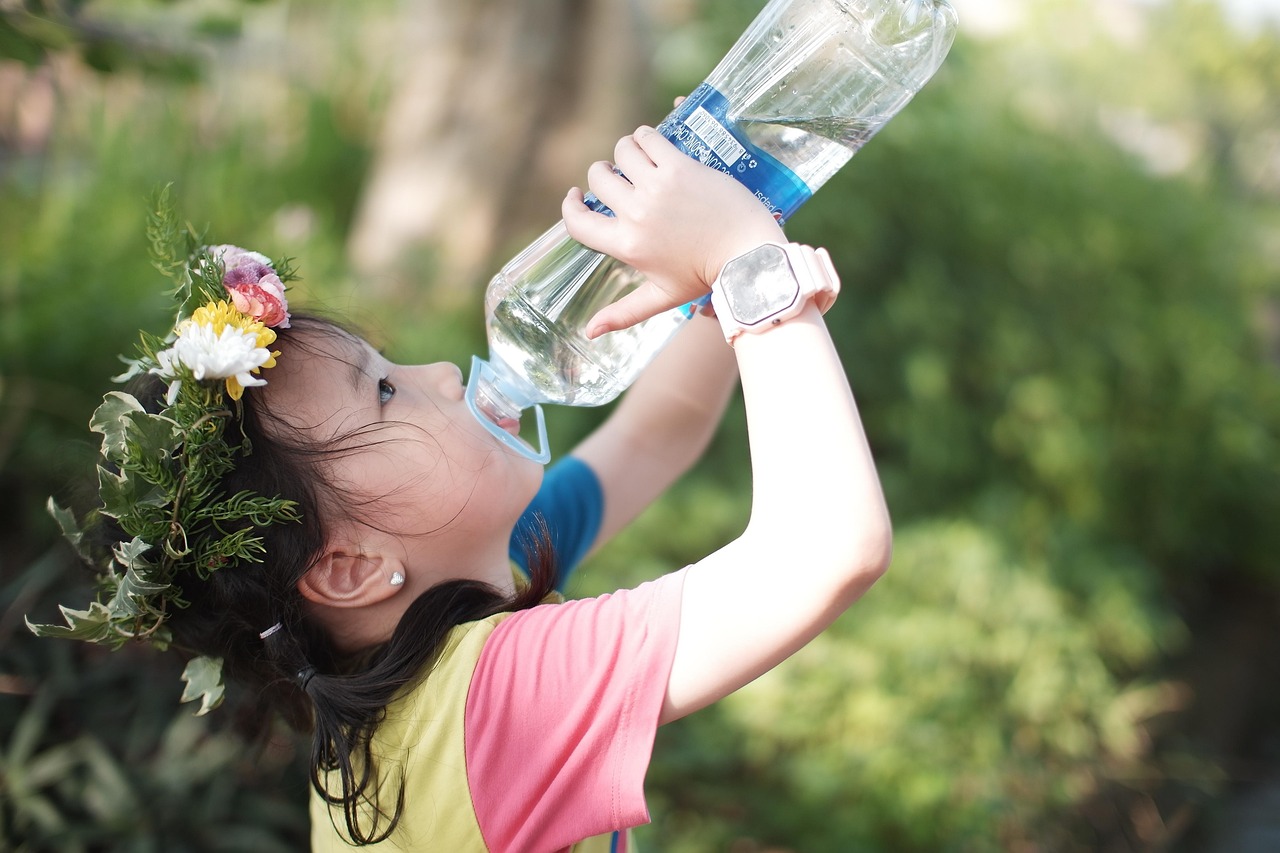
To encourage hydration in kids, parents can implement fun strategies that make drinking water more appealing. One approach is to allow kids to choose their water bottles or cups. A colorful bottle featuring their favorite cartoon character might motivate them to drink more water. Moreover, adding slices of fruit like lemon or berries can enhance the flavor. Children might find flavored water exciting and refreshing. Another practical suggestion is integrating hydration into routine meals. For example, soups, smoothies, and hydrated fruits are excellent nutritional sources. It’s also beneficial to create a hydration chart, allowing children to track their daily water intake. This can make the process fun and encourage friendly competition among siblings or friends. Additionally, parents should model good hydration behavior by drinking water themselves. Leading by example can have a significant impact on children and foster lifelong healthy habits. Watch out for the burns of both summer and winter, which can impact hydration levels in different ways. By keeping hydration fun and engaging, parents can help instill a positive attitude towards drinking water in their kids.
It’s essential for parents to gauge their child’s hydration requirements based on activities and the environment. Active kids tend to have higher hydration needs compared to those who are sedentary. It’s also important to remember factors such as heat or humidity which can significantly increase those needs. Parents should refer to guidelines on water intake and tailor their recommendations accordingly. For instance, during physical activity, kids may need an additional 1.5 to 2.5 cups of water. Drinking at scheduled intervals, especially before, during, and after exercise, can help maintain optimal hydration levels. Equally important is the consideration of the child’s age, weight, and overall health status. Consulting with a healthcare provider can offer specific recommendations that apply to each child individually. Watch for environmental cues that might necessitate increased hydration, such as extended exposure to sunlight or participating in vigorous play. Awareness helps parents establish a consistent hydration plan tailored to their child’s lifestyle. Understanding these various factors can help parents create an effective hydration strategy that safeguards their child’s health.
Hydration Myths
There are many misconceptions about hydration that can mislead parents regarding their children’s needs. One common myth is that only specific drinks can provide adequate hydration. While sports drinks may have electrolytes, they often contain excess sugars which are unnecessary for most children. Water should primarily serve as the main source of hydration for kids. Parents should also be cautious not to overly restrict fluid intake during activities. Children’s bodies tend to process hydration differently, and their thirst cues should not be ignored. Another myth is that feeling thirsty means a child is already dehydrated. In fact, thirst is a natural mechanism of the body indicating the need for fluids. Parents should encourage drinking water before thirst is felt, especially during hot days or while engaging in physical activities. Lastly, some believe that juice or milk can replace water. Although these drinks contain fluids, they may not provide the same level of hydration as water. Setting proper hydration practices from an early age can ensure children develop healthy hydration habits throughout their lives. Addressing myths and educating about hydration will empower families.
Monitoring your child’s hydration status can be accomplished through simple observations and strategies. Regularly checking for physical signs, such as the color of urine, can offer invaluable information on hydration. A pale yellow usually indicates that your child is adequately hydrated, while darker shades suggest a need for more fluid. Encourage your child to take hydration breaks, especially during high-energy activities or sports. This can help the body recover and stay at peak performance levels. Keeping a water bottle accessible can make it easier for kids to drink whenever they feel thirsty. Incorporating hydration into breaks at school can also assist younger children. Furthermore, if they show reluctance to drink plain water, consider adding fun flavors or ice to make it more enticing. Family routines that involve hydration can promote collaboration and keep everyone engaged. Fun challenges, such as a hydration day, can encourage kids to compete on drinking water. Make sure to celebrate their efforts and successes in this pursuit. Not only does monitoring hydration have immediate benefits, but it also helps create a healthy mindset in children towards their health.
Final Thoughts on Hydration
Hydration is a crucial topic that every parent should actively consider for their children’s health and well-being. Not only does proper hydration help children avoid possible dehydration symptoms, but it also ensures optimal physical performance and concentration levels. With so many activities competing for a child’s attention, hydration can easily be overlooked. It is up to the parents and guardians to create a proactive approach towards making sure kids drink enough water. Establishing routines around hydration, providing them with fun options, and staying vigilant about their hydration needs is essential. None of these measures should be overly cumbersome or stressful; instead, they can be enjoyable and educational for both parents and kids. Teaching them about hydration will foster lifelong healthy habits that extend beyond childhood. Parents should remain aware of the signs of dehydration and stay informed through reliable sources. A well-informed parent is an empowered parent, capable of making the best decisions for their child. With appropriate guidance and support, children can learn to appreciate the value of hydration and incorporate it into their daily lives.
By engaging in thoughtful discussions about hydration, families can create a culture of health and wellness that lasts. Regular check-ins, varied hydration options, and education contribute significantly to a child’s well-being. It’s not just about drinking water; it’s about understanding the role of water in their overall health and fitness. Through practical steps and consistent effort, hydration can become a natural part of a child’s daily routine. Introducing alternatives, infusing fun, and maintaining awareness can transform hydration from a mundane task into an exciting activity. Over time, children can learn to value proper hydration as an essential component of their active lifestyles. Considering all aspects of hydration will enable families to take proactive measures and maintain healthy routines. Overall, paying attention to hydration needs sets a precedent for healthy lifestyles in children. As parents, the goal should be to not only educate kids about proper hydration but also to encourage healthy habits that last a lifetime. These foundational practices position children for success in physical activities and contribution to their overall health.