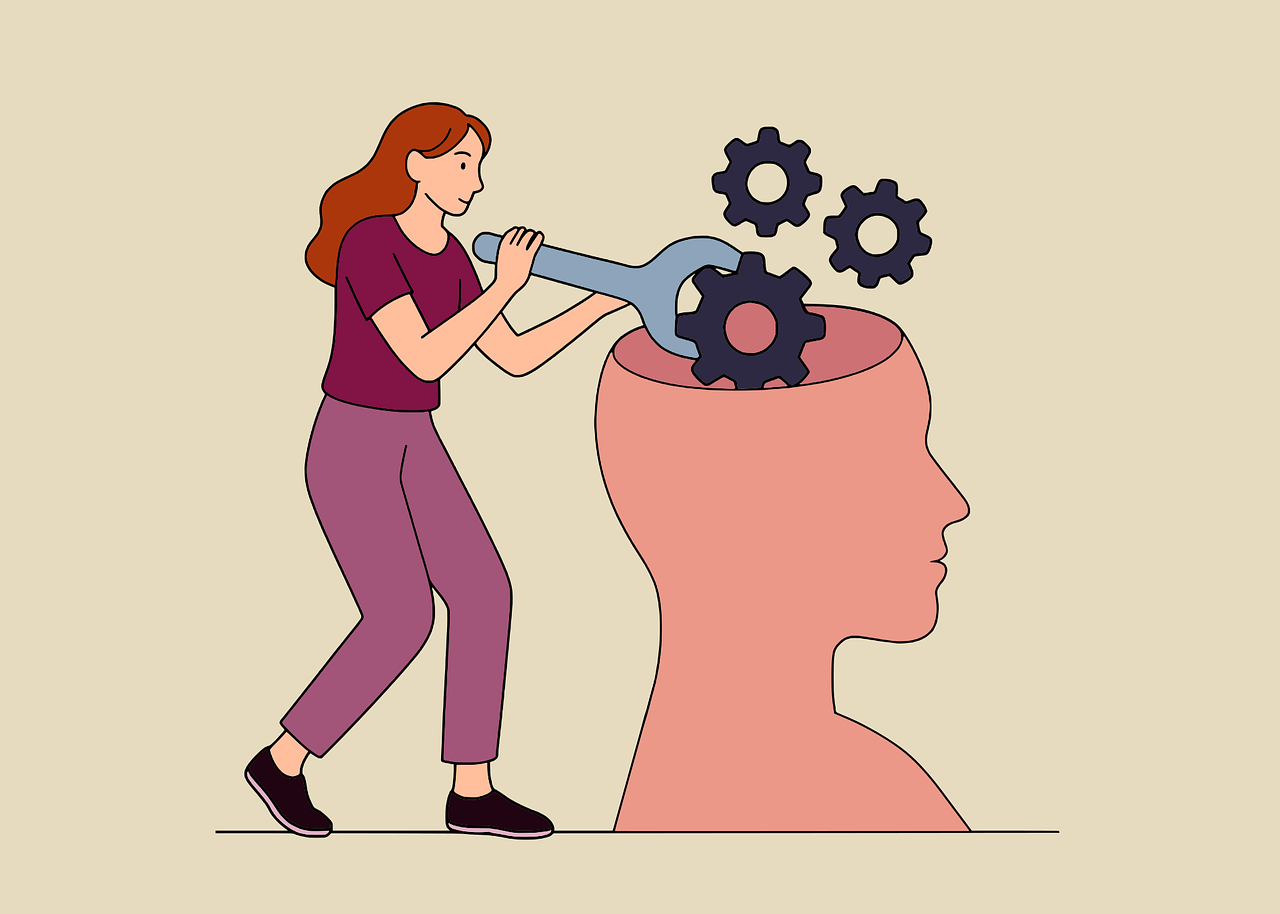

The Role of Cognitive Restructuring in Sports Performance
Cognitive restructuring is a vital technique in sports psychology, particularly within Cognitive Behavioral Therapy (CBT). This method helps athletes reframe negative thoughts into positive ones, enhancing performance and mental resilience. Many athletes experience self-doubt, anxiety, or fear of failure, significantly impacting their concentration and overall performance. Through cognitive restructuring, athletes identify these negative beliefs and challenge their validity. The transformation of thought patterns can lead to improved focus, motivation, and consistency in sports. By replacing unhelpful thoughts with constructive alternatives, athletes become more confident, leading to heightened performances in both practice and competition. Furthermore, cognitive restructuring promotes emotional regulation, assisting athletes in managing pressure and stress effectively. Ultimately, this process fosters a healthier mindset, which is crucial for both performance and personal growth. Coaches and sports psychologists should encourage athletes to integrate cognitive restructuring into their mental training routines. This not only equips them with skills to enhance performance but also aids in personal development off the field. Proficiency in managing thoughts is an invaluable asset in sports, where mental clarity and focus directly correlate to success.
Through cognitive restructuring, athletes can address several common cognitive distortions, which often hinder their performance. These distortions include all-or-nothing thinking, catastrophizing, and overly negative self-assessment. For example, an athlete may believe that a single mistake defines their overall capability, leading to a detrimental spiral of negative thoughts. By employing cognitive restructuring techniques, they can recognize these distortions. Subsequently, they can replace them with more balanced and realistic perspectives. This shift allows athletes to understand that errors are part of the learning process and do not define their abilities. Furthermore, implementing daily affirmations can reinforce positive thinking, cultivating a supportive internal dialogue. Such practices not only enhance sports performance but also promote mental health by reducing anxiety and stress. Athletes who learn to navigate their cognitive distortions develop better coping mechanisms. This ultimately translates to improved performances in competitions. Moreover, it fosters personal growth that extends beyond the sports arena. As athletes practice cognitive restructuring, they build resilience and adaptability, which are crucial for facing both on-field and life challenges. Developing these skills can significantly benefit an athlete’s overall well-being.
Another significant aspect of cognitive restructuring is its role in goal setting. Setting realistic and achievable goals is crucial for sports performance. Athletes often place immense pressure on themselves, striving for perfection rather than progress. By adopting cognitive restructuring, they learn to set performance goals that are realistic and within their control. Such goals focus on progress rather than solely winning or losing, which can alleviate feelings of disappointment or failure. This promotes a growth mindset, where athletes embrace challenges and view setbacks as opportunities for learning and improvement. Additionally, when athletes focus on incremental progress, they can celebrate small successes that contribute to their overall development. Through cognitive restructuring, they can redefine their goals, ensuring they are specifically measurable, attainable, relevant, and time-based (SMART). This encourages sustained motivation and commitment, essential for long-term success in sports. Furthermore, having a clear understanding of personal goals can enhance focus during training and competition, leading to increasingly consistent performance levels. Coaches can guide athletes in this process, emphasizing the importance of mental techniques like cognitive restructuring in achieving their sporting aspirations.
Building a Supportive Environment for Cognitive Restructuring
Creating a supportive environment is critical for effective cognitive restructuring. Coaches, teammates, and family members can play a crucial role in this aspect. Positive feedback and encouragement help reinforce the skills that athletes learn through cognitive restructuring. Such support systems can provide athletes with the understanding they need to challenge negative thoughts effectively. Additionally, communication within teams fosters an atmosphere where athletes feel safe sharing their struggles. Regular team meetings focused on mental health can create awareness and facilitate discussions about cognitive strategies. Moreover, incorporating workshops on cognitive behavioral techniques can benefit athletes. Activities that promote cognitive restructuring help develop a collective understanding and application of these practices. As a result, team dynamics become stronger, as athletes support each other’s efforts to improve. Creating this culture not only enhances performance but cultivates a sense of community and belonging. Furthermore, access to professionals, such as sports psychologists, can provide additional resources for athletes. With these measures, cognitive restructuring becomes a shared focus, making it a vital component of the team’s overall training regimen.
Assessing an athlete’s progress with respect to cognitive restructuring is essential for continuous improvement. Monitoring changes in thought patterns, emotional responses, and performance outcomes enables psychologists and coaches to tailor interventions effectively. Employing self-reporting tools, such as journals or digital apps, allows athletes to document their cognitive shifts. Regular reviews of these self-assessments provide valuable insights, highlighting areas that require further focus or adjustment. Similarly, setting measurable performance benchmarks can help visualize the impact of cognitive restructuring on actual performance. This feedback loop not only reinforces positive change but also maintains athlete engagement in their mental training. Furthermore, assessing the psychological effects of cognitive restructuring can contribute to overall program evaluation. When athletes see tangible results, their commitment to cognitive strategies strengthens. Consequently, they are more likely to continually practice these techniques. Establishing this routine solidifies the athlete’s mental toolkit, which can improve their resilience and adaptability. This ongoing process encourages athletes to take ownership of their mental health and performance, fostering a sustainable approach to cognitive restructuring and its benefits over time.
Incorporating mindfulness practices alongside cognitive restructuring can enhance its effectiveness. Mindfulness focuses on being present in the moment, reducing overthinking and distractions. This practice complements cognitive restructuring by helping athletes become aware of their thoughts without judgment. The awareness gained through mindfulness can facilitate the identification of negative cognitive patterns, making it easier to challenge and replace them. Techniques such as meditation or breathing exercises promote relaxation and focus, which can significantly reduce performance anxiety. Furthermore, integrating mindfulness can also enhance emotional regulation, providing athletes with the tools to manage their feelings during high-pressure situations. The combined use of cognitive restructuring and mindfulness practices creates a holistic approach to sports psychology. Athletes can cultivate mental clarity, acceptance, and resilience, leading to improved performance. Additionally, mindfulness practices may also enhance overall well-being, as they contribute to a more balanced mindset. Coaches can guide athletes in exploring these practices, emphasizing their importance in complementing cognitive strategies. By fostering a mindset grounded in mindfulness, athletes are empowered to navigate challenges, leading to lasting success both in sports and life.
Conclusion
In conclusion, cognitive restructuring plays a fundamental role in enhancing sports performance and the overall mental well-being of athletes. This psychological strategy helps athletes identify and alter detrimental thought patterns, fostering a positive outlook. The benefits extend beyond mere performance enhancement; cognitive restructuring promotes emotional resilience, personal growth, and effective goal setting. Additionally, the supportive environment created by coaches and teammates significantly contributes to the effectiveness of these strategies. Continuous assessment ensures that athletes remain engaged and adaptive in their mental training journey. The integration of mindfulness practices further amplifies the positive impacts of cognitive restructuring, leading to a comprehensive approach to mental health in sports. Coaches and sports psychologists must prioritize these mental techniques within training regimens, recognizing their profound effects on performance and well-being. Athletes equipped with resources to challenge negative thoughts cultivate a winning mindset crucial for success. As a collective effort—athletes, coaches, and sports psychologists can harness the power of cognitive restructuring to unlock potential and navigate the intrinsic challenges within sports. Ultimately, mental resilience shapes not only athletes’ careers but their lives beyond competition.