
The Role of Pilates and Core Training in Back Pain Management
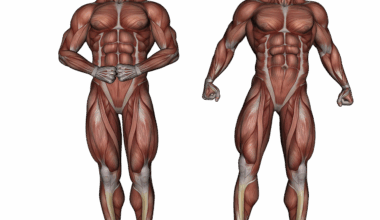
Back pain can significantly impact daily activities and overall quality of life. Strengthening the core through Pilates and targeted exercises is essential for managing back pain effectively. The core comprises muscles in the abdomen, lower back, and pelvic area, working to stabilize the spine. By enhancing core strength, individuals can achieve better posture, reduced strain on the back, and decreased pain levels. Furthermore, Pilates specifically focuses on core engagement while promoting flexibility and balance, offering a holistic approach to back health. Engaging in regular Pilates sessions leads to enhanced muscle coordination and a greater awareness of body mechanics. Incorporating these training techniques can also prevent recurring pain episodes by teaching the body proper movement patterns. Consulting with a physiotherapist before starting Pilates is advisable for personalized recommendations. It’s essential to understand one’s body and limitations to ensure a safe practice. With commitment and consistency, practitioners can witness substantial improvements in pain relief and functional mobility. This article delves deeper into how Pilates can be instrumental in your journey toward alleviating back discomfort. Explore various exercises and strategies that support enduring relief and better overall physical wellness.
Understanding Core Training Benefits
Core training encompasses a variety of exercises aimed at strengthening the muscles that support the spine and pelvic area. These exercises not only reduce the risk of back pain but also improve overall body stability. Engaging in core exercises like Pilates can correct imbalances in muscle strength and enhance endurance. These benefits translate into improved performance in daily activities and physical tasks. Additionally, a strong core can better support the spine’s natural curvature, which is critical in reducing undue stress on the back. When the core muscles are functional and strong, less strain is exerted on the lumbar region during movement. This, in turn, can alleviate previously existing back pain, allowing individuals to engage in more physical activities comfortably. Incorporating a mix of stabilization and strength-building moves into a fitness routine is essential. Activities such as planks, bridges, and various Pilates movements effectively target the core’s muscles. Over time, practitioners will notice enhancements in other parts of their fitness regimen, including strength, coordination, and balance. Thus, embracing core training becomes a pivotal investment in enduring back health and overall wellbeing. Everyone has the potential to benefit significantly from core training if practiced correctly.
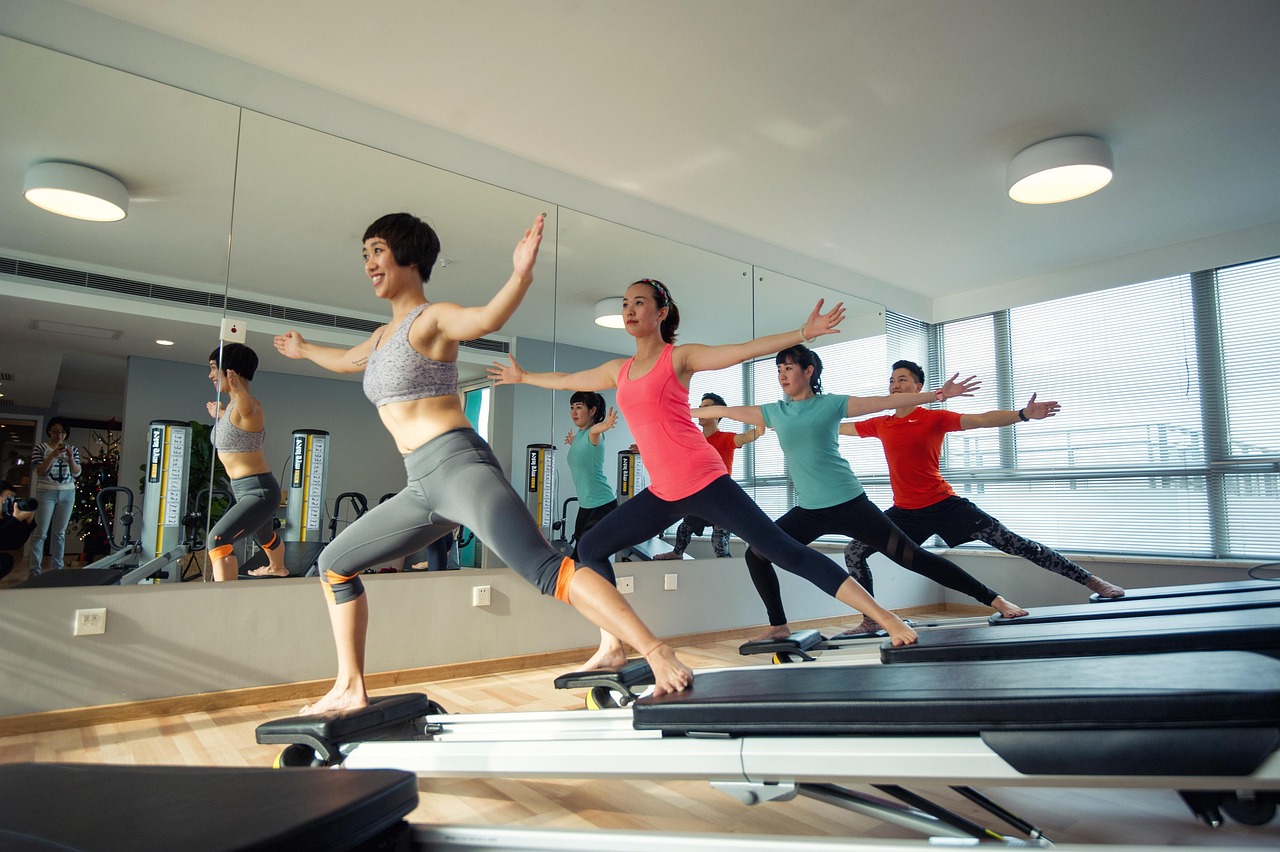
Pilates emphasizes controlled motion and breath, which together serve to connect the mind and body. The focus on technique during Pilates sessions encourages practitioners to pay attention to their body’s needs. This mindfulness can lead to improved posture, a critical factor in back pain management. Poor posture can contribute to muscle imbalances, impacting the efficient function of the spine. During Pilates workouts, each movement is purposefully designed to enhance core stability and minimize the risk of injury. This intentional practice also fosters better awareness of body alignment. As individuals progress in their practice, they may observe a reduction in tension throughout the body. Moreover, Pilates can improve flexibility, making it a versatile choice for those dealing with back pain. Increased flexibility paired with strong core muscles creates a dynamic that supports healthy spinal function. Furthermore, the gradual nature of Pilates allows practitioners to build confidence in their capabilities. Many find that with regular participation, not only is their back pain alleviated, but their overall strength and fitness levels improve as well. Choosing Pilates as a traditional method helps empower individuals to take control of their health and wellness journey.
Exercises Beneficial for Back Pain Relief
When considering exercises that alleviate back pain, Pilates offers a range of options tailored to the individual’s needs. Exercises like the Pelvic Curl, Spine Stretch, and Double Leg Stretch specifically strengthen the core while maintaining spinal health. These movements enhance mobility, which can be limited due to back pain. The Pelvic Curl focuses on articulating the spine and activating the glutes and abdominals, providing an excellent foundational exercise for those new to core training. The recombination of curving and flattening the spine involves safe movements that promote flexibility and strength simultaneously. Similarly, the Spine Stretch encourages proper alignment and lengthening of the spine, which can help reduce tension. The Double Leg Stretch progresses intensity while engaging the core, making it an effective way to build strength progressively. Attention to form and controlled breathing during these exercises is crucial for effective results. In selecting exercises, it’s advisable to consult a Pilates instructor or physiotherapist to ensure suitability for individual circumstances. Adopting these movements regularly supports back pain relief and fosters continued improvement, providing lasting benefits for practitioners over time.
The importance of consistency in core training cannot be overstated when managing back pain. Engaging in Pilates sessions two to three times a week can yield significant results in strength and pain reduction. Additionally, complementing Pilates with at-home practices reinforces the core muscles and aids in retention of learned techniques. Individuals experiencing chronic back issues may need longer to notice improvements, but commitment to the regimen is vital. Documenting progress through a fitness journal may also encourage adherence to the practice schedule. Regular reflections on personal successes help maintain motivation, especially during times of discomfort. Patience is key in any fitness journey, particularly when addressing long-term pain problems. Results may take weeks or months to manifest, but each session contributes to eventual healing and strength development. Moreover, practicing mindfulness and body awareness during workouts can deepen the mind-body connection, fostering a more fulfilling practice experience. As individuals witness growth, they often become more invested in their health journeys. This transformation often leads to additional lifestyle changes that further support physical wellbeing. Overall, the commitment to core training serves to empower individuals on their path to pain relief, restoration, and enhanced fitness.
Consulting Professionals
Prioritizing safety and efficacy in your approach to core training is crucial, particularly for those with existing back pain. Consulting a certified Pilates instructor or a physiotherapist can provide tailored programs designed for individual needs and limitations. Such professionals assess one’s physical condition and offer modifications to safeguard against injury. They can teach proper techniques vital for executing movements correctly. Understanding how to engage core muscles without straining others is necessary for effective practice. Evaluating existing injuries or conditions allows professionals to provide exercises that build strength gradually. This step prevents aggravation of back pain while enhancing stability and mobility. Beyond education on core exercises, instructors often highlight the significance of breathing techniques within Pilates. These methods enhance oxygen flow and facilitate muscle engagement, optimizing overall effectiveness. Additionally, working with professionals can foster accountability. Regular check-ins and guidance ensure that practitioners stay on track with goals. Finding a skilled instructor or therapist can enhance motivation and lead to lasting enthusiasm for practice. This journey toward relief and strength through core training ultimately requires diligence, and enlisting expert support helps sustain commitment and focus throughout the process.
In conclusion, Pilates and core training play a significant role in managing back pain effectively. By targeting the core muscles and promoting better body mechanics, individuals can experience substantial relief from discomfort. As they enhance strength, flexibility, and posture, there is no doubt that these practices contribute greatly to overall wellness. The supportive environment of a Pilates class allows individuals to learn proper techniques in a safe space. Moreover, consistent practice leads to long-term habits that sustain physical health. As individuals become empowered through their progress, they may also inspire others to embark on a similar journey toward improvement. The collective experience of, sharing tips, and encouraging fellow practitioners becomes an integral aspect of community within Pilates. Overall, the benefits of core training extend beyond back pain relief, affecting multiple facets of life, including mental health and emotional balance. The promise of increased quality of life through targeted training becomes a motivating factor for many. Ultimately, exploring and embracing these practices offers pathways to healthier living. Special consideration should be given to consulting experts at the beginning. With commitment towards embracing core training, each individual can unlock their potential toward total well-being and enjoyment of life.
Long-Term Impacts on Back Health
Over time, the commitment to Pilates and core training can lead to lasting changes in back health and overall physical condition. Frequent sessions not only alleviate current pain but can also fortify the body against future injuries. Building core strength creates a self-sufficient spine that can better accommodate everyday movements without strain. Practitioners often report improved resilience against stressors, such as lifting heavy items or prolonged sitting. This boost in stability translates into increased confidence in engaging in various activities without fear of pain. In addition, strengthening the body creates a foundation to improve athletic performance or simply enjoyment in daily life. Individuals become more composed, leading to a more active lifestyle. As the core continues to strengthen, benefits may include better balance, coordination, and agility. The reduction in back pain serves not only as a relief but also as an invitation to explore more physical activities. Staying active becomes a secondary goal, facilitating a positive health trajectory for many. Engaging fully in life without being hindered by discomfort is achievable through dedication and the right methodology. By focusing efforts on core training and Pilates, individuals empower themselves to enhance their overall quality of life.