
Top Core Exercises for Injury Recovery
When recovering from an injury, focusing on core training is essential. A strong core stabilizes the body and helps prevent future injuries. You should consult a healthcare professional before starting any new exercise program. Begin with gentle movements that support your rehabilitation while not overstretching your body. Consider starting with basic exercises that engage multiple core muscles without overstraining them. Gradual progress is critical; you don’t want to rush your recovery. As you become more confident and your body strengthens, you can introduce more challenging exercises into your routine. Here are some excellent core exercises for injury recovery:
- Bridges: They target the abdominals and lower back effectively. Start lying on your back, knees bent.
- Dead Bug: This engages the entire core while stabilizing the back. Lie on your back, arms and legs extended.
- Plank: This builds endurance in the core muscles. Maintain a straight line from head to heels.
Next, consider incorporating superman exercises that work on the lower back and glutes. To perform this exercise correctly, lie face down, arms extended, and lift your arms and legs simultaneously. Hold for a couple of seconds before relaxing. Aim to complete several repetitions without straining yourself. It is important to listen to your body and avoid pushing through pain. As you develop strength, you may introduce side planks for lateral stability. Start by lying on your side, supporting your body with one arm while keeping your legs extended and stacked. Hold your position to enhance core stability and muscle endurance. Another valuable exercise is the bird dog. Begin on all fours, extending opposite arm and leg while keeping your core tight. This promotes coordination and balance while strengthening your core. Ensure that your movements are deliberate and controlled to maximize the effectiveness of each repetition. Lastly, consider using resistance bands once you feel ready. They can help provide additional resistance and challenge your core stability further.
Integrating Breathing Techniques
Incorporating breathing techniques into your core rehabilitation exercises is crucial. Proper breathing enhances oxygen flow to your muscles while maintaining stability. Focus on diaphragmatic breathing during exercises to support your core. Inhale deeply through your nose, allowing your belly to rise, and exhale slowly through your mouth. Combining breath with movement can improve your overall performance. For example, synchronize your breath with movements like the bridge; exhale while lifting your pelvis and inhale while lowering it. This not only strengthens your core but also calms your nervous system during recovery, reducing stress. Consistency is also paramount; practice these breathing techniques throughout your daily routine, even outside workouts. Over time, they will become more natural and integrated into your movements. If you’re experiencing discomfort or difficulty, don’t hesitate to seek assistance from a physical therapist. They can guide you in tailoring your core training program to accommodate specific injuries. Remember that recovery is a gradual process, and incorporating these breathing techniques can aid significantly. Stay patient, and listen to your body as you progress through your rehabilitation journey.
Rest and recovery play vital roles in your core rehabilitation process. Striking a balance between exercise and rest is essential; overtraining can lead to setbacks. Listen to your body’s cues and understand when you need to rest. Take breaks between workout sessions to allow your muscles to recover effectively. Integrating active recovery is an excellent strategy to promote healing, like light walking or stretching gentle movements without adding stress. Staying hydrated and maintaining a nutritious diet is equally important. Proper nutrition fuels your body, assisting in muscle repair and recovery processes. Consuming adequate protein can support the rebuilding of damaged muscles. Also, a diet rich in fruits and vegetables offers antioxidants to bolster your immune system, thus enhancing recovery. Ensure you’re getting sufficient sleep each night; sleep is the body’s natural recovery mechanism. Aim for a healthy sleep routine to allow your body the time it needs to repair itself fully. Remember to be patient with yourself throughout this process; recovery takes time, and respecting your body’s limits will help you achieve long-term success in core training.
Consulting Professionals for Guidance
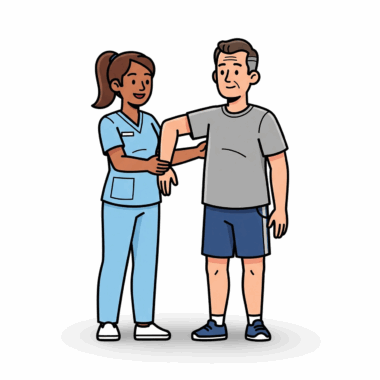
During your journey of rehabilitation, seeking professional assistance can prove invaluable. Professionals, such as physical therapists or certified trainers, can provide tailored programs that cater to your specific needs. They can assess your condition and recommend suitable exercises that prioritize safety. They also offer modifications to challenge you without risking injury. Utilizing these resources can help you build strength and improve your rehabilitation more effectively than attempting to do it alone. Mistakes can occur without proper guidance, leading to unwanted setbacks in recovery. Furthermore, educational resources, including websites and forums, are available to support your journey. They can offer insights and testimonials from others with similar injuries. Engaging in community discussions may motivate you and help you learn from others’ experiences. As you work closely with professionals, you’ll likely build a positive support network, enhancing your overall experience. Progress monitoring is vital; regularly check in with your professionals to adjust your program as needed. Don’t hesitate to ask questions or voice your concerns; open communication is crucial for effective rehabilitation.
Finally, track your progress through core training exercises diligently. Keeping a journal can help monitor your achievements and setbacks throughout your recovery. Documenting your exercises, repetitions, and how you felt after each session can provide insights into your progress. This practice allows you to recognize patterns in your strength development and naturally indicates when it’s time to challenge yourself further. Having a visual representation of your journey can drive motivation. Consider setting realistic goals to strive for throughout the recovery process. Short-term milestones encourage continual engagement and progression. Emphasize the importance of enjoyment in your exercises; choose movements that make you feel good and supported. Furthermore, invite friends or family to join you for workouts, as social support can enhance your adherence to a routine. Recovery is not solely about physical improvement; the mental aspect is significant as well. Celebrate small victories throughout your journey as every step counts. Keep your focus on long-term resilience, and remember this process may take time. This commitment to rehabilitation will contribute to overall health, enhancing both physical performance and quality of life.
Wrapping Up Your Core Rehabilitation
In conclusion, integrating core exercises into your rehabilitation program is essential for recovery. Remember to prioritize gradual progress while remaining patient with your body. Focus on movements that support core strength without overexerting yourself. Proper breathing techniques and rest intervals greatly enhance your training effectiveness. Seek support from professionals to tailor your strategy and ensure you’re following the best course for your unique circumstances. By incorporating these strategies, you can work towards not just recovering from an injury but developing a robust core for the future. Regularly tracking your progress will allow you to see improvements that may sometimes feel minimal. Consider sharing your experience with others; it can be incredibly motivating to witness your accomplishments and inspire those facing similar challenges. Embrace the journey as a learning experience, allowing it to shape your approach towards fitness moving forward. As you regain your strength, continue challenging yourself while respecting your boundaries. Your core muscles are vital for overall stability and strength; nurturing them effectively aids in building resilience. Remain committed to your training, and celebrate your recovery as an achievement integral to a healthier, more active lifestyle.