
Training Drills to Boost Your Inline Skating Tricks Performance Outdoors
Inline skating tricks often require a blend of strength, balance, and coordination. To improve your skill set, you should dive into training drills that focus on enhancing these core abilities. Consider incorporating exercises that mimic trick movements, such as jumps and spins. Use flat, safe surfaces as your training ground, ensuring that you can practice without interruptions. Gradually introduce obstacles like cones or rails to simulate real-world skate environments. This allows you to become comfortable with performing tricks while navigating various terrains. Moreover, understanding how to fall can help prepare you mentally for the challenges ahead. Reflection on your previous attempts can enhance your future performance. Videotaping your sessions can give you insights into areas that need improvement. Focus on building your muscle endurance through repeated practice. Train regularly but allow time for adequate rest to avoid injuries. Proper warming up and cooling down routines are critical. Stay hydrated and fueled for better performance during your training drills. Inline skating tricks can greatly benefit from consistent effort and attention to detail. Embrace each training session as an opportunity to grow your skills in this dynamic sport.
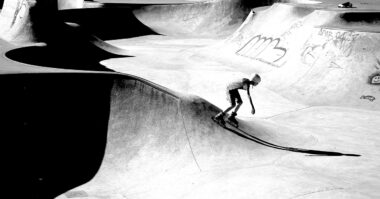
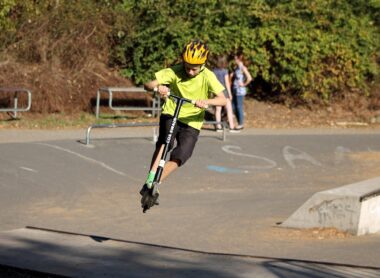
Progression in inline skating involves mastering foundational skills before attempting more advanced tricks. Basic skills include comfortable skating, turning, and stopping efficiently. These elements form the backbone of complex tricks. Start your training sessions with warm-ups that emphasize core strength and flexibility. You might consider dynamic stretches that target key muscle groups utilized in skating. Gradual progression is also key; once you feel confident with the basics, move onto jumps like the Ollie. Consider practicing Ollies with variations like the 180 spin, which helps build confidence. Street skating often presents unique challenges due to its diverse surfaces and obstacles. Practicing gradient ramps or steps allows you to acclimate to different environments. Incorporating grinds into your training, such as boardslides or a simple Smith grind, will boost your versatility. Don’t forget to include drills for foot placement and balance, as these are crucial for success in street skating. Practicing tricks in controlled environments first helps you gain confidence. Remember, learning from your failures is a huge part of success in skating. Take the time to analyze what went wrong and adjust your technique accordingly to improve.
The Importance of Consistency in Training
Consistency is vital for cultivating skating skills over time. By training regularly, you can build muscle memory that will facilitate trick execution. Set a weekly schedule that allows you to practice at least a few times, maintaining a balance between skill drills and fun times skating with friends. This prevents burnout and keeps the mood light and enjoyable, encouraging longer-term dedication to improvement. Mix your sessions between practicing new tricks and revisiting older ones. This helps retain your foundational skills while progressing further. Each session should also include a specific focus. For example, designate a day solely for practicing jumps and spins. Alternatively, dedicate another session to grinds. Combining varying styles maintains your interest and improves adaptability. Set measurable goals for each session, whether it is landing a specific trick or increasing the number of repetitions. Utilize a checklist to track progress, and celebrate small victories for motivation. Additionally, consider working with a coach or experienced skater for personalized feedback and guidance. Participation in local skating groups fosters a sense of community and accountability. Engage in friendly competitions to push your limits and stay motivated.
Off-ice training can also contribute significantly to your inline skating performance. Focusing on overall physical fitness is essential. Engage in exercises such as plyometrics and core workouts to enhance strength and stability. This can include activities like squats, lunges, and jumping drills that specifically target the lower body. Strength training builds the muscle required for various tricks, leading to more explosive movements during inline skating. Cardiovascular fitness is equally important; consider running, cycling, or swimming as part of your regimen. Excellent cardiovascular stamina will enable you to skate longer without fatigue, improving both endurance and performance during tricks. Balance and agility training is specifically beneficial for inline skaters. Incorporate exercises on balance boards or stability balls, and work on footwork drills tailored for agility enhancement. Additionally, consider yoga or Pilates to improve flexibility, which plays a key role in trick execution and injury prevention. Always ensure you’re in tune with your body. Listen for signs of fatigue or strain. Allow for proper recovery and rest periods. Adequate rest is just as important as training in achieving your inline skating goals.
Fostering a Positive Mental Attitude
Inline skating requires not just physical training, but also a strong mental framework. A positive mental attitude fuels perseverance and resilience during tough practice sessions. Establishing a healthy mindset can drastically improve your skill development while reducing the likelihood of frustration and fear. Visualization is a common technique used by athletes to enhance performance; imagine yourself landing a trick successfully before attempting it. This mental rehearsal boosts your confidence and prepares your mind for the physical act. Similarly, set realistic short-term and long-term goals for your skating. Break larger goals into smaller, achievable steps. This method allows you to celebrate numerous wins on your journey, keeping your motivation alive. Embrace challenges rather than viewing them negatively; every stumble provides useful learning opportunities. Surrounding yourself with positive influences—friends who encourage your progress and fellow skaters who share your passion—can greatly enhance your experience. Remember, all professional skaters started as beginners. Celebrate the small achievements, and don’t forget that progression differs for each person. Your personal journey in inline skating should prioritize enjoyment and the thrill of mastering new tricks.
Incorporating creativity into your inline skating practice can make training more enjoyable. Experiment with freestyle tricks and combine various elements of skating to evolve your personal style. Integrating these creative expressions can yield innovative tricks that stand head and shoulders above standard moves. Use environmental surroundings, such as steps, rails, and ledges, to create unique combinations. Instead of strictly adhering to typical drill formats, try skating to music or competing in tricks with friends. Establishing a fun atmosphere encourages playful experimentation, which is integral to personal development. Don’t shy away from the chance to perform in front of peers; outside perspectives can ignite inspiration and lead to improvement. Professional skaters often analyze each other’s styles to innovate upon them. Additionally, documenting sessions and sharing your progress online can motivate you to maintain consistency in practice. Utilize social media platforms to engage with other skaters and learn from their techniques. Always ensure you are having fun throughout your training; once it feels like a chore, motivation may dwindle. Harness your creativity to push boundaries and explore new aspects of inline skating.
Conclusion
In conclusion, the journey to mastering inline skating tricks requires a blend of technique, creativity, and mental fortitude. Embrace the significance of consistency and regular practice to refine your skills. Utilize varied drills to enhance your foundational abilities while maintaining a joyful approach to the sport. Include off-skating exercises to build your overall fitness. Fostering a positive mental attitude will help you overcome temporary setbacks. Remember the value of creativity; explore every opportunity to expand your skills and innovate. Setting realistic and specific goals will offer a clear path towards achieving mastery in trick execution. Ensure that you have a supportive community around you to uplift your skating journey. Ultimately, inline skating is about expressing yourself through movement, hitting new heights with tricks, and fostering friendships along the way. Regularly document your progress and share your journey with others in the inline skating community. Continue to strive for personal growth while having fun, and remember that skateboarding culture thrives on creativity and individuality. Your persistence will yield results in due time, so never hesitate to push your limits and embrace the thrill of inline skating.
Each training session can yield fresh perspectives and lessons; always keep your mind open to improvement. Whether you are on smooth asphalt or navigating the challenges of a rough terrain, each glide matters in your journey as an inline skater. Keep moving forward, keeping the essence of fun alive while overcoming those familiar hurdles, and enjoy the journey ahead. So gear up, hit those streets, and keep refining your tricks as you experience a wonderful world through the wheels of inline skating.