
Using Pilates for Core Strength and Injury Prevention
Pilates has gained popularity as an effective method for improving core strength and preventing injuries. The core consists of muscles in the abdomen, lower back, and pelvis that stabilize the body during movement. Strong core muscles facilitate better posture and reduce the risk of injury. Pilates exercises engage and strengthen these muscles through controlled movements and proper alignment. This approach promotes an awareness of body mechanics, encouraging individuals to move effectively during daily activities, thereby preventing strain or injury. The emphasis on breath control further enhances movement efficiency, contributing to overall strength. Moreover, Pilates focuses on flexibility alongside strength, which is crucial for injury prevention. Tight muscles can lead to imbalances that cause injuries, making it essential to include stretching in any core training regimen. If you are new to Pilates, starting with a certified instructor is recommended to ensure correct form and technique, minimizing the risk of injury. Overall, integrating Pilates into your fitness routine may significantly increase core strength and assist in maintaining a healthy and injury-free body.
Benefits of Pilates for Core Strength
Incorporating Pilates into your fitness routine has numerous benefits that extend beyond mere core strength. One of the key advantages of Pilates is its comprehensive approach to muscle engagement. Unlike traditional exercises that may isolate specific muscles, Pilates promotes the activation of multiple muscle groups through dynamic movement sequences. This holistic engagement ensures balanced development and prevents muscular imbalances that can lead to injuries. Additionally, Pilates emphasizes the importance of proper posture and alignment, which are vital for maintaining core stability. By focusing on maintaining a neutral spine and aligning the pelvis, Pilates helps strengthen the inner core muscles responsible for proper support during varied activities. Breathing techniques utilized in Pilates also play a significant role in enhancing core strength. Controlled breathing, synchronized with movements, aids in deepening the engagement of core muscles, allowing for greater strength and stability. Furthermore, Pilates addresses flexibility and mobility, both essential components of injury prevention. Regular practice can enhance overall range of motion, thereby minimizing the risk of strains and sprains during athletic endeavors or daily tasks.
Injury Prevention Strategies
Utilizing Pilates as part of a comprehensive injury prevention strategy can yield significant results for individuals at all activity levels. First, understanding your body’s limitations is essential. Pilates practitioners learn body awareness, enabling them to recognize improper movements or potential problem areas. This self-awareness allows individuals to modify exercises or prevent overexertion, reducing the likelihood of injury. Additionally, targeted strengthening of core muscles through Pilates exercises creates a strong foundation. This foundational strength supports the spine and absorbs shock during physical activities, protecting against lower back injuries. Incorporating balance and coordination exercises, often integrated into Pilates routines, can also help enhance overall stability. Improved balance reduces the risk of falls, particularly in older adults. Pilates movements often incorporate rotational and lateral challenges that mimic real-world activities, training muscles for dynamic stability needed in sports and daily life. Furthermore, frequent practice can build resilience in the muscles and connective tissues, allowing them to adapt to increased demands placed on them. In summary, the principles of Pilates provide a framework for developing a safer, stronger body by focusing on strength, flexibility, and awareness.
Pilates Exercises for Core Engagement
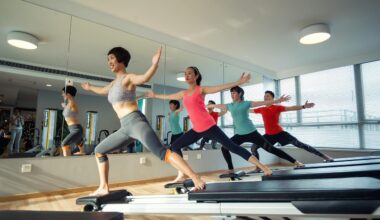
To effectively engage the core muscles and harness the benefits of Pilates, certain exercises are particularly beneficial. One foundational exercise is the “Hundred.” This exercise targets the abdominal muscles while promoting proper breathing and blood circulation. Begin by lying on your back with legs raised to a tabletop position. As you pulse your arms up and down, maintain core engagement and breathe rhythmically. Another effective exercise is the “Roll Up,” which strengthens the abdominals while improving spinal flexibility. Start by lying flat, then curl your chin toward your chest and roll up gradually, reaching for your toes. Additionally, the “Single Leg Stretch” helps build coordination and stability while targeting the core. Lying on your back with one knee drawn in, switch legs while pulling the opposite knee towards your chest. Lastly, combining these moves with the “Plank” position enhances endurance in the core. A plank requires maintaining a strong, straight body alignment for an extended period. By consistently practicing these exercises, individuals can develop a resilient core that supports overall fitness and injury prevention.
Creating a Balanced Routine
In order to maximize the benefits of Pilates for core strength and injury prevention, it is essential to develop a balanced routine. A well-structured Pilates program should encompass a variety of exercises that target not only the core muscles but also the surrounding areas. Incorporating flexibility training alongside strength-building moves can significantly enhance overall physical aptitude. Exercises that stretch the hip flexors, hamstrings, and spine are vital, as tightness in these areas can lead to compensatory movements and potential injuries. Additionally, aiming for a holistic approach that includes cardiovascular training can further support overall fitness. Including activities such as brisk walking or swimming enhances cardiovascular endurance, which complements the strength gained from Pilates. It is also important to consider recovery time; allowing muscles to rest is critical for growth and injury prevention. Focus on active recovery days, where gentle movements or restorative yoga can aid in healing while keeping muscles engaged. Ultimately, listening to your body and adjusting intensity based on how you feel is vital for a sustainable practice, ensuring long-term success in core strengthening and injury prevention.
Conclusion: Consistency is Key
Finally, achieving core strength and preventing injuries requires consistency and dedication to your practice. Pilates is not a quick fix; instead, it is a long-term investment in your physical health. Participants often notice improvements over time as their body adapts to new movements and challenges. Setting realistic goals can help maintain motivation throughout the process. Tracking progress, whether through personal bests in exercises or simply greater ease in daily movements, can keep you accountable. Moreover, joining a community or finding a workout partner can enhance your experience, making practice more enjoyable and providing support. Many Pilates studios also offer workshops or classes that focus on specific aspects such as core strength or injury prevention, allowing individuals to deepen their understanding. It’s essential to respect your body’s limits while progressively increasing the challenge of your workouts. As you become more comfortable with the movements, you can gradually introduce more complex variations, maintaining interest and engagement in your routine. Ultimately, embracing a consistent Pilates practice lays the groundwork for a strong, resilient core and a healthier, injury-free lifestyle.
Pilates and its Role in Rehabilitation
Pilates has established itself not only as a fitness regime but also as a valuable tool for rehabilitation following an injury. Its principles of alignment, breathing, and control can be particularly beneficial in recovery protocols. Many physical therapists incorporate Pilates exercises into rehabilitation programs to help patients regain strength and flexibility while ensuring a safe return to previous activities. One of the key benefits of Pilates in rehabilitation is the focus on low-impact movements that minimize strain on recovering tissues. Gradually introducing core exercises helps rebuild strength without risking further injury. Utilizing modified versions of traditional Pilates exercises enables patients to work within their range of motion, promoting healing as they rebuild their fitness levels. Additionally, the emphasis on control and precise movement patterns aids in re-establishing neuromuscular connections that may have been compromised during an injury. Collaboration with a certified Pilates instructor experienced in rehabilitation can lead to tailored programs that address individual needs like postural alignment and functional strength. By integrating Pilates into rehabilitation, individuals can achieve long-term outcomes in strength, stability, and injury prevention.
Final Thoughts on Core Training
In summary, the practice of Pilates offers numerous benefits for enhancing core strength and preventing injuries. By engaging the core effectively, individuals can enjoy a stronger, more resilient body that carries into various activities, whether athletic or daily tasks. The mindful approach of Pilates encourages not just physical engagement but also mental focus, fostering a deeper connection between movement and awareness. It’s important to approach Pilates as a lifelong practice rather than a fleeting trend. Regular sessions will allow for continuous improvement, adaptation, and growth in your physical capabilities. Remember that consistency is crucial; integrating Pilates at least a few times a week can help solidify these benefits. Additionally, understanding the principles of Pilates and applying them to other fitness routines can enhance overall body mechanics. Practitioners should remain open to learning, allowing them to expand their knowledge and improve their practice further. Finally, focusing on injury prevention and core stability through Pilates can have lasting effects on an individual’s overall quality of life. Ultimately, investing in Pilates yields a wealth of advantages that will be appreciated throughout the years.