
How to Avoid Common Injuries When Training in a Home Gym
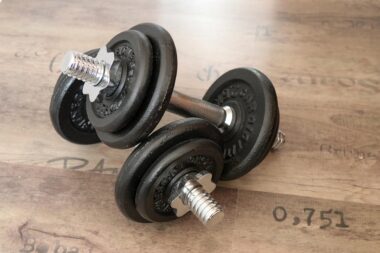
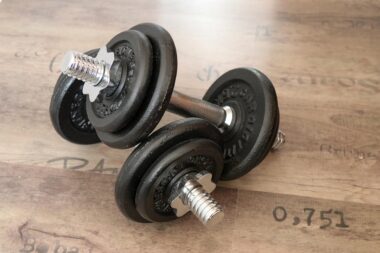
Training in a home gym can be both convenient and effective for achieving bodybuilding goals. However, it also comes with its own set of risks, particularly concerning injuries. Familiarizing oneself with proper techniques is critical to minimize such risks. One effective method is to dedicate time to learn proper lifting techniques; this not only boosts performance but also safeguards against potential injuries. Start with lighter weights to master form before increasing the load. Additionally, having proper equipment is crucial. Ensure that your gear, from dumbbells to benches, adheres to good safety standards. Diving in without ensuring equipment safety can lead to accidents. Maintain a clutter-free gym area to prevent trips and falls. Prior planning of your workout courses through incorporating warm-up and cooldown sessions is vital too. These elements enhance performance and help to avoid strains or tears. Always listen to your body, recognizing when something doesn’t feel right. If fatigue sets in, take a break. Push through too many sessions without adequate rest can lead to injuries that may severely hinder your training progress. Stay safe by being aware and informed.
Warm-ups and Their Importance
Prioritizing warm-up sessions can significantly reduce the risk of injuries during your home workouts. A proper warm-up increases blood flow, preparing your muscles for more strenuous activities. Integrating dynamic stretches like arm circles, leg swings, or torso twists into your routine promotes joint mobility. Warm-ups should last between 10 to 15 minutes, ensuring a gradual increase in heart rate. They not only prepare the muscles but also enhance mental focus, improving overall workout performance. Devote time to specific muscle groups you aim to train, targeting them effectively during the workout. However, don’t neglect cooldowns; they serve an essential purpose too. Stretching post-exercise helps reduce muscle stiffness and improve flexibility, essential for bodybuilding success. When creating your workout schedule, make sure you include both warm-ups and cooldowns to ensure your muscle health. Neglecting these aspects can lead to severe injuries or prolonged recovery times. The body benefits greatly from a balanced approach to temperature regulation and muscle elasticity. Furthermore, including rest days in your weekly schedule allows for proper muscle recovery and adaptation to growth, minimizing risk of overexertion. Ultimately, a consistent warm-up habit protects your longevity in bodybuilding.
Another crucial factor in minimizing injuries is using appropriate weight and understanding your limits. It can be tempting to lift heavier weights than you can safely handle, especially in a home gym setting. However, lifting weights beyond your capabilities can result in severe injuries. Stick to weights that allow you to maintain proper form throughout the entire range of motion. As a general rule, the last few reps should feel challenging without compromising your technique. Gradually increase weights as your strength improves to avoid sudden strain or injury. Don’t skip rest days; they are as vital as active workout days for muscle recovery. Overtraining without enough rest can lead to muscle fatigue, impacting form and increasing the chance of injury. Tracking your workout progress through apps or journals can provide adequate insights into how much weight you should lift. Listen to your body, and if you feel pain – not just discomfort – it’s crucial to stop and assess the situation. Competitive feelings may arise when working out at home, but your safety should always take precedence. Patience is essential, and understanding it leads to sustainable bodybuilding practices.
The Role of Proper Nutrition
Nutrition plays an essential role in injury prevention, especially for home gym enthusiasts. A balanced diet provides the necessary nutrients that support muscle repair and recovery. For aspiring bodybuilders, incorporating proteins, healthy fats, and carbohydrates is indispensable. Proteins enhance muscle repair and should be consumed in adequate amounts to support intense training sessions. Aim for lean meats, legumes, and dairy products for optimal muscle nourishment. Healthy fats, found in nuts, seeds, and avocados, contribute to overall joint health, reducing inflammation after workouts. Carbohydrates provide energy, essential for completing intense workouts, so opt for whole grains and fibrous fruits and vegetables. Hydration is often overlooked but equally important. Proper fluid intake supports muscle function and prevents cramping or fatigue, which may lead to mishaps. Establish a hydration plan tailored to your workout intensity and duration. Additionally, certain supplements can assist, but consulting a healthcare professional before taking any is advisable. Ingesting supplements can help you meet nutrient requirements; however, whole food remains the best choice. Prioritizing a well-rounded diet and adhering to hydration guidelines can significantly minimize the risk of injuries while maximizing performance.
Using the correct form during exercises is fundamental in avoiding injuries, especially during strength training. Many individuals, particularly beginners, might not fully understand the mechanics of various exercises. Taking the time to learn and practice correct techniques can yield significant benefits. Consider watching expert videos or seeking personal training guidance to grasp proper movements. Additionally, utilizing mirrors in your home gym allows you to check your form while exercising. This self-correction habit is vital for ensuring that you avoid straining muscles while exercising. Positioning your body correctly is critical in maintaining balance and controlling weights effectively. Each exercise has specifics that require optimal posture to provide the intended benefits. If any discomfort arises during an exercise, stop immediately and re-evaluate your form. Injuries often stem from improper alignment or excessive load rather than the exercises themselves. Moreover, enlisting a workout buddy can be beneficial. Having someone nearby can provide motivation and an extra set of eyes on your form. Ensure to incorporate these practices, as they help maintain health and prevent disarray while building strength and muscle effectively in your home workout routine.
Listening to Your Body
The importance of listening to your body cannot be overstated in a home gym environment. Many fitness enthusiasts often push through workouts even when feeling pain, which can lead to serious injuries. Understanding the difference between discomfort and pain is vital; discomfort indicates exertion, but pain could signify an active injury. When a workout feels too heavy or leads to sharp sensations, consider it a warning sign. Taking a break when your body signals fatigue is crucial rather than pushing through. Implementing regular self-assessments of your energy levels throughout workouts can make a noticeable difference in injury prevention. Engaging in practices like yoga can help enhance body awareness, supporting fitness enthusiasts in identifying potential issues before they escalate. Adequate rest is a key component of any exercise routine; muscles require time to recover and grow stronger. Listen to your body’s signals; allow necessary adjustments to your training regimen when needed. Balancing intensity while ensuring your body can tolerate it will gradually enhance your overall performance. This mindfulness approach can lead to a more sustainable, long-term commitment to bodybuilding endeavors.
A well-organized and systematic home gym setup contributes significantly to injury prevention. A clutter-free environment ensures that there are no hazards that could lead to accidental slips or falls while working out. Consider dedicating an area for each piece of equipment to streamline the workout process. Clear pathways between different stations within your gym can make transitions smooth and safe during sessions. Utilize appropriate mats under heavy equipment to absorb shock and provide stability while exercising. Additionally, ensuring all equipment is in good repair is paramount. Regularly inspect weights, benches, and other gear to prevent malfunctions during workouts. Investing in high-quality equipment helps guarantee safety and enhances your overall workout experience. Create a schedule that includes regular maintenance checks and cleaning routines to keep your setup in optimal condition. Furthermore, consider implementing adjustable features in your gym, such as adjustable benches and stands, allowing for various exercise types. Consistency in maintaining an organized gym space not only promotes safety but also motivates effective workouts. Setting fitness goals alongside a safe setting creates a seamless training environment, ultimately fostering longevity and a healthier lifestyle in bodybuilding.
In conclusion, ensuring safety while training at home hinges upon several key factors, each contributing to injury prevention. Understanding proper techniques, warming up effectively, and using correct form adds a layer of safety to routines. Choosing appropriate weights while listening to your body ensures the body does not endure strain beyond limits, keeping injuries at bay. Moreover, a balanced diet aids muscle repair and preparation for rigorous trainings, ultimately enhancing performance while minimizing risks. Evaluate your workout structure, including rest days, allowing muscles to recover and grow effectively. Investing effort into organizing your home gym creates a safe environment, and always prioritizing safety will yield long-lasting benefits for your training journey. As bodybuilding goals evolve, with adherence to safety measures, related injuries will become less frequent. Strengthening your body while carefully considering these factors creates a more successful and fulfilling home gym experience. With diligence and mindfulness, you can both build muscle and prevent the all-too-common injuries that accompany challenging workouts. Ultimately, a sustainable approach ensures you remain dedicated to bodybuilding over time. Embrace safety guidelines and thrive in your home gym adventures as you sculpt the body you’ve envisioned.