
How to Use Tai Chi Movements for Balance at Home
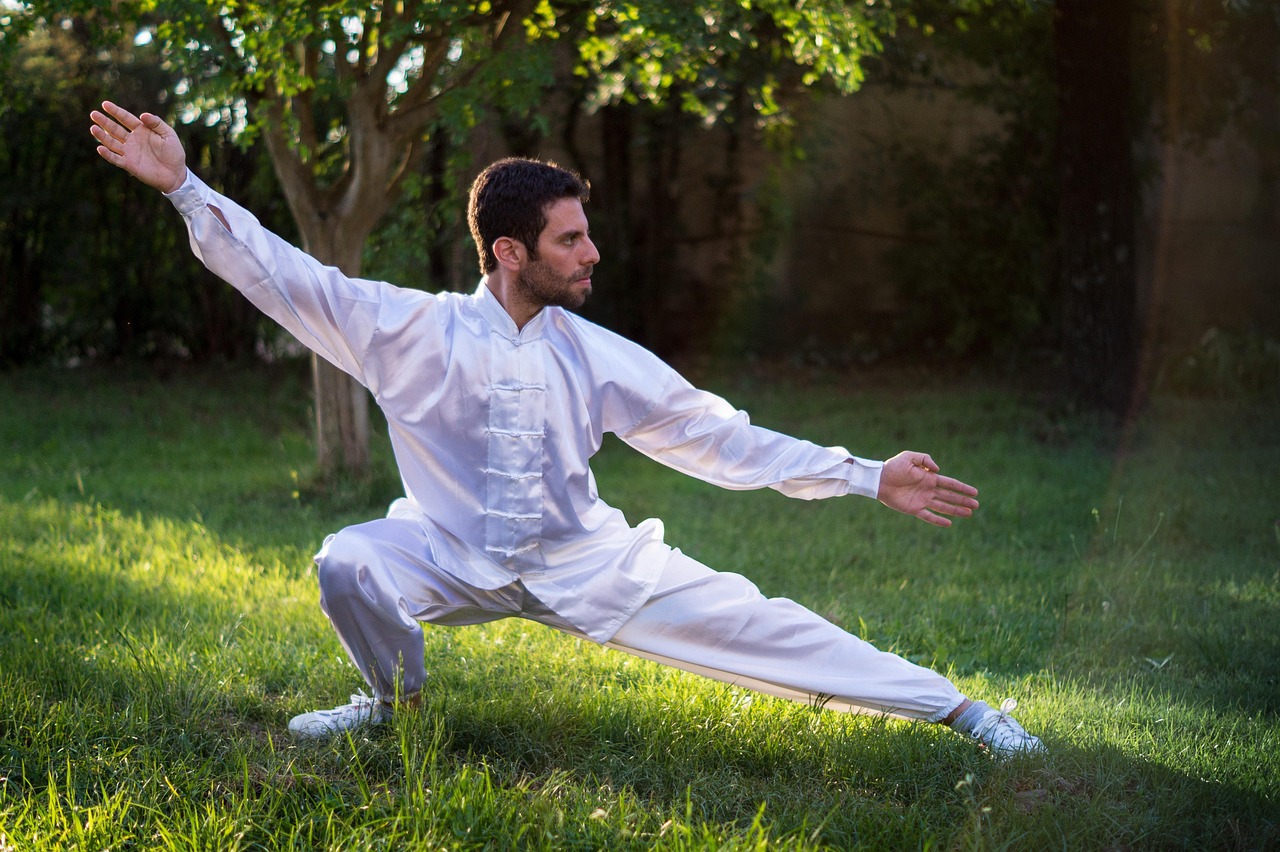
Tai Chi is an ancient martial art that emphasizes slow, deliberate movements, which are instrumental for improving balance. Practicing Tai Chi movements can significantly enhance your stability, which is crucial for both daily activities and athletic performance. To begin, find a quiet space in your home where you won’t be disturbed. Make sure the floor is clear and safe. To reap the benefits of Tai Chi, start with three key positions: standing, shifting weight from one foot to the other, and transitioning between movements smoothly. Each movement should be performed mindfully, focusing on your body and breath. You can follow online tutorials to aid your practice, as many are available for free. Having a guide can help ensure your movements are accurate and that you’re using proper techniques. Consistency is key; practice regularly to enhance your flexibility and strength. Remember to wear comfortable clothing and be patient with yourself. Progress takes time, and the journey of mastering these movements can be rewarding. Tai Chi can also promote awareness, helping you connect better with your body.
To make the most of Tai Chi for balance, incorporate a variety of movements into your routine. Start with the “Commencing Form,” a foundational move that sets the tone for practice. Other movements, such as “Wave Hands Like Clouds” and “Single Whip,” require a coordinated shift in weight, promoting stability. Each posture enhances different aspects of balance, from strength to flexibility. Aim for at least thirty minutes of practice several times a week. Consistency will yield better results over time. Engage your core during your sequences, as this strengthens your center of gravity. As you become more confident, consider practicing alongside a partner. This not only makes the experience enjoyable but challenges your balance further. Having someone with you can also motivate you. Additionally, you might want to record your practice sessions to observe your progress. Over time, you’ll notice improvements in your stability and mobility. Make sure to stay hydrated and take breaks when needed. Tai Chi combines mindfulness and movement, making it a gentle yet effective way to enhance your balance.
The Health Benefits of Practicing Tai Chi
Practicing Tai Chi regularly can lead to numerous health benefits that go beyond just improved balance. Research indicates that Tai Chi can enhance overall body awareness and coordination. Elements like controlled breathing and slow movements are essential components that can alleviate stress and anxiety. The gentle nature of these exercises makes it suitable for individuals of all ages and fitness levels. Tai Chi not only fortifies muscle strength but also promotes improved flexibility and reduced stiffness in joints. This art can be especially beneficial for the elderly, helping prevent falls and maintaining independence. Moreover, the mental discipline practiced during sessions enhances focus and mental clarity. Regular practitioners have reported better sleep quality and increased feelings of wellbeing. Heart rate and blood pressure may also benefit from consistent Tai Chi sessions. In addition, these practices are often accompanied by meditative aspects that can enrich emotional health. If you’re looking for an invigorating yet calming workout, Tai Chi can be the perfect choice for achieving balance in your life.
As you incorporate Tai Chi movements into your daily life, consider setting specific goals to track your progress. This could range from mastering a particular posture to increasing your practice duration. Setting incremental milestones keeps you motivated. You might also explore joining a local class or community. Group activities can enhance your commitment and provide opportunities for social connections. Sharing experiences with fellow practitioners can foster dialogue and insights about techniques. For those unable or unwilling to attend classes, online videos serve as an excellent resource. Numerous certified instructors offer free or affordable lessons on platforms like YouTube. Be sure to select reputable channels that emphasize proper form and safety. If personal space is limited, practicing in a hallway or even a backyard can work wonders. Find opportunities to practice when you can, whether that’s during commercial breaks or in the morning sun. Consider following up your Tai Chi sessions with some light stretching or yoga to maximize benefits. The combination of Tai Chi with other flexibility-enhancing exercises can lead to a well-rounded fitness regimen.
Maintaining Focus Throughout Your Practice
While practicing Tai Chi, maintaining focus is crucial for achieving optimal results. In addition to physical components, the mental discipline gained during Tai Chi workouts can enhance your concentration and mindfulness. To maintain focus, begin each session by establishing an intention or goal for your practice. This could be something simple, like improving your posture or deepening your breathing. Use visualization techniques to embed the movements in your mind. Picture yourself performing each motion with grace and fluidity. During practice, whenever distractions arise, gently bring your attention back to your breath. Keeping a steady awareness on your breathing cycles helps keep a rhythm to your practice. Reducing mental chatter improves body awareness, enhancing your performance. Allow your mind to witness the present without judgment, fostering a feeling of serenity and presence. Adding calming music or sounds can also aid in maintaining concentration. Choose instrumental tracks where the rhythm matches your practice flow. Remember that moments of distraction are normal; embrace them as part of your journey. Your intention should lead each movement, allowing the body and mind to become harmoniously aligned.
After completing a Tai Chi practice, consider concluding each session with some gentle stretches. Transitioning back to your natural activities smoothly is vital. This winding down helps the body gradually return to a resting state. Focus on stretches that complement the movements you’ve practiced, targeting your arms, legs, and hips. Feel free to hold each stretch for about 15-30 seconds, allowing your muscles to relax and release any tension. Practicing deep, controlled breathing during these stretches enhances relaxation, which epitomizes the principles of Tai Chi. You may also want to keep a journal documenting your daily practice. Reflecting on your progress fosters awareness, while writing down any challenges encourages problem-solving. Look for correlations between your emotional state and practice outcomes. Furthermore, don’t overlook the importance of post-practice hydration. Staying hydrated is important for muscle recovery and overall performance. Allow yourself ample time to rest, absorb the benefits, and prepare for the next session. With patience and practice, experience the profound benefits Tai Chi can bring into your life, systematically improving both your balance and well-being.
Final Thoughts on Tai Chi for Balance
Integrating Tai Chi into your home workout routine can yield long-lasting benefits for balance and overall health. The slow, fluid movements make it accessible and effective, regardless of prior fitness experience. Incorporate it thoughtfully into your week, aiming for a combination of stability exercises alongside Tai Chi movements. Consistency and mindfulness throughout your experience will significantly enhance your ability to balance. Explore community workshops or virtual classes to deepen your understanding. The support from peers can boost motivation and facilitate learning. Monitor your progress closely and allow yourself grace during challenging movements. Your journey with Tai Chi is uniquely yours, and each session contributes to building a more balanced body and mind. Remember that the benefits extend beyond physical improvements; mental clarity and emotional well-being can bloom through dedicated practice. As you enjoy this art form, foster a lifestyle that celebrates movement, mindfulness, and balance. Embrace each moment you dedicate to Tai Chi as a step towards cultivating inner peace and physical stability. In conclusion, Tai Chi is a powerful tool you can use to enhance your life.
Your experience with Tai Chi will flourish as you dedicate time and focus to each session. Regular practice connects you to the ancient art form, enriching your quality of life. Tai Chi can pave the way for better physical health, emotional resilience, and mental sharpness, all contributing to improved balance.