
Top Plant-Based Protein Sources for Vegan Athletes
For vegan athletes, sourcing adequate protein is crucial to maintain muscle mass and meet fitness goals. Plant-based diets can provide abundant protein while offering advantages like lower cholesterol levels and increased fiber intake. One of the best sources of protein is lentils, which are versatile, inexpensive, and packed with nutrients. A cup of cooked lentils contains about 18 grams of protein. Additionally, chickpeas are another fantastic option with their roughly 15 grams per cup. Vegetarians often enjoy these as hummus or blended into salads. Quinoa is a complete protein, containing all nine essential amino acids, making it a must-have for athletes. Furthermore, edamame, young green soybeans, provide 17 grams of protein per cup and are perfect as a snack or in stir-fries. With sufficient planning, vegans can easily fulfill their protein requirements through a variety of sources. It’s essential, however, to combine different proteins to reach amino acid diversity, thus supporting overall athletic performance. Incorporating these foods into meals ensures good nutrient absorption without missing vital proteins, potentially benefiting recovery and building strength effectively.
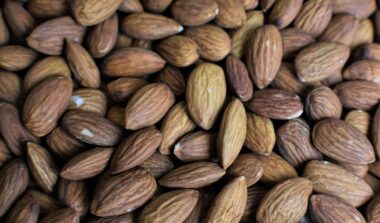
A common misconception among athletes is that getting enough protein is hard on a vegan diet. However, there are many sources available that help meet daily requirements effectively. Tofu is a staple for countless plant-based diets, containing around 20 grams of protein per cup, making it an excellent choice for muscle recovery and growth. Tempeh, a fermented soy product, is also rich in protein, providing approximately 31 grams per cup, thus becoming an ideal meat substitute. Additionally, nuts and seeds make for nutritious snacks that also pack a serious protein punch. For example, pumpkin seeds offer about 9 grams per ounce, while almonds provide 6 grams per ounce. Further options include chia and flaxseeds, which deliver essential omega-3 fatty acids along with decent protein. Incorporating these items into a daily diet means greater variety and enjoyment. Smoothies can be fortified with protein powder derived from peas or brown rice, boosting protein intake without additional bulk. Vegan athletes should also be aware of their body’s needs, ensuring their protein sources match timing and quantity aligned with their workout routines, enhancing recovery and performance due to improved nutrient profiles.
Consuming protein at regular intervals is essential for all athletes, especially for those on vegan diets. Studies show that consuming protein-rich meals at certain times can optimize muscle recovery post-exercise effectively. Beyond traditional sources like legumes or grains, vegan athletes can also explore plant-based protein supplements. These supplements are easily digestible and can be conveniently added to shakes or oatmeal, offering a quick and gentle protein source aiding recovery times. Additionally, nutritional yeast offers unique benefits with its cheesy flavor, while providing 8 grams of protein per two tablespoons. Spinach, albeit lower in protein than some other foods, can still be an excellent addition due to its versatility and nutrient density. Incorporating protein-rich foods along with a wide variety of fruits and vegetables guarantees that athletes gain essential vitamins and minerals. Therefore, balance is key—a combination of protein powerhouses alongside whole grains and leafy greens fuels an overall adaptable diet, most beneficial for athletic performance. Tracking protein intake through apps can help vegan athletes ensure they consume adequate amounts without having to resort to counting every single food item, alleviating some pressure surrounding dietary requirements.
Power of Whole Grains
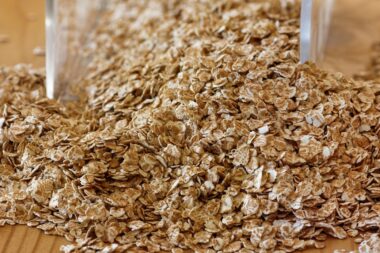
Whole grains deserve a spotlight as they contribute both carbohydrates and proteins vital for performance. Quinoa and bulgur provide significant amino acid profiles while offering other health benefits. Brown rice is another excellent choice, supplying about 5 grams of protein per cooked cup. Elaborating plant-based dishes with grains enhances taste, texture, and nutritional profile. Beyond adding physical volume, they create a satiating meal which is ideal after workouts. Furthermore, whole grain bread serves as a nutritious base for sandwiches, combining with protein-rich spreads like hummus or nut butter for balanced meals. Oats, whether in breakfast bowls or baked goods, also boost protein content significantly. Vegan athletes should prioritize slow-digesting carbohydrates like these, as they provide prolonged energy. This is particularly vital during training phases, where sustained energy directly affects performance. By combining grains with legumes and seeds, a wide range of nutrients will emerge, ensuring comprehensive benefits from plant-based diets. Hence, incorporating a mix of whole grains not only satisfies hunger but also maximizes nutritional intake, ultimately leading to improved results in athletic endeavors.
Another essential consideration for a balanced vegan diet is the timing of protein consumption. Snacking on high-protein foods throughout the day fuels energy reserves effectively, specifically between meals. Incorporating items like protein bars, energy bites, or nut-based snacks can keep vegan athletes engaged and satisfied while they work towards their fitness goals. Furthermore, eating various protein sources allows individuals to experience different flavors and textures, enhancing meal enjoyment. It’s beneficial to experiment with different meal combinations to discover what best supports individual performance. Vegan athletes should also focus on recovery nutrition, which is just as vital as pre-workout fueling. After intense workouts, consuming protein-rich meals or snacks quickly stimulates muscle recovery and replenishes glycogen stores. For vegan athletes, delving into the wonderful world of legumes, grains, seeds, and plant-based proteins ensures a well-rounded diet that encourages sports performance. Studies have shown that meal frequency plays a role in leaning muscle mass, meaning that consistency in nutrition holds significant importance. Therefore, emphasizing thoughtful meals combined with timing can enhance the overall impact of a vegan diet on fitness and performance goals.
Emphasizing Hydration
Athletics isn’t solely about protein; hydration plays a pivotal role too. Vegan athletes particularly need to prioritize hydration due to the often lower water content in certain plant-based foods. Consuming adequate fluids not only supports performance but also aids in greater nutrient absorption. While water remains essential, beverages like coconut water or homemade smoothies can also provide hydration with added nutrients. Opting for non-dairy milk such as almond or oat can enhance smoothies not just in hydration but in protein as well. Furthermore, electrolyte replenishment is crucial during longer workouts or intense training sessions. Vegan athletes should focus on foods like bananas or avocados to replenish lost minerals without consuming animal-derived products. Maintaining electrolyte balance is necessary to prevent cramping or dehydration that can hamper performance. Keeping track of water intake throughout the day, especially during training, helps avoid fatigue and promotes overall well-being. Incorporating various hydration sources, from fruit juices to vegetable broth, can help combat any depleting effects of rigorous workouts aimed at optimal performance. Ultimately, prioritizing hydration is just as critical as ensuring adequate protein consumption on a plant-based diet.
Finally, one of the important aspects vegan athletes need to be aware of is the balance of macronutrients in their diets. It’s not enough to focus only on protein; carbohydrates and fats are equally essential. Whole food sources should be varied, from legumes and whole grains to fruits, vegetables, nuts, and seeds, ensuring an ample intake of calories necessary for energy demands during workouts. Planning meals around workout times can yield significant improvements in performance. Tracking daily macronutrient ratios can be helpful, enabling athletes to adjust intake based on energy expenditure. Fats, particularly healthy fats like those found in avocados and certain oils, provide energy and help in the absorption of fat-soluble vitamins. This ensures a more comprehensive approach to implementing nutritional goals within a vegan framework. The combination of carbohydrates, proteins, and fats, aligned with an athlete’s unique training regimen and lifestyle, is essential. Achieving these goals on a plant-based diet promotes overall performance, recovery, and health. Ultimately, adopting a balanced and varied vegan diet ensures athletes can meet their potential by supporting both physical and mental demands effectively.
Conclusion: Tracking an athlete’s overall nutrition enables better performance and recovery outcomes. With creativity and variety in meal preparation, vegan athletes can meet their needs while enjoying delightful dishes. Adapting traditional recipes using plant-based ingredients allows for nutrient-dense meals full of flavor and enjoyment. Focusing on ample protein, balanced macronutrients, and hydration enables athletes to excel within their disciplines. With discipline and planning, vegan athletes can flourish and reach their full potential, achieving significant health advantages while impacting dietary habits positively.