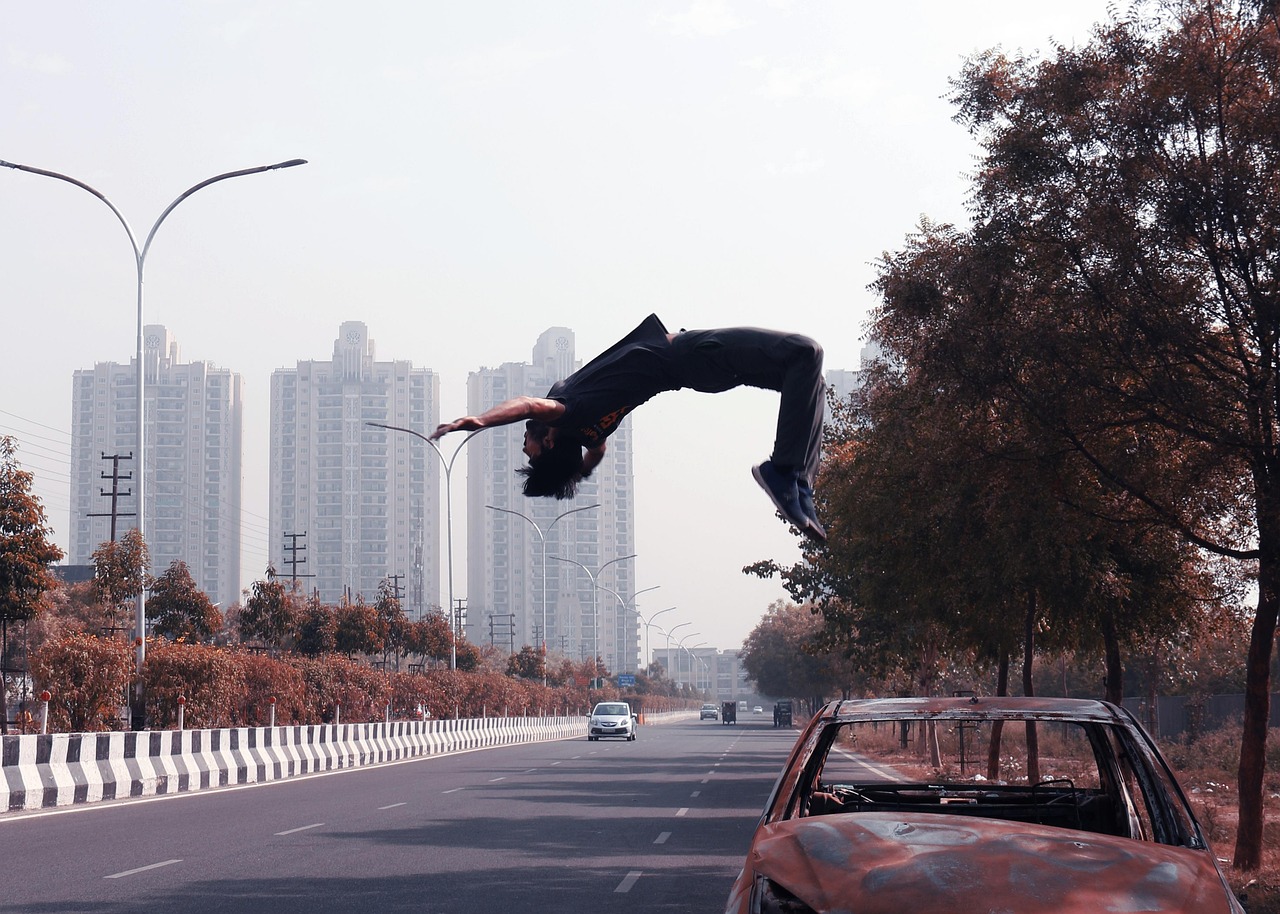

Training for Speed: Quick Transition Techniques in Parkour
In the dynamic world of parkour, mastering quick transition techniques can significantly enhance your speed and efficiency while navigating obstacles. These techniques focus on developing a fluid motion that transitions seamlessly from one movement to another. By prioritizing speed, practitioners can outpace challenges, whether they encounter railings or walls. Key factors to consider when training include body awareness, agility, and timing.
In this context, it is beneficial to integrate various drills targeting these elements. Some effective exercises might involve short sprints combined with precision jumping to overcome set distances. Strengthening your core is also paramount as it aids in maintaining stability during these transitional motions. Moreover, remember to warm up adequately before engaging in rigorous training sessions; this prevents injuries and ensures optimal performance.
Safety gear should be considered, and practicing on softer surfaces can provide a buffer as you learn. Following a gradual progress scheme to introduce new techniques is crucial. Ultimately, the combination of practice, focus, and physical conditioning paves the way for becoming a quick and agile traceur.
As you delve deeper into quick transition techniques, prioritizing specific skills can lead to more effective training sessions. Dynamic movements that encourage speed should be your focus. Exercises like cat leaps and rolls enhance both your agility and confidence. Working extensively on these fundamental skills sets a strong foundation for advanced maneuvers. Furthermore, incorporating drills that blend speed and precision challenges your physical capabilities, ensuring your body adapts to unfriendly terrain quickly. For instance:
- Practice landing techniques that prioritize soft footfalls and stability
- Utilize parallel bars for swinging transitions that enhance upper body strength
- Incorporate cone drills to sharpen your agility
These drills build the muscle memory necessary for seamless movement transitions. Remember, a well-planned training regimen should include both aerobic and anaerobic exercises. As your skills progress, continuous evaluation of your techniques is vital in refining your adaptability in rapidly changing environments. Always pay attention to your body’s signals to avoid overexertion, and adjust your training intensity accordingly.
When approaching speed transitions in parkour, understanding the importance of timing alongside precision is essential. This harmony allows you to navigate distances with minimal hesitance. One practical approach is utilizing video analysis to assess your form. Observing your performance provides insight into areas requiring improvement, such as jump height or landing stability. Additionally, partnering with a fellow practitioner can enhance your learning experience. Together, you can provide constructive feedback and push each other to excel.
A progressive training plan should include a balance between indoor and outdoor practice environments. Outdoor settings often present unpredictable elements that will challenge your adaptability and response times. Furthermore, regularly altering your training location can prepare you for real-world scenarios. It builds the mental resilience necessary for unexpected challenges during runs. Thus, always aim for environments that provoke diverse movements while ensuring safety. Emphasizing rhythmic movements during transitions is another effective strategy. Mastering how to synchronize your breathing with your actions heightens your overall performance and promotes effective calmness in high-stress situations, which is crucial in parkour.
Focus on Conditioning and Physical Prep
Physical conditioning transcends mere strength and flexibility; it encompasses an adaptive mindset crucial for parkour success. Engaging in regular cardiovascular activities enhances your overall stamina, allowing you to execute quick transitions with minimal fatigue. A robust cardiovascular base aids in maintaining your speed throughout extended training sessions or runs. Furthermore, including plyometric exercises into your regimen develops explosive power necessary for executing those abrupt movements, enhancing your parkour performance significantly. Examples include box jumps and lateral jumps, both of which promote agility while conditioning the muscles used in parkour transitions.
In tandem with aerobic activities, regular stretching routines are fundamental. They improve your range of motion and reduce the risk of injury. Allocating specific days for recovery through active rest, such as yoga or swimming, promotes muscle healing while reinforcing flexibility. Incorporating foam rolling exercises post-training alleviates muscle tightness and ensures quicker recovery, which is advantageous for consistent practice. Always listen to your body, as adequate recovery is as critical as active training, and consider consulting fitness professionals to tailor a conditioning program suitable for your individual needs.
The psychological aspect of parkour training also cannot be underestimated. Mental preparation and visualization techniques can greatly influence your performance during swift transitions. Picture each movement with accuracy and confidence, imagining a successful completion. Visualization supports muscle memory and can increase your success rates during practice sessions and actual runs.
Moreover, engaging in mindfulness exercises can enhance your focus and decrease anxiety prior to challenging runs. Practicing controlled breathing techniques helps regulate your heart rate and calms nerves. Furthermore, setting realistic goals reinforces motivation and progress tracking. By breaking down your training goals into smaller components, you’ll maintain enthusiasm and see measurable improvement over time.
It’s also beneficial to join parkour communities, either online or locally, as they provide valuable support and encouragement. Surrounding yourself with like-minded individuals fosters a competitive yet friendly atmosphere that pushes you to excel further. Participate in workshops or events that challenge your abilities and invite you to experiment with new techniques. Ultimately, the right mindset amplifies your physical training, transforming challenges into achievements.
Building a Personalized Training Plan
Creating a personalized training plan can streamline your progress in mastering quick transitions in parkour. Analyze your strengths and weaknesses before outlining objectives tailored to your unique capabilities. Consider diary or app logging to record your daily experiences and achievements during training sessions. This process fosters accountability, encouraging consistent effort while illuminating areas needing further attention. Each week, dedicate specific days to focused training techniques; for instance, allocate one day exclusively to practicing flips and another to rail work.
Additionally, scheduling regular assessments can also ensure ongoing progress, allowing you to revisit and adjust goals when needed. Incorporate different workouts to combat monotonous routines; mix calisthenics, plyometric exercises, and endurance training for a holistic approach. As you design your plan, allow flexibility to explore new techniques while sticking to foundational practices. Observe others and seek advice from experienced practitioners as they can offer insights that diversify your training strategy. Ultimately, a personalized plan harmoniously guides you to improve speed and agility while mastering the art of transition in parkour.
Lastly, always celebrate your achievements, whether big or small, throughout your parkour journey. This celebration fosters motivation to continue striving for excellence. Reflecting on your progress reinforces the dedication you’ve committed to becoming a proficient parkour athlete. Progress might feel slow at times, but acknowledging every little victory encourages a positive mindset. Share these milestones with fellow practitioners; they can bring in shared experiences and support. Joining online forums or social media groups can also provide additional rewards since fellow enthusiasts can congratulate and motivate you to push beyond your limits.
Set periodic benchmarks to evaluate your skills against your goals. Highlighting improvements creates a sense of accomplishment. More importantly, stay open to learning and adjusting your training plan based on your evolving skills. As parkour involves continual growth, investing in your skill set pays long-term dividends. Enjoy the journey, and remember that every expert started as a beginner faced with challenges. Consistent practice, learning, and celebrating all steps will lead you to mastery over quick transition techniques in parkour.