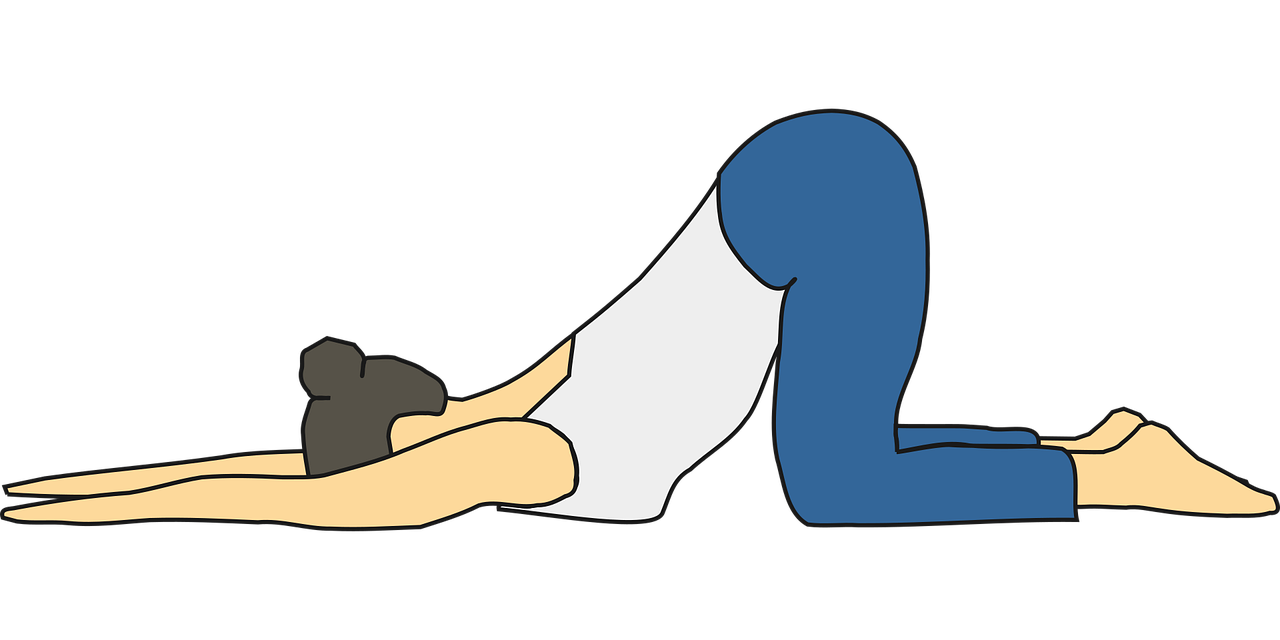

Warm-Up and Cool-Down Flexibility Routines
Incorporating warm-up routines into your workout is essential for increasing flexibility and mobility. A proper warm-up prepares your muscles and joints to perform exercises more effectively while reducing the risk of injury. Start with light aerobic activities, such as cycling or brisk walking, for about five to ten minutes. Gradually increase your heart rate and blood circulation to your muscles. Focus on dynamic stretches targeting major muscle groups. Effective dynamic stretches include arm circles, leg swings, and torso twists. Each stretch should Last for about 30 seconds, ensuring you feel tension, not pain. As your workout progresses, incorporate sport-specific movements to enhance coordination. Always listen to your body; if you experience discomfort, modify your routine to meet your needs. Following these warm-up guidelines not only improves flexibility but also enhances performance. Integrating these routines into your schedule can set the stage for a fruitful workout experience, allowing you to reap maximum benefits from your training. Remember that consistency is key, so aim to perform these routines regularly to see significant improvements in flexibility and mobility.
After a rigorous workout, cool-down routines are equally important for promoting recovery and flexibility. A proper cool-down helps your heart rate return to baseline levels and prevents muscle stiffness. Start with light aerobic activity to gradually lower your heart rate, followed by static stretching. Static stretches involve holding each position for 15-30 seconds, focusing on the main muscle groups you engaged during your workout. Effective static stretches include hamstring stretches, quadriceps stretches, and shoulder stretches. Incorporate deep breathing techniques to enhance relaxation, allowing oxygen to flow freely to your muscles. Consider foam rolling to release muscle tension and improve flexibility further. Spend about 10 to 15 minutes on your cool-down routine to ensure maximum benefits. This practice aids in muscle recovery, reduces soreness, and increases your overall flexibility. A regular cool-down routine can also help prevent injuries, ensuring that you remain active and healthy. By dedicating time to these essential practices, you prepare your body not just for today’s workout but for every workout in the future. Make cooling down a routine part of your exercise regimen.
Key Benefits of Warm-Up Routines
Engaging in warm-up routines offers numerous benefits for flexibility and mobility. These routines increase blood flow to muscles, improving the efficiency of your workout. Warm-ups enhance your performance by preparing your body for the physical demands ahead. They help to elevate your core temperature, which enhances the elasticity of muscles and tendons, contributing to improved range of motion. Enhanced flexibility and mobility during physical activities can lead to better posture and greater joint stability. Furthermore, reducing the risk of injury is one of the most significant benefits; muscles that are warmed up are less prone to strains and tears. Another advantage is the mental readiness gained from a structured warm-up routine. By mentally preparing yourself for the workout ahead, you can improve focus and motivation. Additionally, these routines can be tailored to various activities, whether for strength training, sports, or cardio. Different warm-up exercises should target muscles used in your upcoming session, maximizing effectiveness. Finally, developing a consistent warm-up habit can foster a lifelong commitment to fitness and self-care, allowing you to enjoy the many benefits of exercise.
Turning to cool-down routines, their benefits extend well beyond recovery and relaxation. Implementing a consistent post-workout routine aids in gradually lowering your heart rate, keeping your cardiovascular health in check. In addition, cool-down practices help in flushing out metabolic waste products from your muscles, aiding in soreness prevention. They promote improved flexibility by allowing muscles to return to their resting state without succumbing to stiffness. This can be particularly beneficial as you age, helping to maintain mobility. Additionally, cool-down routines can enhance mental clarity, allowing for reflection and acknowledgment of your achievements during the workout. By dedicating time to these essential routines, you set aside a moment for mindfulness practices, stunningly valuable in today’s fast-paced lifestyle. Integrating cool-down exercises can also build a habit of self-care and offer an excellent opportunity for communication with workout partners. You can discuss progress, share tips, or simply bond over mutual goals. In essence, cool-down routines have far-reaching benefits that support both physical and mental health, enabling you to maintain an active lifestyle. Consider these various advantages when planning your workout schedule.
Essential Warm-Up Exercises
Consider including a variety of essential warm-up exercises in your routine to improve your flexibility and mobility. Start with a set of arm circles by extending arms parallel to the ground. Make small circles, gradually increasing the size for about 30 seconds. Then, move on to leg swings; standing on one leg, swing the other leg back and forth. This activity loosens the hip joints. Incorporate high knees, where you jog in place, ensuring your knees lift to hip level, engaging your hip flexors. Similarly, butt kicks can activate your hamstrings while gradually elevating your heart rate. A dynamic torso twist is another great addition; standing with feet shoulder-width apart, twist your upper body side to side, keeping your hips facing forward. Finally, add lunges with a twist by stepping forward, lowering into a lunge, then twisting your torso towards your front leg. Engage in this routine for about 10 minutes, ensuring a thorough warm-up experience. By embracing these exercises before workouts, you ensure a fuller, safer, and more enjoyable fitness experience for both body and mind.
Stretching is a crucial aspect of both warm-up and cool-down routines. When you perform dynamic stretches, you engage in movements that not only prime your muscles but also enhance flexibility. Some key dynamic stretches include walking lunges, arm swings, and high-knee runs. These stretches prepare your legs, arms, and core, making them more pliable and ready for action. In contrast, static stretches performed post-exercise focus on elongating and relaxing the muscles after exertion. Techniques can vary, but common post-workout static stretches include the butterfly stretch, standing calf stretch, and pigeon pose. Including deep breathing during your stretching can maximize the effects and promote relaxation. Strive to hold each stretch for 15-30 seconds to promote adequate muscle recovery and prevent tightness. Always remember to focus on the areas that felt tight during your workout, targeting specific muscle groups that need it the most. The benefits of proper stretching are multifaceted; these practices improve flexibility, enhance muscle recovery, and reduce injury risks over time. Make stretching an essential habit, both before and after your workouts, for optimal health benefits.
Customizing Your Routine
Customizing your warm-up and cool-down routines can make a significant difference in your fitness journey. Understanding your specific needs and fitness goals allows for a more personalized approach to flexibility and mobility. Start by considering your activity level and the types of exercises you engage in regularly. For instance, if you’re primarily strength training, incorporating dynamic movements that target the major muscle groups utilized in lifting will enhance performance. Likewise, endurance athletes should focus on movements that improve stamina and agility, tailoring warm-ups to include plyometrics or similar exercises. Seek guidance from knowledgeable fitness trainers or physical therapists to assess where you can improve your flexibility and mobility. Additionally, pay attention to your body’s response to various exercises, adjusting your routine according to how you feel. Some days may call for more extensive routines, while others can be shorter and less intense. Remember to set realistic goals, as consistency is critical in achieving significant flexibility gains. By taking ownership of your fitness routine, you contribute to a more fulfilling journey toward improved flexibility and mobility.
Incorporating mindfulness into your warm-up and cool-down routines can elevate your overall fitness experience. Being present during these critical periods of your workouts enhances the benefits gained from stretching and mobility exercises. Focus on your breathing, noticing how your body feels in various positions and without rushing through your routines. Consider incorporating yoga or Tai Chi elements into your warm-ups or cooldowns for added depth and awareness. These practices can facilitate relaxation as they allow for mindful movement while maintaining alignment and balance. As you become more attuned to your body’s capabilities, you may notice improvements in your range of motion and overall well-being. Experiment with different music playlists or sounds to facilitate a calming atmosphere during your cool-downs. Remember to celebrate your accomplishments after each workout, whether through journaling or simple reflection. Tracking progress over time can be highly motivating. Make these practices more effective by sharing your insights with workout buddies or friends; this fosters a supportive community. By integrating mindfulness, you can transform your warm-up and cool-down routines into holistic experiences that promote both physical and mental health.