
Acupuncture as a Complementary Therapy for Mind-Body Balance in Fitness
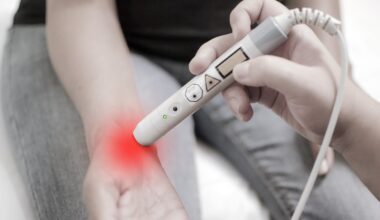
Acupuncture, a traditional Chinese medicine technique, has gained recognition as an effective complementary therapy in promoting mind-body balance and enhancing fitness routines. This ancient practice involves the insertion of thin needles into specific points on the body to alleviate pain and improve overall wellness. In recent years, fitness enthusiasts are increasingly incorporating acupuncture into their routines, leading to significant improvements in both physical and mental performance. By targeting specific acupoints, acupuncture can help release tension, reduce stress, and restore energy flow within the body. Consequently, individuals can experience a heightened sense of well-being, which is essential for optimal fitness. Additionally, acupuncture shows potential in healing minor injuries and managing chronic pain, often allowing athletes to train harder and recover faster. As stress management plays a crucial role in achieving fitness goals, this therapy can help individuals focus better on their routines and enhance their overall workout experience. Moreover, acupuncture supports emotional balance by encouraging relaxation, thereby improving meditation and mindfulness practices. Embracing acupuncture as part of a balanced fitness regime can contribute to achieving a comprehensive sense of wellness and harmony.
Understanding the Mind-Body Connection
The mind-body connection refers to the interaction between an individual’s thoughts, feelings, and physiological states. This intricate relationship directly influences physical health, performance, and overall well-being. Acupuncture plays a pivotal role in this connection by addressing both physical and emotional symptoms through targeted stimulation of acupressure points. By understanding how thoughts and emotions impact our physical state, fitness enthusiasts can take proactive steps to enhance their performance and recovery. Stress, anxiety, and depression can lead to physical tension, fatigue, and hindered progress in achieving fitness goals. Acupuncture effectively encourages the body to release endorphins, commonly known as natural painkillers, thereby promoting relaxation. Consequently, individuals can tap into a more positive state of mind while pursuing their fitness objectives. Seeking a balanced state through acupuncture can harmonize the emotional aspects with the physical training required in athletic pursuits. Practicing mindfulness along with acupuncture can further enhance the benefits. Utilization of both these therapies allows individuals to stay focused, motivated, and achieve their desired fitness outcomes, demonstrating the profound effects of integrating mind-body practices.
Acupuncture aims to harmonize the body’s energy or ‘qi’ to facilitate healing, thus aiding in achieving optimal fitness performance. A beneficial aspect of this therapy is its ability to manage pain, allowing individuals to maintain a consistent workout without interruptions caused by discomfort. For athletes and fitness enthusiasts, practices such as stretching, strength training, and cardiovascular exercises may lead to strains and injuries. Incorporating acupuncture treatments in tandem with these activities helps facilitate recovery, allowing individuals to push their limits without the fear of injury. Furthermore, acupuncture has been known to alleviate symptoms of fatigue and improve sleep quality, both crucial factors in enhancing overall performance. Better sleep quality results in better focus and quicker recovery, which is essential for anyone engaged in fitness training. Regular acupuncture sessions can significantly contribute to nurturing the body’s resilience, thus reducing susceptibility to common injuries. As physical health and mental wellness are intertwined, this holistic approach can prove particularly effective in achieving and maintaining one’s fitness goals, thereby enriching the overall experience of the fitness journey. This synergy ultimately leads to improved satisfaction and wellness in life.
Research has begun to unveil the benefits of acupuncture in combining mental clarity with physical performance. Scientific studies have noted that acupuncture can increase the body’s natural production of certain neurotransmitters, such as serotonin, which enhances mood and promotes a sense of calm. This psychological advantage is essential during strenuous workouts, as it allows individuals to push through physical barriers while maintaining emotional balance. The positive effects of acupuncture are further amplified when practiced before or after exercise routines, supporting relaxation or recovery. Moreover, engaging in mindful practices such as meditation or yoga alongside acupuncture can intensify its benefits. Mindfulness augments focus, while acupuncture alleviates distractions caused by tension. By achieving this heightened state of awareness, workout enthusiasts can form a deeper connection with their bodies. Each movement and breath becomes a conduit for an elevated experience, aligning physical exertion with mental clarity. As fitness trends evolve, blending practices such as acupuncture with conventional training may be the key to unlocking a new level of performance. Embracing these integrative approaches translates to a sustainable health journey that nurtures both body and spirit.
How Acupuncture Enhances Recovery
Recovery is an essential aspect of any fitness regime, and acupuncture can significantly facilitate this process. Whether for athletes or casual fitness enthusiasts, proper recovery helps in muscle repair and avoids burnout or injuries. Traditional recovery methods often involve rest, stretching, or physical therapy; however, acupuncture offers an alternative strategy that may prove beneficial. By inserting needles at strategic points, acupuncture stimulates blood flow, encouraging faster healing of overworked muscles. This increased circulation flushes out toxins, alleviates inflammation, and replenishes nutrients necessary for recovery. Following an intense workout, acupuncture can help alleviate muscle soreness known as Delayed Onset Muscle Soreness (DOMS), enabling individuals to return to their training regimens sooner. The therapy also addresses deep-seated tension accumulated during workouts, promoting a sense of peace and rejuvenation. Fitness enthusiasts often report feelings of lightness and improved mobility post-acupuncture sessions, enhancing overall comfort in their movements. Additionally, this therapy has the potential to enhance flexibility and joint stability. Regularly incorporating acupuncture into the recovery framework helps maintain long-term health, leading to continuous improvements in fitness levels and performance, ensuring consistency in training.
Acupuncture’s therapeutic effects extend beyond physical recovery, helping individuals achieve emotional and mental rejuvenation, essential for maintaining motivation. Developing an effective fitness routine can often become overwhelming, leading to anxiety and stress. The calming effects of acupuncture inherently support emotional wellness, creating a space where individuals can recharge mentally. By ensuring proper energy flow, acupuncture addresses emotional blockages that may otherwise hinder progress in fitness journey. Participants might notice that they experience reduced irritability and improved outlook, forming a significant link between mental health and physical capacity. Enhanced mental clarity resulting from acupuncture contributes to better decision-making in fitness practices, allowing individuals to choose workouts that best suit their evolving capabilities. Moreover, participants may find themselves less affected by setbacks and more resilient against challenges as they navigate their fitness journeys. This psychological fortitude encourages perseverance even in the face of difficulties, fostering a thriving mindset that contributes ages to long-term success. Overall, the culmination of both physical and mental advancements allows individuals to fully experience the joys of fitness while promoting their overall health and awareness.
Conclusion on the Integration of Acupuncture
The integration of acupuncture as a complementary therapy within fitness regimes has shown promising benefits that span physical, emotional, and psychological aspects. As interest in holistic methods continues to grow, many individuals are beginning to realize the potential of acupuncture in achieving a complete mind-body connection. The practice enhances recovery, nurtures emotional wellness, and promotes mental clarity, allowing individuals to experience an enriched fitness journey. To maximize these benefits, individuals should seek trained practitioners who customize treatments to meet their unique needs. Personalized treatments significantly improve the efficacy of acupuncture, ensuring that the therapy aligns with each person’s goals and fitness challenges. This tailored approach also enhances accountability, guiding participants to stay committed to their fitness routines. As awareness grows regarding the importance of holistic health, acupuncture deserves attention as a valuable addition. Ultimately, incorporating acupuncture seamlessly integrates traditional wellness principles with modern fitness practices, fostering greater satisfaction and achieving a deeper connection with one’s fitness journey. Individuals will likely experience enhanced health outcomes when the body and mind harmonize, feeling empowered to reach unprecedented fitness milestones.
Exploring Future Possibilities
As the health and wellness sector evolves, the synergy between acupuncture and fitness can open doors to new possibilities. Studies focusing on this integration may yield further insights into how acupuncture enhances athletic performance and enriches mental resilience. This research can influence training methodologies, encouraging fitness programs to incorporate acupuncture as a fundamental component of overall wellness. Fitness professionals may also align their expertise with acupuncture practitioners to develop comprehensive programs that address varied fitness needs. Physical trainers focused on individual success can utilize acupuncture to ensure their clients achieve both physical and emotional well-being. Additionally, advancements in technology may provide innovative solutions, such as virtual consultations and remotely guided acupuncture recommendations. As practitioners embrace a more holistic approach, merging conventional training routines with alternative healing practices could redefine fitness paradigms. The future of achieving fitness goals may very likely hinge on recognizing the intricacies of the mind-body relationship. Encouraging open dialogue about these practices fosters a rounded approach to health, leading to informed decisions that prioritize personal wellness. Ultimately, weaving together the disciplines of acupuncture, physical training, and mindfulness can create holistic frameworks for enduring health.