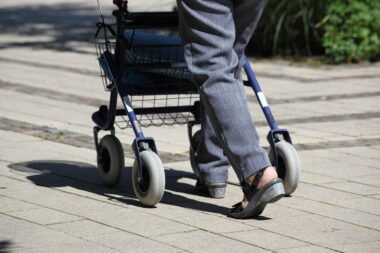

Adaptations of Skeletal Muscle to Exercise in Aging Populations
Aging populations face significant physiological changes, particularly in skeletal muscle adaptations related to exercise. Skeletal muscles experience a decline in mass, strength, and function with age, often termed sarcopenia. Regular exercise, especially resistance training, has been shown to mitigate these changes effectively. Importantly, the aging process leads to alterations in muscle fibers, where fast-twitch types decrease more than slow-twitch fibers. This shift affects overall power and endurance, crucial for daily activities. Resistance training, supplemented with protein intake, can stimulate muscle protein synthesis and promote hypertrophy, even in older adults. It is crucial to include both aerobic and resistance exercises in fitness regimens for seniors. Engaging in consistent physical activity not only preserves muscle mass but also enhances neuromuscular functions, improving balance and reducing fall risks in elderly populations. Adaptations in the neuromuscular system further enhance motor unit recruitment, leading to improved strength gains. Thus, adaptations in skeletal muscle due to exercise in aging populations are paramount for enhancing quality of life and maintaining independence. All age groups can benefit markedly from a well-structured exercise protocol, promoting longevity and optimal physical health.
The Benefits of Resistance Training
Resistance training provides numerous benefits for aging populations attempting to combat the effects of muscle degeneration. One primary advantage is the increase in muscle strength, which translates into improved functional abilities. This form of exercise stimulates various biological processes, such as the activation of satellite cells, aiding muscle repair and growth. Furthermore, regular resistance training can elevate basal metabolic rates, crucial for maintaining a healthy weight, particularly in older adults prone to weight gain. Moreover, it positively influences bone mineral density, reducing risks linked to osteoporosis. Enhanced muscle strength allows for greater independence in performing daily activities, offering a significant improvement in quality of life. Aside from physical benefits, resistance training contributes to mental health by alleviating symptoms of depression and enhancing cognitive function. Studies show that engaging in regular exercise supports better overall mood and sleep quality in older individuals. Additionally, incorporating elements of social interaction within resistance training classes can foster community ties, combatting feelings of isolation among seniors. Therefore, the role of resistance training in promoting physical and emotional well-being cannot be overlooked, representing a vital component of healthy aging.
Aerobic exercises also play a critical role in skeletal muscle adaptation amongst aging populations. These exercises, including activities like walking, swimming, and cycling, improve cardiovascular endurance and overall fitness. Notably, aerobic training enhances blood flow to muscles, supplying essential nutrients and oxygen while promoting efficient waste removal. As a result, improved circulation positively impacts muscle recovery and performance. Aerobic exercises help maintain mitochondrial density within muscle cells, which is vital for energy production. In addition to muscular benefits, consistent aerobic activity can decrease the risks of chronic illnesses, such as cardiovascular disease and diabetes, prevalent in aging individuals. Engaging in regular aerobic activities fosters enhanced stamina, allowing older adults to engage in daily tasks with less fatigue. Furthermore, evidence suggests that aerobic exercise can improve brain health, with studies associating it with reduced cognitive decline rates. Cognitive tasks become easier to manage when aerobic fitness levels improve. Moreover, including both aerobic and resistance training within a comprehensive fitness program yields additive benefits. Combining these forms of exercise creates a balanced routine, optimizing skeletal muscle adaptations necessary for active and healthy aging.
Nutritional Considerations for Muscle Health
Nutrition plays an essential role in skeletal muscle adaptation for aging populations, and proper nutrient intake can maximize workout benefits. Protein consumption is particularly crucial, as it directly influences muscle protein synthesis rates. As people age, their bodies might become less efficient at utilizing protein, necessitating an increase in daily intake. Aiming for high-quality protein sources, such as lean meats, fish, dairy, or plant-based proteins, can significantly support muscle health. Furthermore, adequate hydration is vital to enhance performance and recovery from exercises in aging individuals. Electrolyte balance must be maintained to prevent muscle cramps and fatigue. Additionally, micro-nutrients, especially Vitamin D and calcium, contribute to bone and muscle health, potentially mitigating risks of fractures and osteoporosis. Omega-3 fatty acids, found in fish oils, have also shown promise in improving muscle mass and strength in older adults. These dietary components should be incorporated into meals to support optimal muscle adaptation during physical activity. Finally, timing of nutrient intake around workout sessions can maximize the benefits; consuming protein-rich meals post-exercise aids recovery and stimulates muscle growth. These nutritional strategies are essential for promoting health throughout the aging process.
Understanding the physiological changes that occur in older adults is crucial for developing effective exercise protocols that target skeletal muscle adaptations. Aging is associated with hormonal changes, including reduced testosterone and growth hormone levels, which modulate muscle strength and mass. Tailoring programs to counteract these changes can lead to more effective outcomes. Regular exercise promotes hormone secretion that benefits muscle hypertrophy and enhances recovery times. Resistance training effectively stimulates muscle hypertrophy through mechanical overload, encouraging muscle fibers to adapt and grow stronger. Moreover, older adults may require longer recovery periods; thus, structured workout schedules must allow adequate rest to prevent overtraining. Emphasizing gradual progressions in load and intensity can help older individuals adapt safely to increased demands. Personalized fitness plans that consider each participant’s health history, any comorbidities, and functional abilities are vital. Healthcare professionals should oversee exercise programs to ensure safety and efficacy. Therefore, understanding physiological nuances offers targeted strategies to improve skeletal muscle health in aging populations; such tailored approaches promote sustainability and long-term adherence to fitness regimens vital for healthy aging.
Barriers to Exercise in Aging Populations
Despite the numerous benefits of exercise, several barriers hinder older populations from engaging in regular physical activity. One primary concern includes physical limitations, such as arthritis or injury, preventing the ability to participate in specific exercises. Fear of injury, particularly in those with prior experience of falling or frailty, can deter engagement in exercise programs. Societal expectations and stereotypes regarding aging may further contribute to the perception that exercise is unsafe or unnecessary, leading to sedentary lifestyles. Additionally, lack of access to suitable recreational facilities or programs catered to older adults can create obstacles for adopting regular exercise habits. Financial constraints also affect the ability to afford gym memberships or personal training, limiting exercise opportunities. Furthermore, inadequate knowledge about appropriate exercise types and routines poses challenges. Some may not know how to create an effective workout plan or engage in safe exercises. To combat these barriers, it is essential to promote education regarding safe physical activity tailored to older individuals while ensuring access to appropriate facilities. Engaging family members or caregivers in the process is also vital to encourage and support physical activity endeavors among aging populations.
Create a supportive environment that fosters exercise among aging individuals, strengthening their motivation to stay active for better health. Encouragement can come from various sectors including family, friends, caregivers, and healthcare professionals urging older adults to partake in physical activities. Providing classes or community programs specifically designed for seniors may fill the gap where traditional gyms cannot. Utilizing technology such as wearable fitness trackers can help monitor activity levels and motivate individuals to reach their goals. Social engagements through group classes can enhance motivation while also establishing friendships, decreasing feelings of isolation often experienced by seniors. Furthermore, promoting the benefits of exercise through local campaigns or workshops can increase awareness and motivate participation. Utilizing examples of older individuals who have thrived through physical activity can serve as inspiration. Ultimately, ensuring that older adults feel empowered, safe, and supported in their exercise pursuits is critical. This encouragement leads to long-term commitment and adherence to fitness programs. By fostering a culture that values and prioritizes physical activity, we can significantly improve health and well-being in aging populations, welcoming healthier lifestyles and enriched lives.
To conclude, adaptations of skeletal muscle to exercise play a vital role in promoting health and wellness among aging populations. Resistance training and aerobic exercise are both essential components that support muscle strength, function, and overall physiological health. Nutritional strategies must be employed alongside exercise regimens to enhance muscle properties and recovery processes. Addressing barriers preventing exercise adherence is critical in ensuring older adults maintain active lifestyles. Ultimately, promoting a supportive environment encourages seniors to engage in physical activity, leading to healthier aging and disease prevention. Tailored exercise programs and commitment to consistency enable vital adaptations to muscle, diminishing the effects of aging on physical function. Through effective communication and positive reinforcement, we can help older adults reframe their relationship with exercise. This approach emphasizes that physical activity is not just possible but essential for an improved quality of life. The importance of exercise in aging populations cannot be overstated, with data showing substantial impacts on mortality rates and chronic disease prevalence. Advocating for fitness as a fundamental element of healthy aging can foster a shift toward physically active lifestyles. By embracing exercise, older adults can enjoy enhanced physical and mental health, contributing to a rewarding and fulfilling life.