
Advanced Warm-Up Techniques for Competitive Boxers
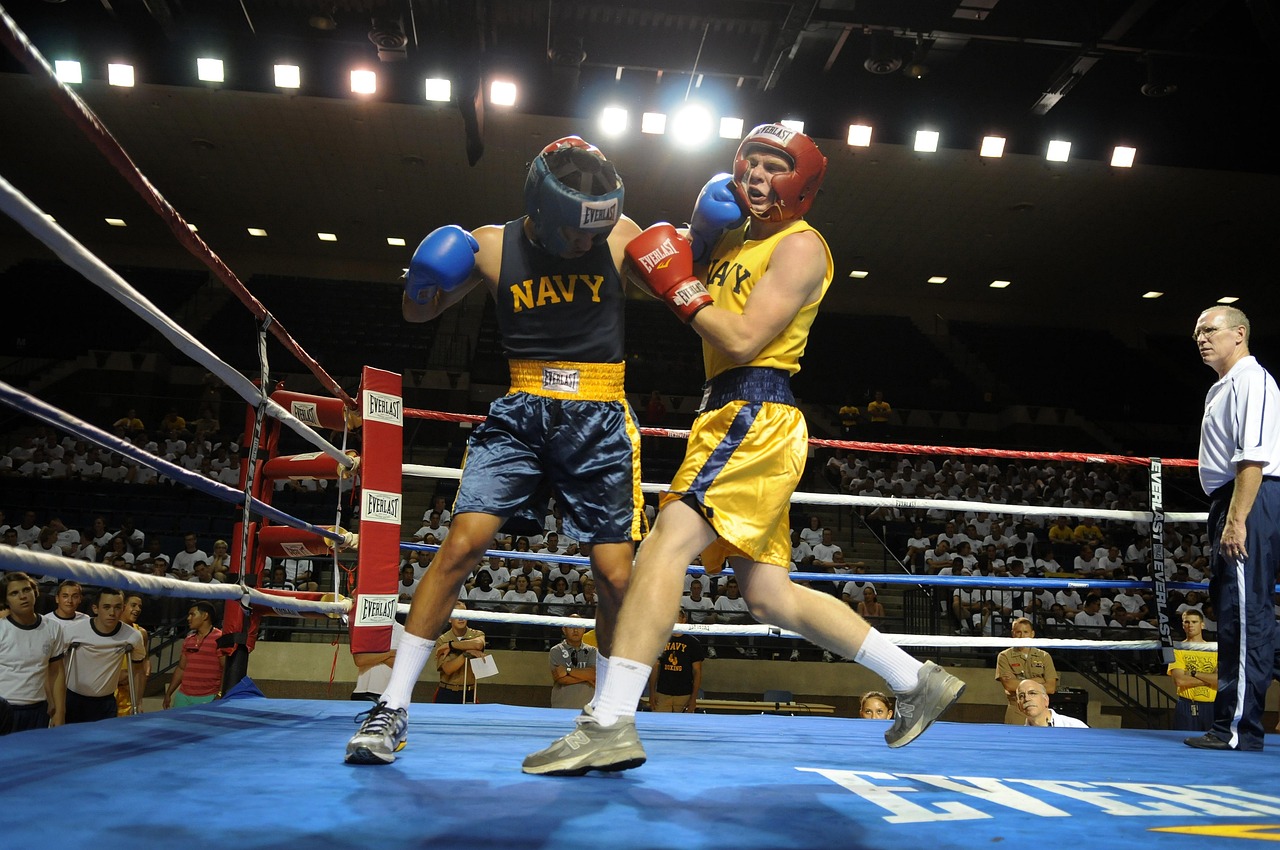
Warm-up routines play a crucial role in the overall performance and safety of competitive boxers. Proper warm-ups help to prepare the body and mind for the intense physical demands of boxing. These routines increase the heart rate, enhance muscle flexibility, and boost mental focus. A well-structured warm-up session should include both dynamic and stationary exercises to optimally prepare the body. Incorporating movements that closely resemble the mechanics of boxing can be particularly effective. Techniques such as shadow boxing, footwork drills, and resistance training enhance muscle endurance and improve coordination. Great emphasis should be placed on activating major muscle groups to promote blood flow and prepare the joints for intense activity. Incorporating breathing exercises can help with concentration and mental readiness. Furthermore, competitive boxers may also benefit from partner drills for better timing and reflex training. Sustaining an appropriate intensity during warm-ups can establish a beneficial physiological state. Ensuring that all aspects are integrated effectively ensures boxers approach their fights properly primed. Customize your warm-up regimen to suit your specific needs and preferences for maximum benefit.
Dynamic Stretching and Mobility Work
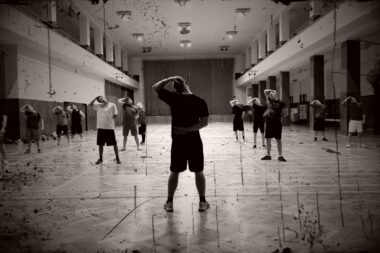
Dynamic stretching offers an excellent starting point for serious boxers looking to enhance flexibility while preparing their bodies for competition. This type of stretching involves movements that mimic the activity to be performed, thereby enhancing mobility through the range of motion specific to boxing. Boxers should focus on controlled yet explosive movements that engage different muscle groups effectively. For instance, incorporating leg swings, arm circles, and torso rotations can help loosen up tight muscles. Mobility work not only improves flexibility but also helps in breaking down muscle stiffness that may arise from previous training. Another effective practice integrates a mix of dynamic stretches with specific boxing moves, such as throwing jabs or hooks while moving. This helps to reinforce proper body mechanics as one’s body begins to awaken from a state of rest. Additionally, utilizing resistance bands can aid in stabilizing smaller muscles while generating power in larger muscle groups. Implementing these stretching techniques consistently can mitigate the risk of injury while significantly enhancing overall athletic performance. Therefore, always warm-up dynamically to ensure the best boxing experience.
Another essential component of advanced warm-up routines involves plyometric exercises designed to activate fast-twitch muscle fibers. These explosive movements assist boxers in developing quick reflexes and powerful strikes, essential attributes within the boxing ring. Examples of plyometric exercises include box jumps, skipping, and lateral bounds. Integrating these exercises creates an energetic environment that increases the heart rate, which is crucial for an effective warm-up. Also, controlling the intensity and volume of plyometric movements helps to avoid injury while maximizing benefits. By executing single-leg hops or double-leg jumps, boxers enhance balance and coordination, which in turn impact footwork during bouts. The intensity can later be increased or decreased depending on immediate goals or fatigue levels. Gradually adapting the plyometric element helps boxers find their optimal performance state before a fight. Furthermore, it reinforces neuromuscular connections critical for optimal performance. The key is balancing power generation with skill execution effectively through these exercises. Therefore, incorporate plyometrics into your warm-up routine responsibly to build explosive power while maintaining readiness for the boxing challenge ahead.
A vital part of advanced warm-up routines is the inclusion of sport-specific footwork drills that prepare boxers for the unique demands of boxing matches. These drills enhance agility, balance, and speed essential for navigating the ring effectively. By integrating lateral shuffles, forward and backward steps, and cross-steps, boxers can improve their foot speed and positional accuracy. This type of footwork maximizes their ability to evade opponents while maintaining offensive stances. Utilizing shadows and cones can add an extra layer of difficulty and engage spatial awareness. Engaging in partner drills may also replicate specific match scenarios, further enhancing situational awareness. Enhancing your footwork through these drills can streamline your movement and create a more controlled boxing style. Incorporate different speeds, stances, and angles for a comprehensive warm-up. Moreover, utilizing music can create an energetic atmosphere during training. Striving for maximum effectiveness through properly executed footwork routines leads to heightened performance. Finding a precise balance of practice and speed in these drills sets the foundation for success in the competitive boxing scene.
Breathing Exercises for Optimal Performance
Integrating breathing exercises into warm-up routines is essential for enhancing focus, reducing anxiety, and improving overall stamina. These techniques allow competitive boxers to center their minds while preparing their bodies for the physical challenge that lies ahead. Boxers can practice deep diaphragmatic breathing, which reinforces oxygen exchange and relaxation of the core muscles. Effective breathing exercises include inhaling deeply through the nose and exhaling slowly through the mouth. Maintaining proper breathing helps to control heart rate and focus during stressful moments in the ring. Boxers may also practice breath control routines for rhythm when pairing with shadow boxing or footwork drills. The combination of breath control and physical movement amplifies endurance and energy levels throughout rounds. Furthermore, focusing on breath while engaging in movement enhances mental clarity, allowing boxers to stay calm and decisive in the ring. These techniques not only create an energized state but also empower boxers to effectively manage fatigue during bouts. Thus, towards peak performance, utilize breathing exercises faithfully within your boxing warm-up regimen to harness the full potential of your abilities.
A holistic approach to advanced warm-up techniques also encompasses the importance of mental preparation. Competitive boxing is not solely a physical endeavor; it requires mental fortitude to succeed in high-pressure environments. Visualization techniques are widely practiced among elite boxers to enhance focus and decrease performance anxiety before fights. Imagine the movements and outcomes desired during a match to increase self-confidence and enhance strategic thinking. Mental rehearsals allow boxers to visualize themselves successfully executing different techniques, enabling them to respond properly in real-time scenarios. Additionally, mindfulness meditation can foster a deeper connection between mind and body, leading to increased relaxation and readiness. Boxers should devote time to explore their mental strategies available to them through these warm-ups. Create a silent space, breathing steadily while visualizing routines, sequences or match conditions. By integrating mental training time alongside physical conditioning, boxers can experience more profound readiness. Furthermore, integrating gratitude journaling can enhance positive mindsets that support overall growth and development. Therefore, commit to the included mental exercise for comprehensive advancements in boxing performance and capability.
Lastly, concluding the warm-up routine with a cool-down session is crucial for optimal recovery post-training or competition. This cooldown allows the body to gradually return to its resting state, reducing the chances of soreness and stiffness. Static stretching post-workout helps elongate muscles, promoting flexibility and recovery. Engaging in light movement, such as walking or slow jogging, encourages blood circulation while reducing heart rate. The ideal post-workout stretches target main muscle groups used in boxing, ensuring that flexibility is maintained for later training sessions. Additionally, focusing on pliability boosts performance for future practices or competitions. Boxers may incorporate tools like foam rollers or resistance bands to further enhance muscle recovery. Furthermore, taking time to hydrate and replenish nutrients after rigorous workouts promotes necessary healing. Therefore, spending 10-15 minutes after intense training is crucial. This allows boxers to reflect, mentally unwind, and transition into recovery mode effectively. With dedicated attention to cooldowns, boxers enhance their longevity, ensuring they remain competitive in the sport. Thus, complement warm-ups with proper cooldown practices for a complete approach to boxing fitness.