Rehabilitation Protocols for Anterior Cruciate Ligament Injuries
Rehabilitation protocols for anterior cruciate ligament (ACL) injuries are essential to facilitate healing and restore function. Post-injury, the primary goal is to minimize pain and swelling while regaining range of motion. A well-structured protocol typically encompasses several phases. The initial phase focuses on protecting the knee and managing symptoms. This may involve avoiding stress on the joint and employing modalities such as ice therapy. Patients are often guided to perform gentle range of motion exercises to avoid stiffness. As healing progresses, strength training becomes crucial to support surrounding muscles. In this phase, closed-chain exercises are favored, as they may promote joint stability. The integration of proprioceptive exercises enhances balance and coordination, further aiding recovery. Education on proper biomechanics is vital to prevent future injuries. Involvement in activities that do not impose high-stress loads on the knee is promoted during rehabilitation. Sport-specific training is eventually reintroduced as patients regain sufficient strength and stability. Maintaining communication with healthcare professionals ensures a tailored approach to individual progress, ensuring optimal recovery outcomes.
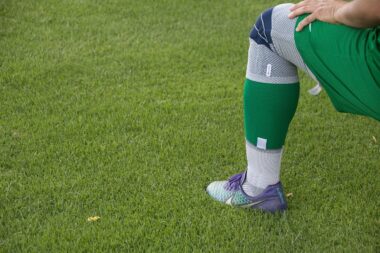
Following a thorough evaluation, rehabilitation protocols should address the varying severity of ACL injuries. Standardized assessments guide the development of personalized treatment plans. The recovery process is typically divided into phases, each with specific goals and interventions. Early on, an emphasis on reducing swelling with protective bracing or elevation can be critical. Gradually, strength training is introduced, focusing on quadriceps and hamstring muscles. Resistance bands and ankle weights are commonly utilized to promote muscle activation without undue stress on the ACL. Attaining full range of motion, particularly knee extension, forms a critical benchmark for progression. Incorporating sport-specific movements later in rehabilitation can enhance functional recovery, emphasizing agility and strength. Another aspect often included is neuromuscular training, which targets the neuromuscular adjustments required to perform complex movements. Throughout, patient education plays a pivotal role in fostering adherence and understanding the importance of each phase. Setting realistic goals helps in maintaining motivation, allowing gradual return to sports. Regular follow-up assessments are necessary to ensure proper adherence to protocols and to evaluate the patient’s readiness to progress to the following rehabilitation phase.
Importance of Phased Rehabilitation
Phased rehabilitation for ACL injuries serves multiple essential purposes, primarily to ensure a systematic approach to recovery. Each phase has unique objectives that lead to progressive healing. The first phase focuses on inflammation control and restoring motion. This low-impact strategy mitigates further injury risks. Transitioning to strength training is vital for preparing the knee for more demanding activities. Gradually increasing load allows the body to adapt without compromising stability. Each set of exercises should carefully consider the patient’s pain levels and functional capacity. Progressing too quickly can delay healing, while slow advancement can hinder recovery. Therefore, a guidepost of specific measurable markers helps ensure advancement is appropriate. Moreover, introducing dynamic exercises too soon, such as cutting and pivoting drills, can exacerbate injury risk. Instead, introducing controlled agility drills once strength reaches a safe level fosters confidence and performance readiness. It’s critical that rehabilitation timelines are individualized, as biological factors can significantly impact healing. Collaboration between rehabilitation specialists, physicians, and athletic trainers ensures comprehensive care tailored to the athlete’s requirements. Such an approach noticeably increases the chances of successful return to sport with minimized injury risk.
Research indicates that proper rehabilitation can significantly affect long-term outcomes following ACL reconstruction. Factors influencing recovery include pre-operative conditioning and patient motivation. A strong baseline may facilitate faster rehabilitation progress. Additionally, integrating psychological support often proves beneficial, as mental readiness can affect rehabilitation outcomes. Athletes facing the prospect of surgery may experience anxiety, which may impact their willingness to adhere to rehabilitation. Thus, incorporating mental skills training can help improve outcomes, particularly in competitive sports. Visualizing success and maintaining a positive mindset can greatly assist in overcoming rehabilitation hurdles. Furthermore, peer support oftentimes plays a crucial factor in recovery as well. Connecting with others who have experienced similar injuries can foster a sense of camaraderie and encouragement. Beyond psychological well-being, physical therapy strategies must rely on proven principles aimed at restoring strength and flexibility. Utilizing a combination of manual therapy to alleviate restrictions and advanced technologies, such as biofeedback, facilitates enhanced neuromuscular engagement. These methods optimally prepare athletes not only for return to play but for resilience against future injuries, resulting in a smarter rehabilitation process. Incorporating evidence-based practices remains essential in achieving the desired rehabilitation outcomes.
Monitoring Progress and Adjustments
Monitoring progress throughout ACL rehabilitation is vital for assessing the effectiveness of protocols and making necessary adjustments. Regular evaluations, including strength measurements and functional tests, allow practitioners to track recovery accurately. Adjustments to rehabilitation protocols may be required based on the patient’s progress. Strengthening activities should only progress when patients can demonstrate adequate function and stability. Thus, utilizing physical assessments such as the Single-Leg Hop Test can be beneficial to gauge readiness for more intense activities. Moreover, maintaining an ongoing dialogue with the patient enables a personalized approach to recovery. Listening to patient feedback regarding pain levels and barriers to performance is crucial. Additionally, incorporating technology to monitor joint angle and movement patterns through video analysis can enhance understanding of biomechanical changes. Such assessments provide objective data that can help guide further rehabilitation. Ultimately, allowing flexibility within the rehabilitation framework is essential. Each recovery is distinct, with individual variables influencing timelines and outcomes. Flexibility ensures that protocols remain patient-centered, allowing admiration of both physiological and psychological recovery. This adaptive approach plays a fundamental role in ensuring optimal success.
Restoration of proprioception, balance, and neuromuscular control reflects the culmination of successful ACL rehabilitation. Transitioning to sport-specific training must occur once strength and range of motion demonstrate significant improvements. This phase should resemble the actual movements involved in the athlete’s sport, focusing on cutting, pivoting, and jumping mechanics. Exercises designed to simulate game-like situations may increase confidence and readiness for return. Implementing agility drills and sport-specific exercises ensures the knee’s structural integrity during dynamic movements. Furthermore, integrating plyometric training can enhance explosiveness and power. This will aid in restoring athletic performance metrics lost due to injury. Throughout this period, ongoing feedback from athletic trainers regarding biomechanics and performance quality is critical. Consideration should also extend to subsequent injury prevention programs targeting muscle imbalances. Moreover, it’s vital to educate athletes about precautions, especially during the early return. A strong educational component can facilitate an awareness of strategies to minimize re-injury risk. Continuing engagement with healthcare providers throughout this phase fosters accountability. This is vital so athletes commit to long-term health following rehabilitation. A comprehensive understanding of recovery processes contributes significantly to addressing potential risk factors effectively.
Conclusion: Successful Rehabilitation
In conclusion, ACL rehabilitation is a multifaceted journey that requires structured protocols, individual adjustments, and comprehensive support. The rehabilitation process is both a physical and psychological endeavor that hinges on communication between patients and healthcare teams. Utilizing evidence-based practices remains critical for ensuring optimal outcomes along the rehabilitation continuum. Regular monitoring fosters necessary adjustments, facilitating personalized recovery paths. Understanding the specific phases aids healthcare providers in developing tailored plans that address the needs of patients precisely. As athletes progress, integrating functional and sport-specific training becomes essential to restore performance levels. Additionally, psychological preparation plays a role in reintegrating athletes into competitive environments. Transition strategies focusing on gradual re-exposure to sport activities can prove critical for maintaining stability and preventing re-injury. Ultimately, patients must adhere to training programs while being educated about their recovery journey. The combination of effective strength training, proprioception drills, and ongoing assessments paints a complete picture of successful ACL rehabilitation. As innovations in sports medicine continue to evolve, focusing on personalized care can enhance recovery elements and foster a resilient mindset. For athletes, a well-executed rehabilitation plan truly delineates the gap between injury and triumphant return to sport.
In doing so, the collaboration among specialists and the patient’s involvement proves an indispensable component in achieving long-term success post-injury. Through comprehensive understanding and strategic planning, ACL rehabilitation can shift the athlete’s trajectory toward a favorable outcome. Engaging with the latest research informs clinicians and therapists about emerging techniques that may improve rehabilitation processes. For example, exploring regenerative medicine options has opened new avenues for better healing protocols. Staying abreast of advancements ensures that rehabilitation remains dynamic and adaptable to individual needs. Overall, a focus on rehabilitation strategies highlights the significant role they play in recovery from ACL injuries. By reinforcing functional performance and psychological resilience, athletes can regain confidence and readiness, paving the way for a successful return to sport. Through consistent education, motivation, and reevaluation, both athletes and their support teams can help enhance adherence to rehabilitation protocols. This ultimately enhances resilience across the continuum of recovery. Every milestone achieved should be celebrated to foster a positive outlook on the rehabilitation journey. As a unified effort emerges within the framework of rehabilitation, the path to recovery becomes clearer and more achievable for those affected by ACL injuries.