
Speed-Endurance Sets: Training for Sprint and Middle Distance
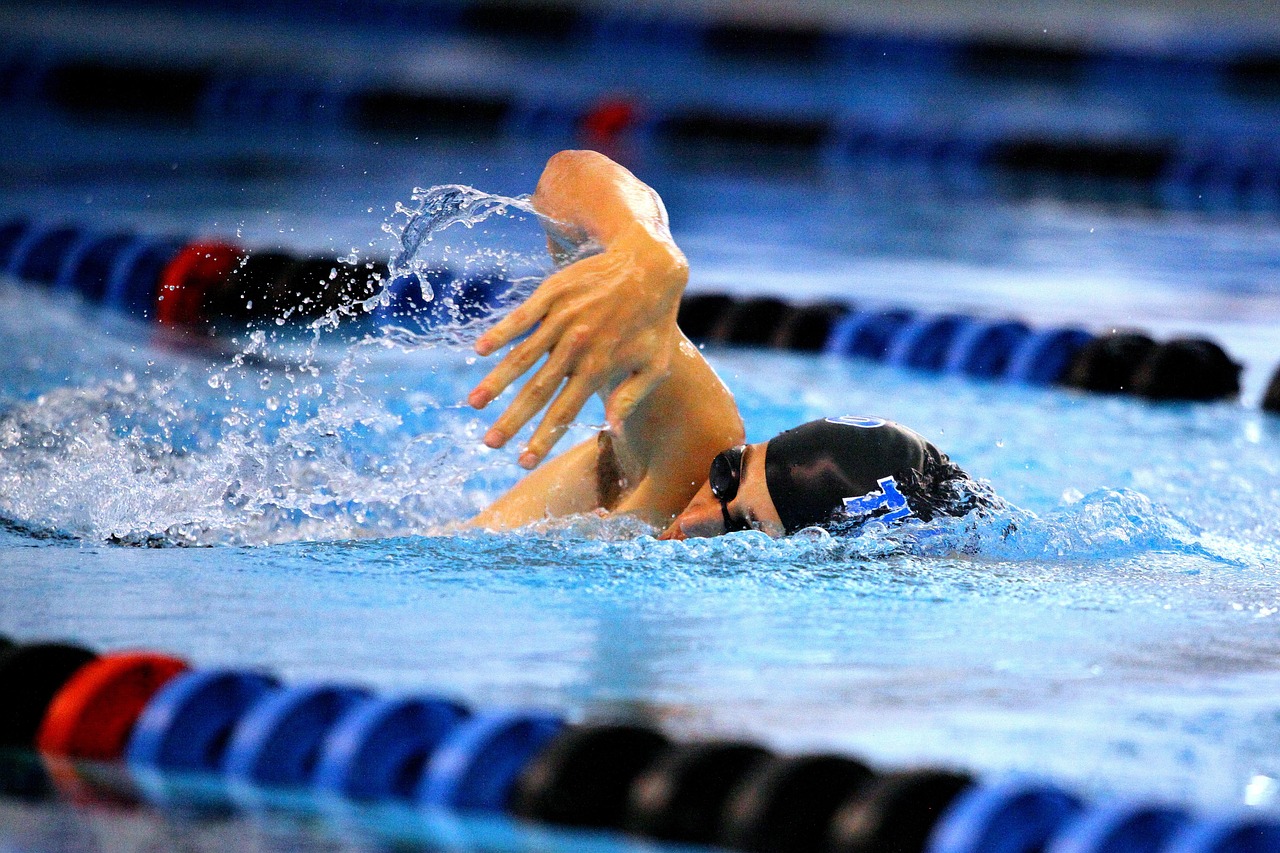
Speed-endurance sets are essential for swimmers seeking to enhance their performance in sprint and middle-distance events. These workouts focus on developing the ability to maintain a high speed over extended periods, allowing athletes to maximize their potential during competitions. Implementing effective training strategies is crucial for success, and coaches often structure these sets to optimize a swimmer’s abilities. Progressive increases in intensity and distance are implemented gradually to avoid injury while ensuring swimming efficiency improves. Some drills include short sprints with rest intervals and longer swims at race pace, enhancing both aerobic and anaerobic systems. Swimmers should prioritize technique during speed-endurance workouts to avoid bad habits that could hinder performance. Incorporating drills that focus on cardiovascular endurance will also prepare swimmers for the demands of their races. Ensuring a balance between speed work and endurance is the foundation of a successful training program. Therefore, swimmers should frequently evaluate their progress and adapt their workouts to stay competitive, and keenly aware of each training session’s impact on their overall performance. As athletes progress, they will notice improvements in their race times and overall energy management.
In addition to structured training, it is essential to include variety within speed-endurance sets, which can prevent plateaus and monotony during workouts. Swimmers might consider incorporating different strokes, such as freestyle or butterfly, keeping themselves engaged while fostering versatility. This approach not only enhances physical capacities but also sharpens mental resilience, a crucial component in competitive swimming. Moreover, mixing short and long intervals challenges swimmers to adapt continuously and develop their tactical race strategies. To truly benefit from these sessions, athletes need to synchronize their breathing patterns, and stroke mechanics with the emphasis on maintaining optimal speed throughout. Many swimmers find that focusing on core strength enhances their performance during speed sets, as a stable core translates to streamlined movements within the water. Additionally, varying rest intervals within workouts encourages faster recovery, allowing athletes to sustain their peak performance levels during training. A well-rounded regimen, combined with adequate recovery strategies, can lead athletes to significant performance improvements. Seeking guidance from coaches, using data analysis, and logging training sessions can provide insights into their progress.
Technical Aspects of Speed-Endurance
Technical proficiency is paramount for swimmers undertaking speed-endurance training, as good technique directly correlates with effective power output and efficiency. Athletes should continuously focus on elements such as body position, kick technique, and breathing rhythm. Implementing drills that isolate and analyze these components can help achieve desired results during speed-endurance workouts. Many athletes find that regular feedback from coaches assists them in refining their technique, significantly contributing to their progress. Furthermore, performing video analysis can uncover specific stroke inefficiencies to improve upon, which may otherwise go unnoticed. Regularly including technique-focused drills can lead to smoother movements and more efficient energy use over time. Another aspect to consider is the role of pacing during both training and racing. Swimmers should be equipped with strategies to judge their energy output effectively based on intended race paces. To supplement these technical skills, including aerobic base sessions before implementing speed-endurance sets is recommended. This creates a strong foundation for athletes to build upon while developing speed. Therefore, the right balance between technique, strength, and endurance is crucial for swimmer development and breakthrough performance.
Nutrition also plays a vital role in how effectively athletes perform during speed-endurance training and competitions. Swimmers must maintain a well-balanced diet that supports their rigorous training needs, with an emphasis on carbohydrates, proteins, and hydration. Proper fueling before, during, and after training can significantly alter an athlete’s stamina and recovery times, serving as a foundation for successful workouts. Many athletes tend to experiment with different pre-workout snacks or drinks, discovering what foods best suit their digestive systems while providing the energy necessary for intense sessions. Additionally, post-workout nutrition is equally vital for improving muscle recovery and restoring energy levels after grueling speed-endurance training. Supplements such as protein shakes and electrolyte drinks can offer essential nutrients to enhance recovery. Swimmers must learn to recognize when their bodies need replenishment, especially after high-intensity training sessions. Moreover, establishing a regular eating schedule around training can create better habits, ensuring athletes are prepared for every session. As athletes continue to learn from their experiences and adapt their nutrition strategies, they will find a significant impact on their overall performance and energy management while swimming.
Injury Prevention and Recovery
Injury prevention must be a top priority when engaging in speed-endurance workouts, as overexertion can lead to strains and stress fractures. Effective training plans should incorporate a variety of rest days, cross-training, and flexibility activities to ensure that swimmers maintain their bodies’ wellbeing. Additionally, stretching before and after workouts significantly aids in reducing the risk of injuries. Implementing yoga or pilates practices can also improve flexibility and strength, providing lengthy benefits on an athlete’s performance. Furthermore, addressing any muscle imbalances and ensuring a well-rounded strength training program should be elements in swimmers’ preparations. Athletes who are mindful of their bodies and take the time for proper conditioning will typically have fewer injuries. With the increased focus on recovery, incorporating techniques such as foam rolling and use of massage therapy can promote quicker recovery and better overall performance. Utilizing techniques such as contrast baths may also reduce muscle soreness following intense workouts and lead to improved athletic outcomes. It’s crucial to listen to the body’s cues and consult healthcare professionals when questionable pain arises in training. Ultimately, injury prevention and recovery contribute heavily to long-term athletic success.
Monitoring progress throughout the training process becomes crucial to understand improvements in speed-endurance performance. Utilizing performance metrics can provide swimmers with valuable insights into their development and gauge their readiness for competition. Tools such as heart rate monitors, timing systems, and swim watches help the athletes remain aware of their workout intensities. Swimmers may discover that recording their intervals and rest times yields vital data for future workouts, allowing athletes to fine-tune their training based upon performance. Setting measurable goals, like improving lap times or reducing stroke count, helps maintain motivation during workouts. Furthermore, regularly reassessing goals according to progress keeps the training engaging. Additionally, engaging in discussions with coaches about individual progress fosters a better understanding of unique strengths and weaknesses within each swimmer. This dialogue enables continuous adaptations of training programs to ensure proper focus remains where necessary. Peer support among teammates also creates an inspiring atmosphere during workouts, while accountability from one another can enhance performance outcomes. As athletes strive for excellence, monitoring performance metrics will ultimately lead to the achievement of personal bests in speed-endurance events.
Conclusion
In conclusion, speed-endurance sets are an integral component of training for swimmers competing in sprint and middle-distance events. By focusing on developing both technical skills and physiological capacities, athletes can optimize their overall performance during competition. Creating an encompassing training plan that includes diverse workouts, proper nutrition, injury prevention strategies, and performance monitoring ensures a holistic approach to athlete development. By fostering a strong foundation and adapting training based on personal experiences, swimmers will ultimately experience significant enhancements in their race times. The combination of mental resilience and physical capability will separate highly committed athletes from their competition. Furthermore, a collaborative environment, where athletes and coaches work together, encourages enthusiasm for training while consistently pushing for improvement. The pursuit of excellence in speed-endurance work demands continuous adaptation, focused effort, and a willingness to learn from previous sessions. Emphasizing an individualized approach is key, as every swimmer’s journey is unique. As such, dedication to training will inevitably lead aspiring swimmers towards achieving their dreams and maximizing their potential for future competitive success. The journey through speed-endurance training challenges athletes but rewards them with unforgettable experiences and achievements.