
Bodyweight Warm-up Routines for Improved Balance and Coordination
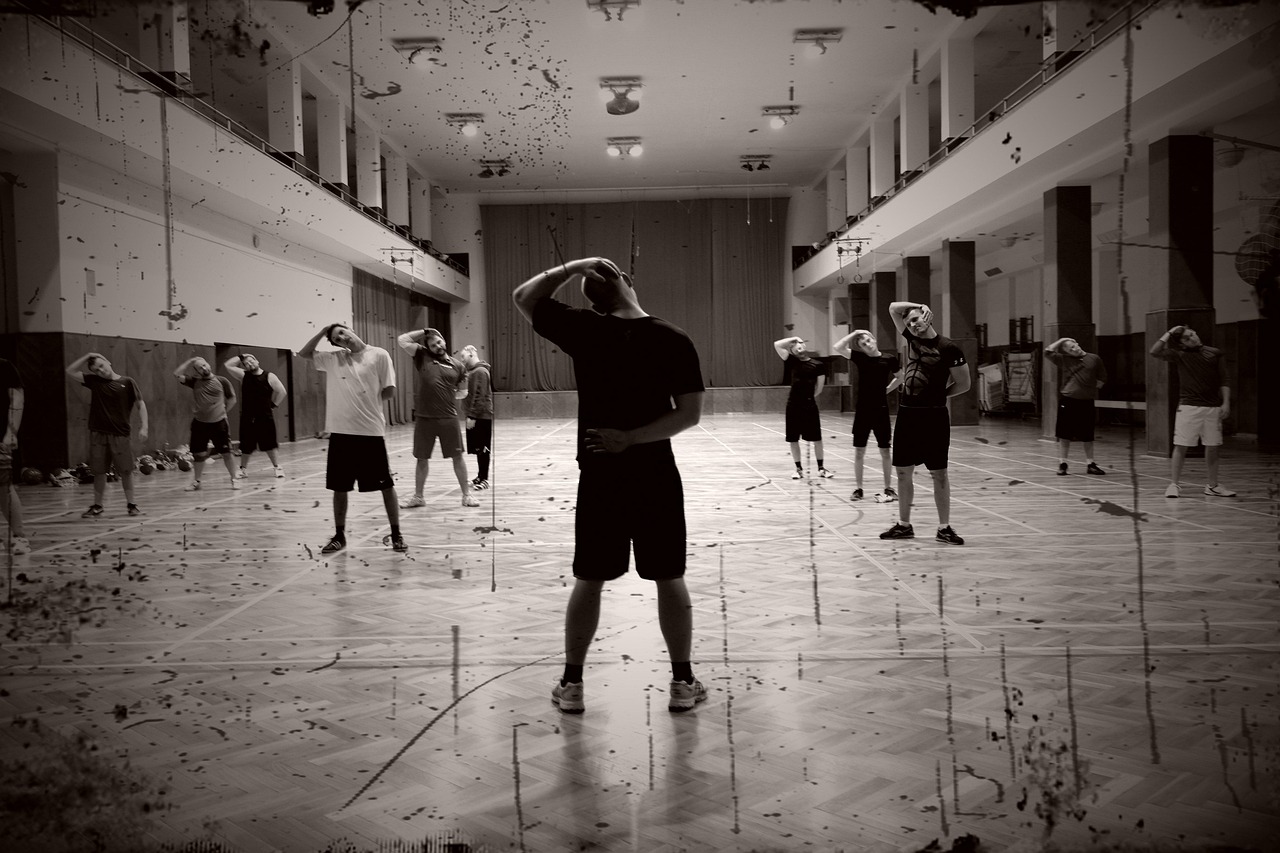
Incorporating effective warm-up routines can significantly enhance your balance and coordination during bodyweight exercises. An effective warm-up not only prepares your muscles and joints for the workout but also stimulates your nervous system, enhancing coordination. Start with dynamic stretches targeting major muscle groups, focusing on mobility and flexibility. Engage in exercises such as arm circles, leg swings, and torso twists to loosen your body. Gradually increase the intensity as you advance through your warm-up routine. A blend of movement and stretching will help elevate your heart rate, preparing your body for the tasks ahead. Moreover, consider incorporating bodyweight movements such as lunges and squats during your warm-up session to activate the muscles required for balance. Notably, balance exercises like standing on one leg or heel-to-toe walks can also elevate your warm-up by mentally and physically preparing you for the workout. Another tip is to utilize a mirror to observe your form and posture, ensuring your body aligns correctly. Proper alignment promotes safety and effectiveness in your subsequent exercises, making your warm-up an essential component of your overall workout plan.
Before engaging in bodyweight exercises, assessing your strength and flexibility is vital for formulating an appropriate routine. A well-balanced warm-up should include both strength-oriented and flexibility-enhancing elements. Begin with base exercises such as push-ups or planks, focusing on engaging your core and stabilizing your body. These movements prepare your muscles while helping cultivate endurance and strength required during workouts. Remember to perform each movement slowly and deliberately, emphasizing proper form over speed. Pay attention to how your body responds through various movements, helping you adapt your warm-up based on its needs. Side lunges or mountain climbers are excellent additions to your warm-up routine, stimulating flexibility and promoting blood flow in your lower body. These exercises can effectively engage multiple muscle groups and enhance coordination as they require a more dynamic range of movement. Incorporate knee hugs or quadriceps stretches to improve flexibility further. Emphasizing both shape and movement quality during your warm-up sessions will offer significant benefits to your bodyweight workouts. Consistently incorporating these warm-up elements can maximize performance and promote a healthy balance in your fitness regimen.
Dynamic Movements to Enhance Warm-Up
Dynamic movements during your warm-up can lead to better overall performance in bodyweight exercises. Begin with light jogging or skipping in place to elevate your heart rate and awaken your muscles. After this, transition to dynamic stretches that keep you moving while promoting flexibility. Examples include high knees, butt kicks, and carioca steps, which engage various muscle groups dynamically. Each exercise contributes to improving coordination and prepares your body for the challenges ahead during your workouts. Following this, consider adding in movements that involve rotational elements. These are essential for enhancing coordination, as they simulate various exercise patterns. Consider side shuffles or torso twists to generate mobility in your core. Always focus on maintaining proper form while performing these exercises since it directly impacts the efficacy of your warmup. Also, consider changing directions frequently to challenge your balance and coordination. This variation keeps your warm-up engaging and adaptable to different needs. Remember, a robust warm-up equips you with the endurance and stability to handle more intense bodyweight exercises effectively, reducing the risk of injury.
Gradually escalating the intensity of your warm-up is crucial to preparing your body for the demands of bodyweight exercises. For a successful progression, incorporate an interval style approach by alternating between periods of exertion and active recovery. For instance, engage in intense movements such as burpees or jumping jacks for about 20 seconds, followed by 10 seconds of light jogging or stepping in place. This method allows your heart rate to elevate while enabling quick recovery periods. Engaging in more vigorous activities prepares your cardiovascular system and develops muscle responsiveness. You can also integrate partner-assisted exercises to enhance the bond during these sessions. This interaction improves motivation while promoting accountability. You might practice pistol squats or assisted handstands together, which build strength and coordination through teamwork. Another advantage of seeming playful while warming up is its effectiveness in maintaining enthusiasm in your workout regime. Fostering a sense of camaraderie enhances the overall experience. However, ensure gradual escalations during these warm-up routines, avoiding sudden movements that might lead to injury. The right combination can elevate your warm-up’s effectiveness, leading to improved performance in your primary exercises.
Incorporating Balance Techniques
Focusing on balance techniques during your warm-up is vital for enhancing your coordination in bodyweight routines. Balance drills can cultivate stabilization in muscles that may be underactive. Incorporate variations in single-leg stands, helping reinforce proprioception—the body’s awareness of its position. Start by practicing these stands on a flat surface, gradually increasing difficulty with various terrains or moving while maintaining balance. Another technique is to utilize equipment such as wobble boards, creating an engaging environment. Adding tactical elements like closed eyes during these balance activities enhances difficulty levels, considerably challenging your stability. Also, consider integrating yoga poses like tree or warrior poses into your warm-up—it’s a low-intensity method of enhancing balance and coordination. These poses build mental focus, positively impacting the execution of your bodyweight exercises. Consistently practicing balance techniques not only improves physical stability but also promotes mental clarity and relaxation. The integration of these components leads to a well-rounded warm-up that prioritizes coordination and prepares your body for more demanding movements. This ultimately allows for a more productive and injury-free workout experience.
As you approach the culmination of your warm-up, it’s essential to integrate skill-based movements that reflect what you’ll perform during your bodyweight exercises. By repeating bodyweight skills such as handstands or cartwheels, you can cement neural pathways while enhancing agility and flexibility. These movements require significant control and precision, thus providing insight into your comfort level and abilities. Engaging in skills work can be intrinsically motivating, bridging fun and fitness naturally. To further challenge yourself, introduce plyometric activities—movements that involve speed and strength, like broad jumps and squat jumps. These should be performed with adequate care, emphasizing correct form over raw power. While these combinations might initially feel exhausting, they allow your body to adapt, improving overall conditioning. Don’t overlook the importance of breathing techniques during these exercises; focused breathing can enhance performance and efficiency. Implement controlled inhalations and exhalations, aligning them with your movement tempo. This consistent pairing can significantly impact the mind-body connection, amplifying sensations of balance during complex maneuvers. Conclusively, a thoughtfully laid-out warm-up routine will support a stronger performance throughout your workout.
Cooldown and Recovery
Rounding out your warm-up routine with a cooldown is essential for transitioning smoothly into bodyweight exercises. This component should emphasize steadiness and gradually reduce heart rates, signaling your body to prepare for more intense physical activity. Incorporate gentle stretches targeting the major muscle groups used in your warm-up. This phase not only promotes flexibility but aids recovery, ensuring your muscles remain relaxed. Furthermore, consider practicing mindful breathing during your cooldown phase—connecting breath with movement leads to heightened relaxation and enhances focus. Techniques such as deep inhalations and slow exhalations aid in releasing tension from the body concerning psychological benefits. You might also include static stretches, holding each position for up to 30 seconds to enhance muscle recovery. Always listen to your body during this cooldown, modifying stretches as necessary to avoid discomfort. This phase acts not merely as a transition but as an essential bridge connecting physical effort and recovery. Lastly, integrate hydration post-workout to aid recovery. Hydration plays a crucial role in maintaining performance and refueling energy stores essential for future workouts. These practices ensure that every workout begins and ends with a well-planned approach to stay effective and injury-free.
Consistently applying effective warm-up routines enhances your bodyweight exercise outcomes. By preparing your mind and body through dynamic movements, flexibility, and balance techniques, you can ensure improved performance while minimizing injury risks. Developing a personalized routine that progressively challenges your abilities is essential to your ongoing success. Monitor and adjust your warm-up methods based on feedback from your body—what works for one individual may not work for another. Tracking your progress will assist in fine-tuning and adapting to meet your evolving fitness needs. Engaging in group workouts or finding workout partners can provide motivation, enjoyment, and accountability, encouraging adherence to your routines. Maintain variety in your warm-up strategies to keep them fresh and exciting, allowing room for creativity and adaptation. Remember that your warm-up sets the tone for your subsequent workout sessions, encouraging not only physical readiness but also mental engagement. Always prioritize quality over quantity to ensure you’re reaping maximum benefits. In turn, this foundation leads to impressive improvements in overall body strength and coordination as you progress with your fitness journey, making your training both enjoyable and effective.