
Choosing the Right Running Routes for Older Adults
When considering running routes for seniors, it’s essential to emphasize safety and accessibility. Older adults often face a variety of physical changes that can impact their ability to navigate rough terrain. Smooth, flat paths can reduce injury risks and promote an enjoyable experience. Parks, community tracks, and residential streets with sidewalks are excellent options, providing consistency and minimizing obstacles. Engaging with local community centers may yield information about designated running paths suitable for seniors. It’s also vital to check the regular maintenance of these routes to ensure they remain safe year-round. Moreover, selecting locations with ample shade can minimize risks associated with overheating during warmer months. Always ensure routes are well-lit for evening runs to enhance visibility. Lastly, consider routes where seniors can easily access restrooms or water stations to help them maintain hydration and comfort. Identify places with seating areas along trails as well, allowing for breaks if needed. Incorporating these factors will undoubtedly enhance seniors’ running experiences, empowering them to pursue their fitness goals effectively and sustainably.
In addition to safety, the social aspect of running routes should not be overlooked. Older adults often appreciate the opportunity to connect with others, creating a sense of community during their workouts. Choosing locations frequented by other runners and walkers can nurture a supportive environment. Participating in local running clubs can further enhance motivation and morale, providing social interaction. Older adults can share experiences and encourage one another while improving their fitness levels. It’s beneficial to choose routes that allow for companionship, whether it’s joining friends or family members. This creates an inviting atmosphere in which seniors feel less isolated and more motivated to maintain a regular running or walking regimen. Consider scheduling regular run meet-ups at local parks, which not only establishes routine but fosters friendships and accountability. Look into community events, such as charity runs, as an avenue for older participants to engage in fitness activities while contributing to a good cause. The combination of camaraderie and physical health can be a powerful motivator for seniors, fostering both fitness and friendship through running.
Understanding the Importance of Route Variety
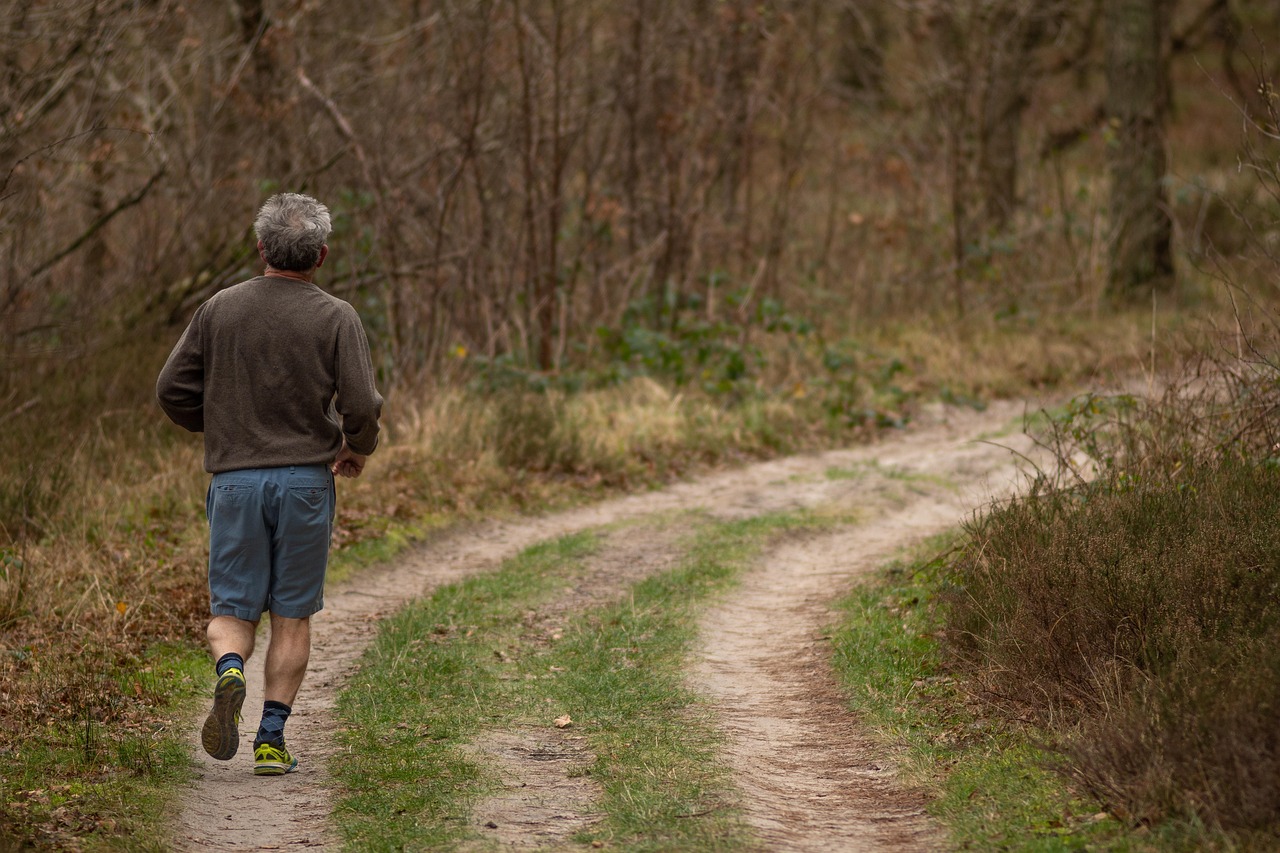
Variety is crucial when discussing running routes for older adults. Utilizing different paths can help maintain interest in their fitness routine and prevent boredom. Older runners may benefit from exploring routes that include a mix of trails, park pathways, and urban settings, which can provide both scenic views and stimulating environments. Regularly changing routes also encourages seniors to adapt to different terrains, enhancing overall agility and strength. Furthermore, this strategy reduces the repetitive impact on their muscles and joints, promoting better physical health over time. Choosing routes that incorporate nature, such as waterfronts or wooded areas, can increase enjoyment and create a calming atmosphere. Research supports the mental health benefits associated with exposure to green spaces, making natural routes advantageous. Additionally, varying distances can cater to differing endurance levels, allowing older adults to challenge themselves appropriately without overexerting. Lastly, routes that feature landmarks or interesting visuals can inspire seniors to engage actively with their surroundings, enhancing their running experience overall.
Weather conditions can significantly impact running routes, particularly for older adults. It’s crucial to take the climate into account when planning runs; extreme temperatures, whether hot or cold, can pose health risks. During colder months, seniors may require paths that are adequately cleared of ice or snow. In warmer climates, seeking shaded areas is paramount to avoid overheating. Opt for early morning or late afternoon runs when temperatures are typically cooler, thus ensuring safer conditions. A flexible approach is advisable, as weather can change unexpectedly, and having alternative routes prepared can prevent frustration. Additionally, incorporating indoor spaces, such as indoor tracks or gyms, can be an excellent fallback during extreme weather. Organizations might offer guided running sessions, ensuring seniors remain engaged in their fitness routines regardless of external conditions. Emphasizing season-appropriate clothing and adequate hydration can further safeguard seniors in varied climates. With strategic planning, seniors can manage physical activity effectively, enhancing their overall well-being without compromising safety due to weather challenges.
Accessibility for Seniors During Runs
Accessibility is a critical component in selecting running routes for older adults. It’s essential to choose pathways that cater to mobility needs, ensuring that all seniors, including those with assistive devices, can enjoy their exercise. Routes that consist of flat, paved surfaces allow for easy navigation and minimize the risk of falls. Avoiding steep hills and unmaintained paths further supports accessibility goals. Community involvement can often aid those looking for senior-friendly routes, especially in collecting feedback about local paths. Additionally, consider that access to transportation features is vital; seniors should be able to reach their running locations easily. Involving local governments in improving route accessibility ensures that community infrastructure supports the wellness of all residents. It may also be beneficial to survey seniors about their favorite and most accessible routes, allowing for better-informed choices. Recognizing accessibility challenges leads to more inclusive environments where older adults can participate in fitness alongside their peers. Inclusivity contributes to seniors’ self-esteem, empowering them to commit to a healthier lifestyle.
Creating a master plan for running routes can significantly impact older adults’ fitness journeys. Establishing objectives regarding which paths to utilize, frequency of runs, and preferred social settings can help seniors stay organized. A clear plan may include specific times for weekly group runs, designated locations for stretching, or guided sessions that promote best practices among peers. It can also delineate trail days versus urban runs to flush diversity into their routine. Additionally, mapping out routes can identify any necessary adjustments due to personal development; seniors can monitor their progress and gradually increase their distance or speed as they become more comfortable. Utilizing technology, such as running apps, can facilitate this planning process. Many apps also provide safety features like location sharing or contact notifications, enhancing seniors’ confidence in their running activities. Encouraging fellow seniors to join in on planning sessions can foster a sense of teamwork and enable learning from each other’s experiences. Ultimately, creating a structured plan allows for a more measurable approach to achieving physical fitness goals while enjoying the running experience.
Incorporating Local Attractions and Landmarks
A thought-provoking running route for older adults could include local attractions and landmarks. This approach can turn a simple run into an opportunity for cultural enrichment and sightseeing, making physical activity more appealing. If routes incorporate museums, historical sites, or local parks, seniors have the chance to engage with their community. Utilizing these landmarks can also introduce new challenges, such as different terrains or distances. For example, routes culminating at a popular café or a scenic viewpoint can provide natural points of interest during runs. Such an approach enhances motivation, transforming a casual run into an adventure. This method can also support local businesses by encouraging seniors to patronize stores or cafés along the route post-run. Highlighting routes that promote engagement within the community can create a sense of belonging, enabling seniors to appreciate their surroundings while enhancing their fitness levels. The synergy of physical activity and cultural exploration establishes running as a pleasurable, multifaceted experience that encourages long-term dedication and engagement with fitness.
In conclusion, choosing the right running routes for older adults involves a multifaceted approach. It’s crucial to prioritize safety and accessibility while encouraging social engagement and variety. Incorporating elements of community, nature, and accessibility ensures that older adults enjoy a fulfilling running experience, reaping physical and mental health benefits. Employing a strategic plan grants structure to their fitness journeys while recognizing the importance of adapting to local terrains and weather conditions. Additionally, introducing opportunities for cultural enrichment through landmark paths adds a layer of excitement to running routines. Lastly, gathering input from the senior community regarding their preferences can further inform route selection, fostering a sense of belonging and empathy. By implementing these strategies, local communities can create a healthy environment that encourages and celebrates the fitness initiatives of older adults. Establishing running routes that cater specifically to seniors allows for greater enjoyment, increased participation, and improved overall health. Communities should celebrate their older residents’ active lifestyles, making the running experience enjoyable, safe, and enriching. This holistic approach to senior fitness will sustain encouraging habits while promoting a collaborative atmosphere that uplifts everyone’s health.