
Cliff Diving Techniques: Mastering the Perfect Dive
Cliff diving is a thrilling sport that combines athleticism, skill, and nerve. It requires precise techniques to execute the perfect dive from heights that can reach impressive levels. Before attempting any dive from a cliff, proper preparation is crucial. Understanding your body mechanics and how they interact with water is essential. Training in gymnastics or diving can provide a solid foundation for the physical demands of cliff diving. Start with basic dives and gradually work your way up to more complex maneuvers. Visualizing your dive before performing it can significantly enhance your focus and performance. Safety must always be a priority; never dive from an unknown height without assessing the water conditions below. Factors such as depth, rocks, and tides need thorough examination to avoid accidents. Recommendations also suggest diving with a buddy, especially for beginners, to ensure that help is available in case of emergencies. Taking proper measures and being conscious of surrounding conditions will help enhance your cliff diving experience and ensure that it is both thrilling and safe.
One of the first techniques every budding cliff diver should master is the proper entry into the water. An ideal entry minimizes the impact your body experiences on hitting the water, allowing for a clean dive. The arms should be positioned above the head, creating a streamlined form. Keep your body straight and legs together, entering the water feet first to reduce resistance and protect your body. Timing is critical; jump with momentum but ensure you maintain control throughout the dive. As you gain confidence, practice varying your angles when entering the water. Angling your entry can produce different sensations and learning to adjust body position mid-air can enhance your aerial awareness. Always aim to avoid splashing upon entry, which can be distracting and diminish the elegance of your dive. Beginners may find it helpful to practice from lower heights where they can focus on their entry technique without fear of severe consequences. Analyzing videos of accomplished divers can provide insight into form and angles. Consistent practice will result in proficiency, making it easier to transition into more challenging cliffs.
Body Positioning for Optimal Performance
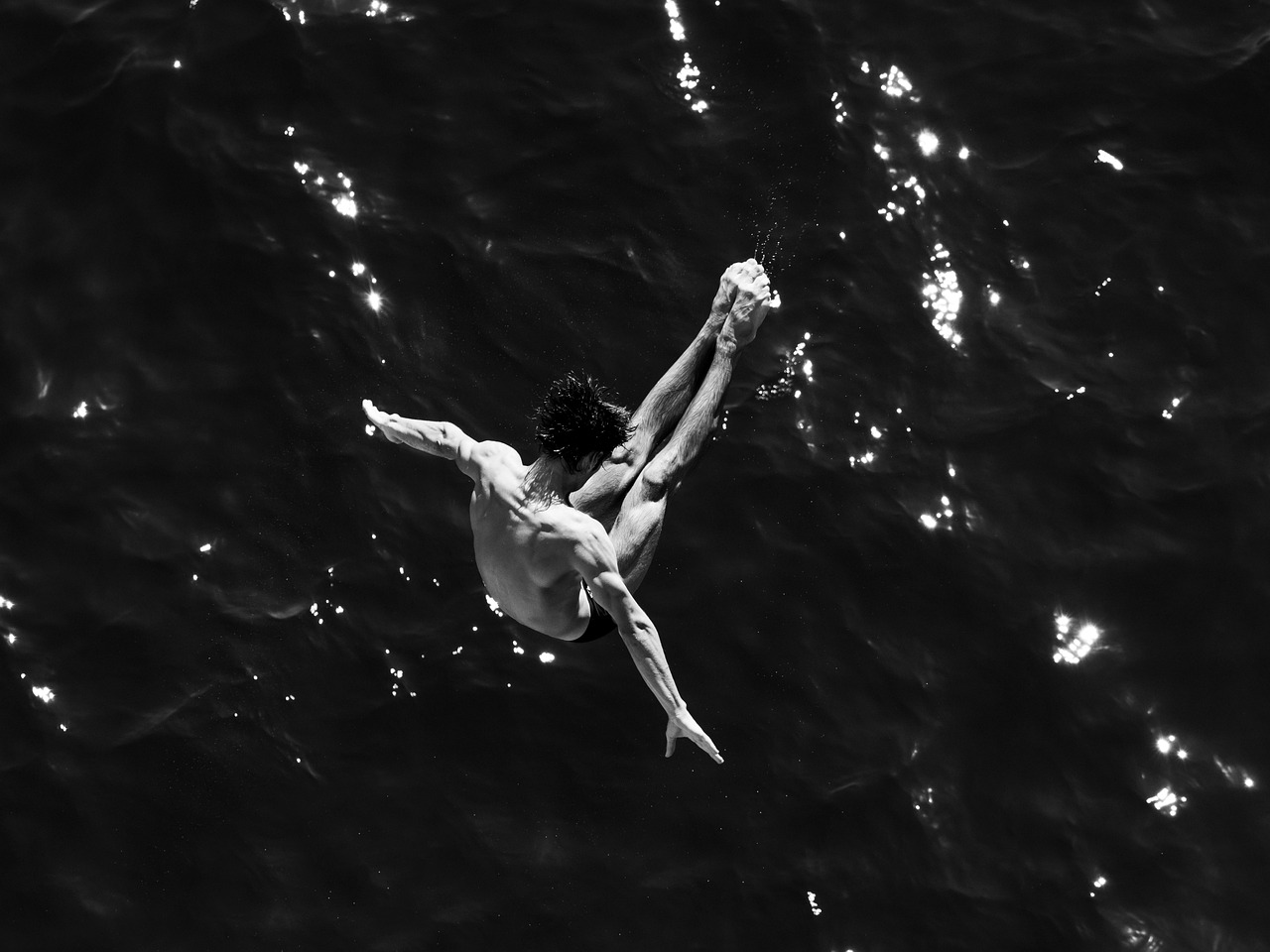
Body positioning in the air greatly influences the quality of your dive. Maintaining a streamlined posture reduces drag and promotes faster descents. Keeping arms tight to the body while in the pike position helps in executing spins and twists. A common mistake among novices is flailing limbs during free-fall, which results in increased drag and a less clean entry. Learning to control your body throughout the dive is often achieved through visualization methods and practice. Additionally, adjusting your final position before entering the water can significantly impact your form and reduce injury risk. Practicing somersaults and twists while training can add variety to your skill set and increase your aerial adaptability. Always initiate these movements far enough from the edge to have ample time in the air. In addition, today’s technology allows for personal drone footage that can help you see your form in the air. Be sure to include feedback from experienced divers who can offer valuable insights into improving your performance. This combination of practice, feedback, and visualization enhances body control, leading to a more impressive dive.
Enhancing your cliff diving skills also involves mastering the art of the takeoff. The takeoff is crucial as it sets up your entire dive. A strong, explosive jump can propel you farther and higher. Start by ensuring your foot placement is optimal on the edge of the cliff; this can greatly influence your momentum. Bend your knees slightly and explode upward as you launch off the cliff. Engage your core to maintain balance, ensuring stability during the initial exit. Remember, the taller the cliff, the more important a solid takeoff becomes. If you lose control here, it can affect your dive negatively. Practicing short jumps or dives from platforms can help simulate the explosive takeoff. Focus on achieving both height and distance with your launch to improve your dives. An optimal angle of around 45 degrees can give you the perfect trajectory. Start small and gradually work your way up to more difficult situations. It’s not just about jumping high; it’s also about how you prepare for each dive. Each dive must be approached with confidence and focus to master the takeoff.
Perfecting Aerial Control
Aerial control during a dive is an integral skill that can determine success. Controlling your body during descent can lead to a more graceful entry into the water. Initially, your focus should be on maintaining a straight body line while ensuring your legs are together. Once you are comfortable in the air, you can experiment with different flip angles and rotations. Utilizing the right technique is essential; applying an outward swing of your arms can lead to necessary movement in the legs, assisting in achieving various aerial maneuvers. As you perfect aerial control, you can work on increasing the complexity of your dives, building a repertoire of different styles. Practicing during different times and conditions can promote adaptation, leading to more skillful dives. It’s crucial to develop muscle memory through multiple consistent training sessions, allowing your body to respond instinctively. Footage from your training can be reviewed to understand aerial movements better. Compiling notes from each dive experience can help track improvement. Embrace each dive as a learning opportunity; learning from every attempt leads to mastery.
Cliff diving goes beyond just physical skills; mental preparation plays a significant role in achieving success. Building confidence is essential, as mental barriers can hinder performance. Visualization techniques have been shown to enhance mental readiness. Take the time to imagine each aspect of your dive, from the leap off the cliff to the entry into water. Practicing mindfulness or meditation can unify mental state and physical actions. Establishing a pre-dive routine helps trigger optimal performance. Focused breathing exercises can settle your thoughts and calm pre-dive jitters. Remember, every successful dive is rooted in confidence and clarity. Surrounding yourself with supportive individuals encourages growth and positivity, fostering an environment conducive to learning. Maintaining a logbook of your dives can help in setting personal goals. Reflect on past experiences and identify areas for improvement. Accepting that mistakes will happen is part of the learning journey. Each dive and experience should be treated as an opportunity for growth. As you confront these challenges, you’ll learn much more about your limits and abilities, ultimately becoming a more accomplished diver.
Conclusion
In conclusion, mastering the perfect dive in cliff diving is a journey that involves technical skill development and mental resilience. Taking time to focus on body positioning, entry techniques, and aerial control is crucial. All aspects, from takeoff to landing, require meticulous attention and practice. Balancing physical training with mental support ensures continued improvement. Embrace each aspect of your climb towards becoming an expert cliff diver, recognizing that every dive is a step forward. Analyze your technique, stay safe, and take calculated risks. As with many extreme sports, the thrill of diving is accompanied by significant responsibility, which must always be acknowledged. The remarkable views and adrenaline of cliff diving are rewards for a commitment to discipline and practice. By fostering a nurturing environment around your sport, you can grow alongside fellow divers while encouraging each other to push boundaries collectively. Remember, each diver develops their style, so keep experimenting to discover what works best for you. Over time, sustained practice leads to mastery. Keep diving, stay focused, and enjoy every leap into adventure!