
Top Adaptive OCR Events for Athletes with Disabilities
Obstacle Course Racing (OCR) has gained popularity, offering exhilarating experiences for athletes. Adaptive OCR provides opportunities tailored for individuals with disabilities. These races prioritize inclusion and accessibility, ensuring everyone can participate. There are various events designed specifically for adaptive athletes, creating a supportive environment. Athletes facing challenges can overcome barriers and enjoy a competitive yet friendly atmosphere. Events are held in various locations, allowing access to wider communities. Participants can vary significantly in skills and abilities, making each race unique. Many OCR events incorporate specialized equipment, such as adaptive wheelchairs or climbing aids, ensuring fair competition. Through these innovations, adaptive athletes can engage fully. Spectators often admire their resilience and determination, further promoting inclusivity in sports. Furthermore, local awareness about adaptive opportunities is rising, encouraging more participants. Social networks play a crucial role in sharing experiences and challenging misconceptions. Overall, adaptive OCR events are not just competitions; they promote a culture of empowerment, resilience, and community support. Organizations are continually exploring new methods and strategies to enhance accessibility and experience for all athletes. Join the movement and support adaptive OCR initiatives wherever possible.
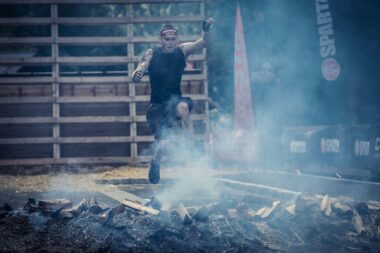
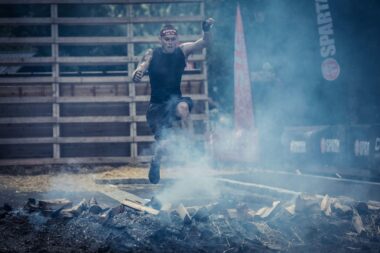
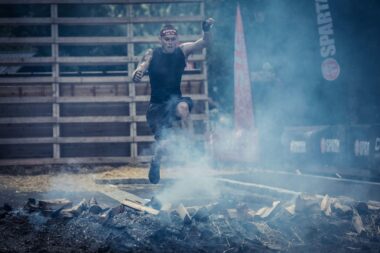
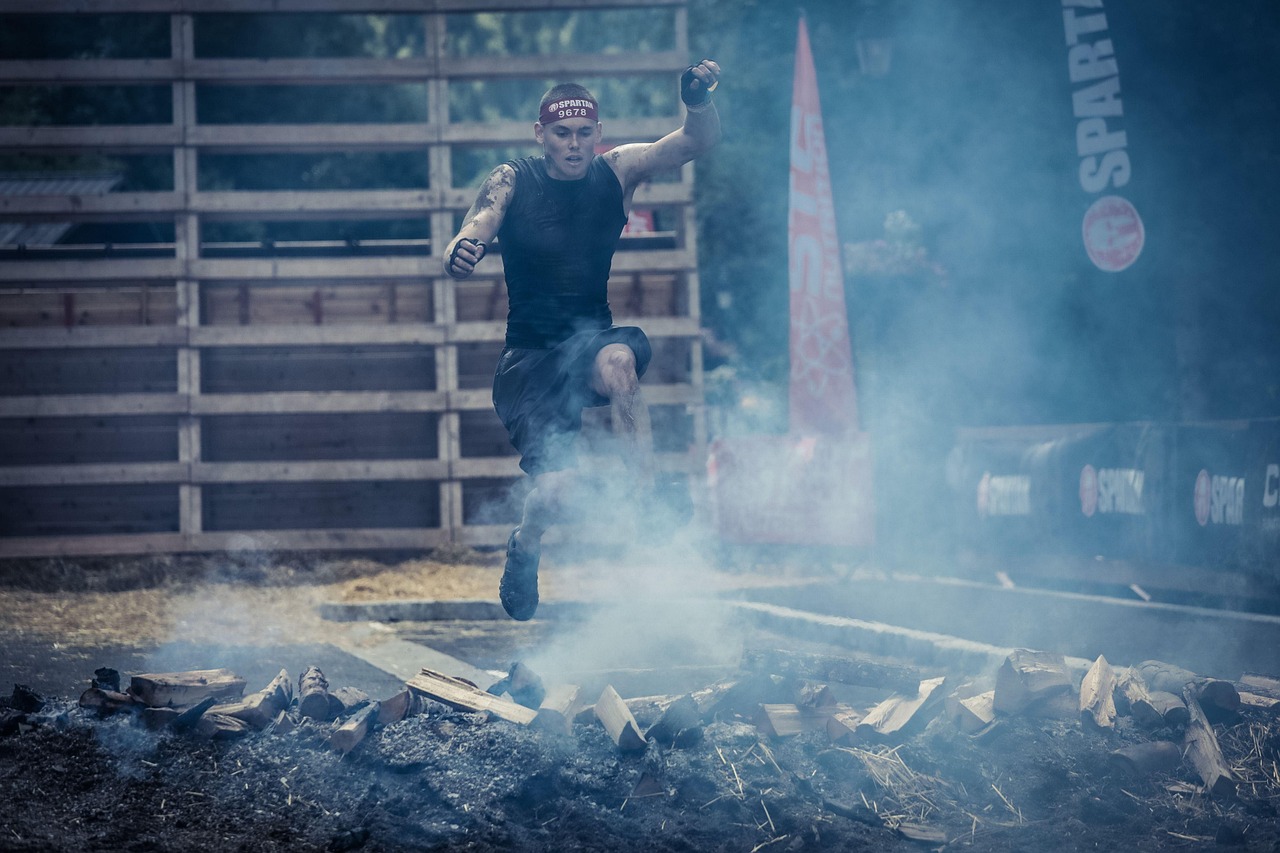
As interest in Adaptive OCR grows, notable events exemplify excellence in inclusivity for athletes with disabilities. One prominent event is the Spartan Race, known for its challenging courses. Spartan has expanded to ensure adaptive options for participants. This includes specially designed courses, equipment, and support systems for athletes. The Mudderella is another fantastic event. Here, women of all abilities come together to challenge themselves. Adaptive Mudderella events focus on providing modified obstacles for inclusive experiences. The Gladiators of the OCR community celebrate grit and determination, showcasing adaptive athlete triumphs. Competitors demonstrate incredible feats of strength and endurance, inspiring others. Additionally, several regional events shine for their inclusive features, such as the American Ninja Warrior. This incorporates diverse challenges designed for various skill levels. Various organizations partner with facilities to ensure accessibility, making participation more attainable. Training programs preceed events, helping athletes prepare adequately for challenges. Community support enhances the atmosphere, creating friendships and teamwork among competitors. Moreover, social media channels boast inspiring stories, enhancing global visibility. If you’re an athlete or supporter, discover local events in your area. Engaging in this thrilling experience is an excellent opportunity to build connections.
Innovative Approaches to Accessibility
Accessibility innovations in OCR events have changed the landscape for adaptive athletes. Advanced technology plays a significant role. For example, races increasingly use custom-designed obstacles to include diverse abilities. These efforts ensure everyone can experience competition firsthand. Volunteer programs also provide support, assisting in navigating challenges. Various organizations focus on enhancing communication, understanding athletes’ unique needs. Partnering with experts helps implement strategies proactively. Events frequently incorporate feedback from adaptive participants. They are continuously evolving to improve experiences for everyone involved. Equipment advancements, such as adaptive wheelchairs and prosthetics, further contribute to athlete success. This enhances movement capabilities on the course, reducing barriers. Inclusive training sessions also empower athletes, offering skill-building opportunities pre-race. Local fitness communities host workshops, allowing adaptive athletes to practice. Furthermore, collaboration with local sports authorities amplifies outreach, promoting guided sessions. Increased awareness leads to increased participation in adaptive OCR. Such positive experiences encourage friendships and teamwork, enriching the community. Spectators benefit, too! They are often inspired by witnessing athlete determination, enhancing the event atmosphere. Both athletes and spectators share rewarding experiences that celebrate strength and determination through inclusion.
Another exciting aspect of adaptive OCR events is their community-building characteristics. These events unite individuals, fostering lasting connections through shared experiences. Participants often find friendships that extend beyond the races. Social gatherings and meetups are frequently organized. This helps athletes and their supporters connect, share stories, and build motivation for future events. Volunteer efforts in OCR races allow participants to engage with their community meaningfully. It creates a supportive network, where shared goals foster camaraderie. Coaches often become mentors, offering expert guidance throughout the journey. They work closely with adaptive racers, tailoring strategies according to individual needs and strengths. Success stories from adaptive athletes encourage further participation. These inspiring narratives highlight achievements and showcase determination despite challenges. Moreover, they often empower others in similar situations to pursue their dreams. Competitors also advocate for more opportunities in sport, showcasing the need for enhanced accessibility. Public awareness campaigns amplify these voices. Moreover, partnerships with local businesses create sponsorship opportunities for adaptive athletes. Together, they contribute to event viability, enabling broader-reaching races. Enhanced support systems solidify community initiatives, resulting in increased participation and shared success stories that uplift the entire adaptive sports community.
Training for Adaptive OCR
Proper training is critical for success in adaptive OCR events. Coaches specially trained in adaptive methodologies play essential roles in developing athlete abilities. They create training routines tailored to individual needs, considering the unique challenges each athlete faces. To prepare adequately, athletes engage in drills that focus on strength, endurance, and obstacle navigation skills. Collaborative sessions create opportunities for athletes to share insights and techniques. Cross-training often aids in developing overall physical fitness, enhancing performance on race day. Regular workshops and clinics further boost athletes’ skills. These events provide hands-on training and guidance in adaptable techniques. Additionally, many veterans in OCR also share their experiences, offering valuable insights to newcomers. Adaptive athletes invest significant time in both physical and mental preparation. Mental resilience can impact overall race performance, making mental conditioning tactics essential. Fostering a winning mindset is crucial for success, especially when facing obstacles. Breathing exercises and visualization techniques often help athletes maintain focus during competition. Support from family and friends also plays an integral part in motivating athletes throughout their journey. Together, they create an encouraging environment where adaptive athletes can thrive, pushing boundaries on both emotional and functional levels.
As the movement for adaptive inclusion strengthens, so does the push for increased awareness of the sport. Social media platforms continue to amplify athletes’ voices, sharing their experiences and highlighting achievements. Inspiring stories showcased digitally engage a diverse audience, encouraging new participants. Various online campaigns aim to educate the public about adaptive OCR opportunities. One powerful aspect is the role of sponsorship in enhancing adaptive sports visibility. When businesses support adaptive athletes, they signal a commitment to diversity and inclusion. This also leads to more funding for events, improving accessibility features and ensuring they are safe for all. Communities are coming together to celebrate athletes’ determination and resilience. Charity events and fundraisers for adaptive OCR initiatives resonate deeply within local populations. As the movement continues to gain traction, increased participation becomes apparent. Schools increasingly implement OCR-inspired programs within their physical education curriculum to promote inclusivity from an early age. Furthermore, universities develop dedicated adaptive sports teams, leading to fresh opportunities for hundreds of students. Ultimately, the success of adaptive OCR events signifies a brighter future for athletes with disabilities. With ongoing progress and awareness, the possibilities for these champions are limitless.
Conclusion: The Future of Adaptive OCR
The future of adaptive OCR events appears promising as advocacy continues to grow. Sustained efforts will help push for better accessibility and inclusion in OCR races worldwide. The community is committed to breaking barriers and ensuring that adaptive athletes have equitable resources. As technology advances, innovative solutions emerge to enhance engagement opportunities. Moreover, partnerships forge between organizations and communities, solidifying commitment to inclusivity. Events are expected to grow in size and participation, building a more prominent platform for adaptive athletes. Additionally, as more individuals join races, opportunities for sponsorships increase, enabling more funds to be allocated for adaptive initiatives to thrive. Organizations are launching training programs aimed at coaches and event organizers, emphasizing adaptive methodologies and strategies in OCR. Sharing best practices will further enhance participant experiences on race day. Social awareness campaigns about disability-friendly events also thrive, encouraging broader participation. Through collaboration, athletes equip themselves to tackle new challenges. The warmth and encouragement within this community will continue to inspire both athletes and spectators alike. In summary, adaptive OCR events will pave the way for an inclusive future, celebrating the strength and resilience of extraordinary athletes.