
Using Wearable Tech to Improve Outcomes in Sports Injury Therapy
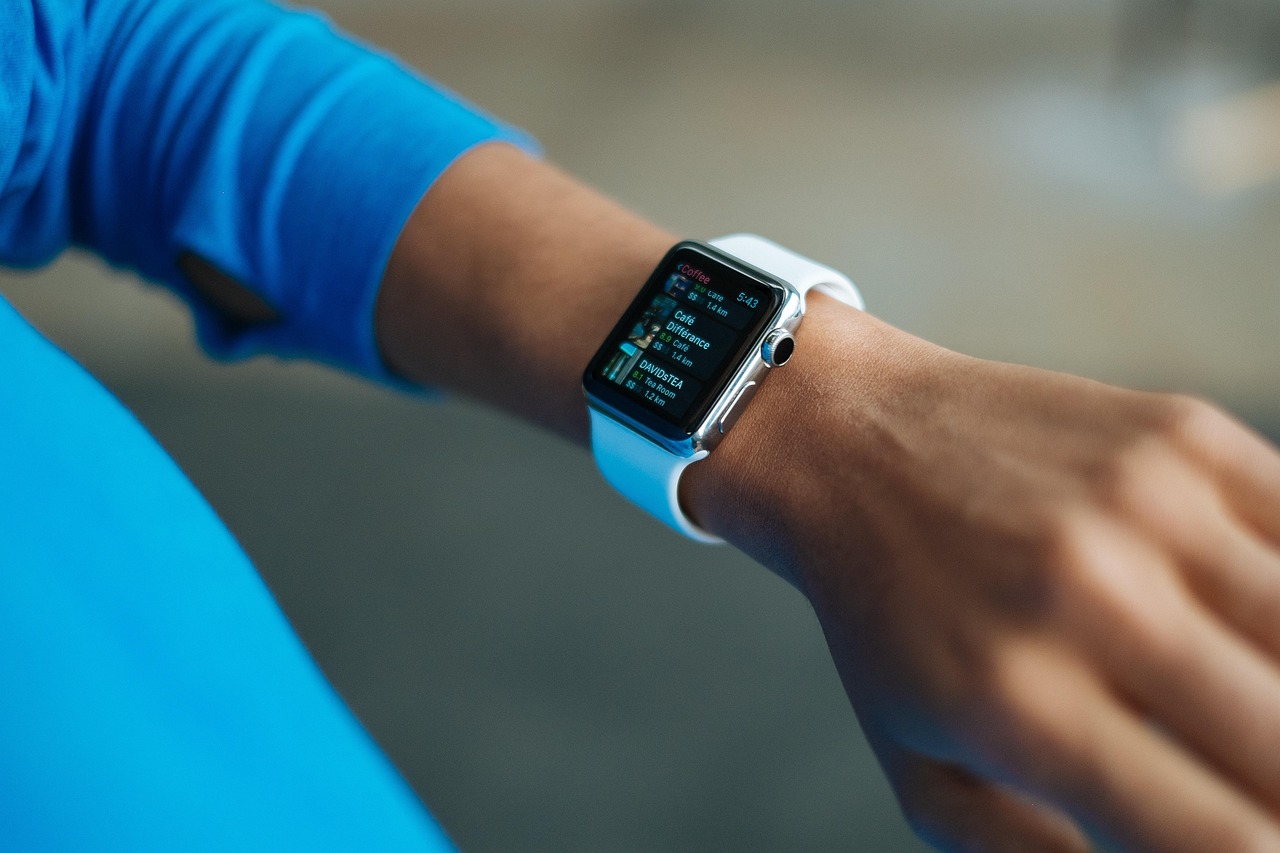
Wearable technology has transformed rehabilitation and therapy for sports injuries, providing athletes with personalized care and enhanced recovery options. These devices incorporate advanced sensors that track movements, monitor vital signs, and analyze performance metrics, allowing therapists to tailor rehabilitation programs specifically to individual needs. By gathering real-time data, wearables empower healthcare professionals to assess recovery progress accurately and make informed decisions. Athletes can receive immediate feedback during therapy sessions, enabling them to modify their techniques or intensity levels as required. As wearables become more integrated into rehabilitation, practical applications expand. Notably, advanced algorithms analyze data to predict the likelihood of re-injury. This proactive approach not only optimizes recovery but also enhances athletes’ confidence in their physical return. Research indicates that athlete engagement and motivation rise when they can visualize their rehabilitation success, encouraging adherence to therapeutic protocols. Advanced wearables can also facilitate remote monitoring, connecting athletes with therapists seamlessly regardless of geographical boundaries. This integration ultimately enhances accessibility to quality care, ensuring athletes receive timely support during their rehabilitation journey.
The Role of Data in Recovery
Data collection is pivotal in optimizing sports injury recovery within rehabilitation programs. Wearable tech accumulates various metrics, such as heart rate variability, movement patterns, and muscle activation levels. This information is invaluable for tailoring rehabilitation strategies that specifically address an athlete’s unique challenges. Therapists can utilize this data to build personalized training regimes aimed at improving areas of weakness or compensating for injuries. Analysis of data trends over time allows healthcare professionals to determine the efficacy of different therapies, adjusting protocols appropriately based on immediate feedback. Athletes benefit from this data-driven approach, as it empowers them to actively participate in their recovery. By understanding their progression and recovery parameters, athletes can visualize their healing journey. Furthermore, wearable devices promote accountability, encouraging athletes to stick with their rehabilitation plans. Integrating user-friendly interfaces and mobile applications enhances accessibility, allowing athletes to track their progress conveniently. As athletes stay engaged through continuous monitoring, this leads to improved outcomes overall. Robust data analysis correlates with accelerated recovery, better performance, and reduced risk of future injuries, providing substantial benefits for those recovering from sports-related trauma.
Safety and injury prevention are critical aspects of sports injury rehabilitation. Wearable technologies significantly contribute to minimizing risks associated with returning to sports post-injury. Many devices offer real-time feedback regarding an athlete’s performance and biomechanics, alerting them to potentially harmful movements that could exacerbate their injuries. For instance, wearables can monitor stride length, joint angles, and overall agility, comparing these metrics against established safe thresholds. When deviations arise, athletes can receive immediate alerts, allowing them to adjust their movements before sustaining further injury. Additionally, these tools foster educational opportunities, teaching athletes about their body’s mechanics and the importance of injury prevention strategies. By instilling knowledge and awareness, athletes are encouraged to adopt safer training practices. Ultimately, this preventative measure enhances their long-term physical well-being. The aggregated data collected from wearables also contributes to injury prevention research by identifying common patterns and risk factors prevalent in specific sports. This information facilitates further development in wearable technology, shaping future innovations and rehabilitation strategies aimed at ensuring optimal athlete safety.
Training and Rehabilitation Integration
Integrating training and rehabilitation through wearable technology greatly enhances athletes’ recovery pathways. While traditional rehabilitation focuses on healing, wearables facilitate a smoother transition into performance training. Technology enables athletes to gradually reintroduce themselves to training regimens that match their recovery status without overstressing their injuries. For instance, while recovering from a lower leg injury, athletes can wear devices that track load management during exercises, minimizing strain on affected areas. Adjusting workload dynamically is possible through reported metrics, marking a significant advancement in rehabilitation protocols. These instruments create an environment that blends therapy with training, optimizing transition phases that often lead to injury setbacks. Moreover, the psychological aspects of recovery must be addressed. Integrative approaches involving wearables can enhance athletes’ mental readiness by providing actionable insights that build confidence. Evidence reveals that when athletes perceive they are working within safe limits, their fear of reinjury diminishes. By empowering athletes through educational resources regarding their metrics, they develop a deeper understanding of their bodies. Consequently, they become more invested in rehabilitation while eagerly anticipating their return to full competition levels. This holistic integration provides enhanced outcomes in injury recovery and preventative measures.
Wearables are shifting the paradigm of post-injury recovery by fostering a culture where tech aids in performance recovery. As healthcare evolves, so does the demand for accommodating athletes’ needs during therapy. The wearable tech landscape offers solutions that share data seamlessly across platforms, integrating with athletic performance databases and coaching software. This interconnected ecosystem enhances communication between therapists and coaching staff, ensuring comprehensive care from injury to recovery. By continuously monitoring an athlete’s progress, therapists can identify potential setbacks or barriers early in the recovery process, allowing for timely interventions. Additionally, athletes benefit from learning how to adapt their training responsibly based on rehabilitation insights derived from wearables. This synergy between therapy and coaching enriches the rehabilitation process as athletes cultivate an understanding of their limitations while developing skills to prevent future injuries. The inclusion of wearables provides vital resources that help athletes build upon their strengths while concurrently addressing vulnerabilities revealed through consistent data analysis. Ultimately, this integrated care model reshapes the narrative surrounding injuries, transforming potential setbacks into growth opportunities.
Future Trends in Wearable Technologies
As wearable technology continues to advance, so does the potential for enhancing rehabilitation processes. Future innovations may grant even more precise tracking capabilities, refining athletes’ recovery pathways further. Emerging technologies, including AI-driven analytics, could offer predictive tools that anticipate complications before they occur, making rehabilitation proactive rather than reactive. Enhanced sensors could also monitor biochemical markers integral to recovery, providing insights into muscle fatigue and recovery times that standard metrics cannot address. Additionally, exploring virtual and augmented reality may play an important role in rehabilitation by creating immersive environments for athletes to practice movements safely. This integration could engage athletes positively while offering a stimulating way to address healing. Furthermore, enhancing data privacy is critical as wearables evolve, ensuring athletes’ confidentiality remains paramount. As technology continues to transform healthcare, maintaining a balance between innovation and privacy becomes crucial. By embracing these trends, the future of wearable technology holds promise in fostering more effective rehabilitation strategies while empowering athletes to reclaim their strength and confidence.
The adoption of wearable technology within sports injury therapy illustrates a significant shift toward personalized and data-driven healing practices. As athletes embrace this technology, they become more aware of their physical needs, leading to improved outcomes and greater confidence in their recovery. Empowering both therapists and athletes with robust data leads to more precise, tailored protocols that address unique injury challenges. This collaborative approach invites an entire spectrum of support encompassing the athlete’s necessary guidance during rehabilitation and transition back to competition. Users experience an added advantage of being part of a data-informed strategy, reinforcing that better recovery practices exist. With a mindset attuned to continuous improvement, athletes are not only recovering but thriving. Ultimately, the future of rehabilitation is bright, driven by innovations in wearable technology. This evolution heralds enriching rehabilitation programs designed to cultivate long-lasting relationships between athletes and therapists while minimizing injury risks. As athletes adapt to this emerging era of care, the possibilities of enhancing performance and recovery are limitless, paving the way for a new generation of safer sports experiences where technology and human resilience intersect.
Conclusion
In conclusion, wearable technology is undoubtedly transforming the landscape of sports injury therapy, enriching the rehabilitation experience for both athletes and therapists. The remarkable capability of these devices to provide real-time data is changing healthcare practice, encouraging proactive management of injuries. The integration of wearable tech into rehabilitation signifies a commitment to athlete safety and well-being, reflecting the growing understanding that technology can positively impact traditional care methods. As wearables become more sophisticated, the future holds innovative possibilities for tailored recovery approaches that systematically address each athlete’s unique needs. Continuous engagement through personal metrics fosters a deeper relationship between athletes and their rehabilitation protocols, encouraging them to embrace recovery with enthusiasm. Overall, as technology enhances rehabilitation processes, the journey from injury to complete recovery becomes more efficient and empowering. With advancements in wearables enhancing communication among sports medicine professionals, athletes will reap the benefits of outstanding medical insights, ultimately leading to safer and more enjoyable sports participation. The collaboration between athletes, healthcare providers, and wearable technologies signifies a promising direction in sports health and recovery paradigms, emphasizing the vital role of technology in achieving optimal athletic performance.