
Coaching Youth Players: Building Skills and Confidence Early
Table tennis, often known as the sport of agility, demands not only quick reflexes but also considerable mental resilience. Coaches working with youth players have a unique opportunity to build foundational skills that shape their future in the sport. It is essential to create a balanced training program that encompasses fundamental techniques, strategy, and physical conditioning. A successful program should incorporate fun drills, emphasizing coordination and hand-eye skills. Coaches might consider including games that enhance competitive spirit while fostering cooperation. mentors should focus on providing continuous feedback to reinforce positive actions and encourage development. Establishing a supportive environment fosters confidence, which is critical in youth sports. Players can explore their abilities in a relaxed atmosphere that permits mistakes as part of learning. For effective coaching, it is also crucial to set individualized goals tailored to each player’s abilities. Encouraging self-reflection frequently leads to better self-awareness among players. Engaging parents in the coaching process can further enhance motivation and skill development. Lastly, coaches must prioritize the holistic development of the player by focusing not only on skills but also on life’s lessons learned through sport.
Having fun is a vital aspect of youth sports, particularly in table tennis coaching. Young players should enjoy the experience while developing their skills. An approach that balances competitiveness with enjoyment can optimally engage players. Coaches need to adapt their methods to ensure each session includes enjoyable elements, which contribute positively to the motivation of young athletes. Introducing fun drills and game-like scenarios can increase enthusiasm and promote active participation. Engaging players’ interests through a variety of activities helps prevent burnout commonly observed in youth sports. Additionally, recognizing individual preferences can foster a love for the game, making every practice session worthwhile. Coaches can also create tournaments or friendly matches to form community bonds and make the sport more exciting. Regularly changing training routines ensures players stay engaged and excited to practice. Incorporating music during drills can uplift the mood and create a lively atmosphere. Moreover, celebrating milestones and progress, no matter how small, reinforces a player’s commitment to growth. By crafting enjoyable experiences, coaches not only build skills but also instill lifelong love and appreciation for table tennis.
Developing Technical Skills in Table Tennis
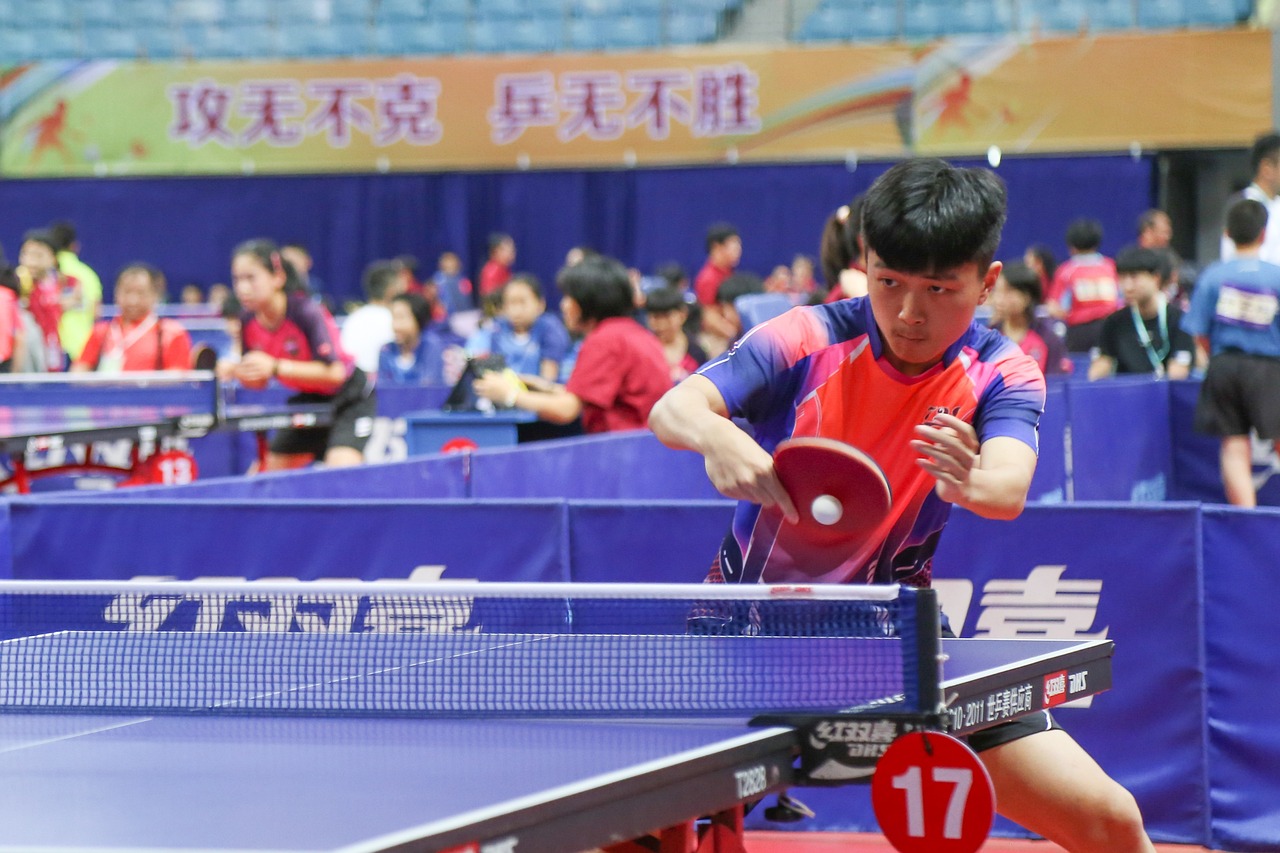
Technical skill development is paramount for young table tennis players aspiring to excel in the sport. Understanding grip techniques, footwork, and stroke mechanics forms the bedrock of a competent table tennis player. Coaches should conduct repetitive drills focused on mastering the basics, allowing young athletes to develop muscle memory essential for effective performance. Fostering a strong foundation in skills such as the forehand and backhand strokes will lead to greater success during matches. Coaches must encourage players to practice various spins, emphasizing their significance in competitive play. Incorporating shadow swings into routines helps players visualize movements without the immediate pressure of competition. Integrating tactical game scenarios can also improve decision-making skills under pressure. Small-sided games provide an arena to practice skills against live opponents, developing adaptability and live-game execution. Regularly assessing each player’s technique ensures timely adjustments and improvement. Utilizing video analysis to break down performance can offer valuable insights into areas for enhancement. Through structured technical training, young athletes gain confidence in their abilities, setting a solid groundwork for advanced competitive play.
Building mental resilience in youth players is key to their overall development in table tennis. Mental strength involves coping strategies, focus, and an understanding of sportsmanship. Young athletes face various challenges in competition, making it crucial for coaches to instill coping mechanisms that promote a positive mindset. Techniques such as visualization prior to matches can help players imagine successful outcomes. Teaching young players relaxation techniques is equally important as it aids in performance under pressure situations. Additionally, developing a routine before matches can create a sense of familiarity and control. Encouraging players to analyze their performance constructively promotes a growth mindset over one focused on immediate outcomes. Moreover, involving parents and guardians in discussions about sportsmanship helps reinforce positive attitudes and behavior. Addressing failures and setbacks with understanding and growth opportunities supports emotional maturity and resilience over time. Coaches should remind players that mistakes are parts of the learning process. Finally, fostering an atmosphere where players value effort and persistence over mere wins cultivates a more profound passion for the sport and a resilient athlete ready to face any challenge.
The Role of Strength and Conditioning
Incorporating strength and conditioning into table tennis coaching for youth players significantly enhances performance. While table tennis may not seem as physically demanding as some sports, building strength, speed, and endurance is critical. Coaches should design programs that emphasize core stability, leg power, and agility, essential for effective footwork and quick reflexes. Age-appropriate training that prioritizes injury prevention techniques will facilitate a healthier adaptation to physical demands. Incorporating plyometrics, resistance training, and aerobic exercises can improve overall athleticism. Additionally, coaches must tailor conditioning programs to match each player’s developmental stage, ensuring exercises align with their growth and capacity. Session interval training can be beneficial in mimicking match conditions, enhancing endurance and stamina over time. Importantly, rest and recovery routines hold equal weight in an athlete’s physical regimen, preventing burnout and injuries. Teaching kids the importance of stretching encourages better flexibility and injury prevention. Emphasizing a balanced diet also complements their physical development, enabling sustained energy levels. Through a comprehensive strength and conditioning plan, table tennis players can develop the physical qualities necessary for excelling in competitions.
Communication plays a critical role in the relationship between coaches and young athletes in table tennis. Coaches must establish open lines of communication, ensuring players feel comfortable sharing concerns and experiences. Creating an environment where players can ask questions fosters trust and enhances coach-athlete rapport. Regular feedback sessions are valuable for assessing progression and addressing areas that need focus or improvement. Coaches should prioritize constructive criticism while also recognizing achievements to motivate players. Encouraging self-assessment should assert player accountability for their development. As young athletes grow, it is vital for coaches to encourage players to set realistic goals and openly discuss their aspirations. Involving parents in this communication, ensuring they understand their child’s goals, can significantly aid in fostering a supportive home environment. Additionally, maintaining clarity in coaching philosophies allows players to understand practices and strategies better. Instilling communication skills, such as teamwork and collaboration, further enriches social skills that benefit young athletes beyond the court. Ultimately, effective communication creates a positive learning atmosphere, making it fundamental to the success of youth table tennis coaching.
Conclusion: Lifelong Values Through Sports
Table tennis coaching for youth players extends far beyond skill development and competition. It plays a significant role in teaching lifelong values and character traits essential for personal growth. Players learn the importance of discipline through regular practice and commitment to improvement. Sportsmanship instills respect for opponents, fostering empathy in all aspects of their lives. Moreover, the friendship developed with teammates enhances social skills, leading to long-lasting relationships built on shared experiences. Coaches should emphasize the value of perseverance, teaching players to face challenges head-on and learn from adversities. Additionally, table tennis can cultivate leadership skills; young athletes learn to take responsibility, whether in individual or team settings. Participation in sports encourages a healthy lifestyle choice, potentially influencing dietary and exercise habits for years to come. The emotional intelligence developed through sports realization will help shape relationships and life decisions outside competitive environments. Lastly, instilling a passion for table tennis ensures that athletes will continue to explore the sport recreationally, fostering community engagement. In conclusion, youth table tennis coaching blossoms the foundation for success both on and off the court.
This is a paragraph with exactly 190 words…