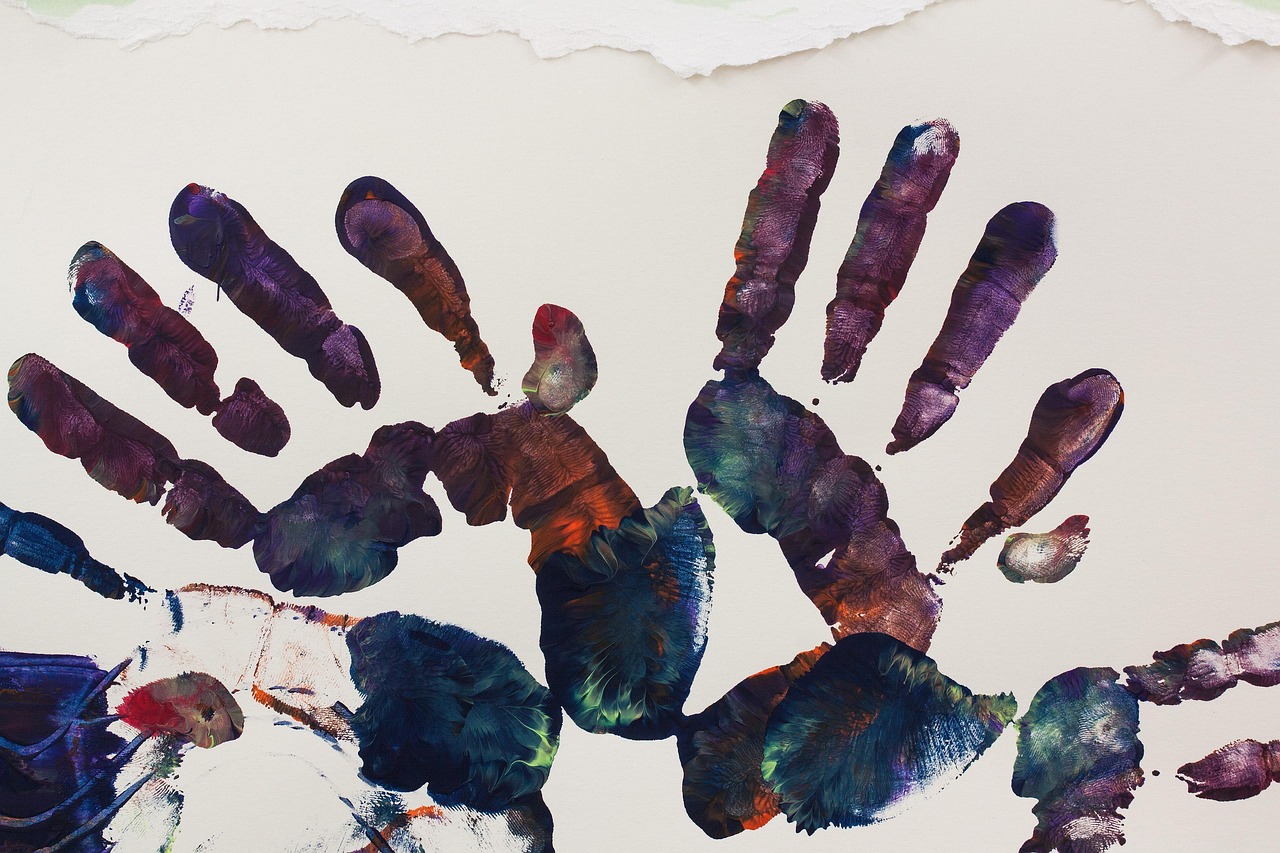

Creative Expression and Its Benefits for Athlete Motivation
Art therapy serves as a unique outlet for athletes, facilitating creative expression that can enhance mental and emotional well-being. Engaging in artistic activities allows athletes to channel their feelings, reducing stress and anxiety commonly experienced in high-performance sports. The process of creating art encourages athletes to explore their inner selves, leading to greater self-awareness and clarity. Through techniques such as drawing, painting, and sculpting, athletes can better articulate their emotions. This creative process fosters a sense of accomplishment and boosts confidence. Furthermore, art therapy helps in developing coping strategies, essential for managing the pressures of competitive sports. It encourages athletes to reflect on their experiences while providing a safe space for vulnerability. Creating art can also function as a form of mindfulness, enabling athletes to live in the moment, which is crucial for peak performance. Ultimately, art therapy contributes positively to athletes’ mental health. It helps them navigate the psychological challenges they face, making them more resilient and adaptable. As they harness their creativity, athletes can find renewed motivation and inspiration in their training and competition. Overall, art therapy is a powerful tool in enhancing athletic performance.
Art therapy promotes creativity among athletes, which can lead to improved focus and motivation. When athletes engage in creative arts, they stimulate different areas of the brain, which may not be actively engaged during traditional training. This stimulation can ignite new ways of thinking and problem-solving on and off the field. Moreover, creative expression provides athletes with a fresh perspective, allowing them to break free from mental blocks. This can be particularly beneficial during training when motivation dips. Additionally, creating art serves as an excellent way to relieve burnout and fatigue associated with rigorous training schedules. It encourages athletes to step back from their daily routine, re-energizing their minds and bodies. In turn, this renewed energy can enhance their performance and drive for excellence. Artists, including athletes, often find that a departure from routine tasks invigorates their skills and passion. Sharing creative work can also foster deeper connections with teammates, enhancing camaraderie among individuals. Such relationships are critical in competitive environments, as they promote a supportive atmosphere. Consequently, art therapy not only nurtures individuality but also reinforces teamwork, vital for achieving collective goals in athletics.
The Role of Self-Expression in Sports
Self-expression is fundamental for athletes, as it allows them to communicate both their triumphs and struggles. Artistic endeavors serve as a platform for this expression, enabling athletes to depict their journey visually. Whether through painting, writing, or music, athletes can convey their stories, leading to personal insights and growth. By embracing their creativity, athletes can confront their emotions rather than suppress them, ultimately leading to improved mental health. This self-reflection process can decrease feelings of isolation and loneliness often experienced in competitive sports. Additionally, expressing oneself through art can be empowering; it encourages athletes to take ownership of their narratives. This newfound perspective can translate to increased motivation during training and competition. Moreover, athletes who engage in artistic practices often report higher levels of satisfaction in their overall life experience. They learn to derive joy from the process itself rather than just focusing on external validation. This approach can enhance their resilience and strength, driving them to excel in their particular sport. Consequently, art therapy plays a transformative role in fostering a healthier mindset and boosting motivation in athletes.
Integrating art therapy into training programs can further enhance athlete motivation and performance. Coaches and sports psychologists are increasingly recognizing the importance of mental and emotional support in athletes’ overall development. Offering opportunities for athletes to engage in creative activities helps to nurture their mental resilience. Program leaders can organize workshops that incorporate artistic activities, allowing athletes to freely express their thoughts. This integration fosters an environment where athletes can share their experiences, creating a supportive community. This facilitates peer-to-peer connections while promoting collective growth among team members. Besides, empowering athletes with creative tools can lead to innovative strategies for tackling challenges in their sport. Encouraging athletes to collaborate on group art projects also develops teamwork skills and strengthens bonds. These interactions can ultimately translate into better performance in competitive situations. The positive impacts of art therapy extend beyond the practice field, as they can encourage lifelong skills and coping mechanisms. Athletes can carry these insights and strategies into future endeavors, whether in sports, education, or personal life. Hence, the implementation of art therapy not only boosts athletes’ motivation but also equips them for long-term success beyond their athletic careers.
The Connection Between Art and Mental Health
Research has shown that engaging in art can profoundly affect one’s mental health, particularly for athletes in high-pressure environments. Creating art acts as an emotional release, allowing athletes to process their feelings in a constructive manner. This process can aid in reducing anxiety, depression, and stress, all of which can affect athletic performance. Athletes often face immense pressure to perform, making it crucial for their mental well-being to engage in activities that positively influence their psychological health. Art therapy provides that essential outlet by promoting creativity and imagination, which can be therapeutic. The act of creating something physical can ground athletes, redirecting their focus away from negative thoughts. Importantly, studies have indicated that athletes who participate in art therapy often report feeling more empowered and better equipped to handle life’s challenges. They learn that it’s okay to express vulnerability, ultimately leading to enhanced emotional intelligence. This emotional growth not only benefits the athlete’s mental health but also has implications for their performance, motivation, and interpersonal relationships. In summary, the connection between art and mental health is synergistic, fostering resilience and positivity.
Furthermore, incorporating art therapy into support programs for athletes can significantly improve their coping strategies. Athletes often face unique challenges, including public scrutiny, injuries, and the pressure to perform at peak levels consistently. These stressors can lead to burnout and decreased performance if uncontrolled. Art therapy offers a creative mechanism for athletes to cope with these stressors, enabling them to express their feelings and thoughts without judgment. Engaging in art-making can help athletes to articulate their struggles, providing them with a sense of clarity. This practice encourages a healthier dialogue about mental health, helping to destigmatize feelings related to anxiety and depression. Additionally, art allows athletes to celebrate their victories, further motivating them to strive for excellence. By facilitating this balanced emotional expression, art therapy fosters a holistic approach to athlete development. Coaches and administrators must recognize the importance of integrating such supportive initiatives into athletic programs. By doing so, they promote the athlete’s overall well-being and functional excellence in the sport. This leads to better experiences and results in competition, ultimately elevating the sport itself and establishing a healthier environment.
Conclusion: The Lasting Impact of Art Therapy
In conclusion, the benefits of art therapy for athletes extend far beyond immediate creative expression. By engaging in artistic pursuits, athletes can cultivate a deeper understanding of their motivations, enhance mental resilience, and foster meaningful connections with others. This multifaceted approach not only supports their sporting endeavors but also leads to personal growth and better overall well-being. The legacy of art therapy is profound, encouraging athletes to express themselves in ways that traditional training methods do not provide. Moreover, the integration of art therapy into athletic programs highlights the value of mental health in the world of sports. As we continue exploring innovative ways to support athlete development, art therapy should be seen as a vital component. Encouraging athletes to embrace their creativity can pave the way for enhanced performance and personal fulfillment. It serves as a reminder that sports are about more than just physical prowess; mental and emotional health is equally important. Thus, as we look toward the future, incorporating art therapy into athlete training is essential for fostering a healthier, more motivated generation of athletes.
Initiatives advocating for creative expression only continue to grow. Whether through workshops or group sessions, the future of art therapy in athletics looks promising. Many organizations are beginning to prioritize mental health initiatives, recognizing their direct link to performance. By investing in the emotional well-being of athletes through creative outlets, sports can evolve into a more holistic undertaking. This evolution encourages a culture of support, empathy, and understanding within athletic communities. As athletes find solace in art therapy, they often report increased motivation, persistence, and joy in their training and competitions. They learn to view obstacles as opportunities for growth while fostering a sense of collaboration and camaraderie. This positive change is not only beneficial for athletes but can also transform entire teams and organizations. As more athletes experience the healing power of creative expression, it may inspire further research and innovations in the field. The focus will likely shift from merely winning to nurturing athletes’ overall well-being. In doing so, sports can thrive as a meaningful and supportive avenue for personal expression. Overall, the future holds great potential for art therapy to expand within athletic environments.