
Foam Rollers and Their Role in Core Stability and Recovery
Foam rollers are essential in core training, enhancing stability while aiding recovery. Their unique structure allows users to apply varying pressure during workouts, targeting specific muscle groups for effective results. By using foam rollers, individuals can alleviate muscle tightness, improve circulation, and promote flexibility. Incorporating foam rolling into your routine can also help prevent injuries. Studies indicate that integrating foam rolling can increase range of motion in joints, allowing for better overall performance. One popular method is rolling out the back muscles, which provides immediate relief. Additionally, consider rolling out the hip flexors and quadriceps for improved movement patterns essential for core stability. The benefits of foam rolling are not limited to just physical improvements; it can also enhance mental focus. Engaging in this practice encourages mindfulness, allowing you to connect more deeply with your body. This connection promotes more effective workouts and a greater understanding of how your body moves. As you roll, focus on breathing to relax and maximize the benefits of your session. With regular use, foam rollers can significantly impact your fitness journey.
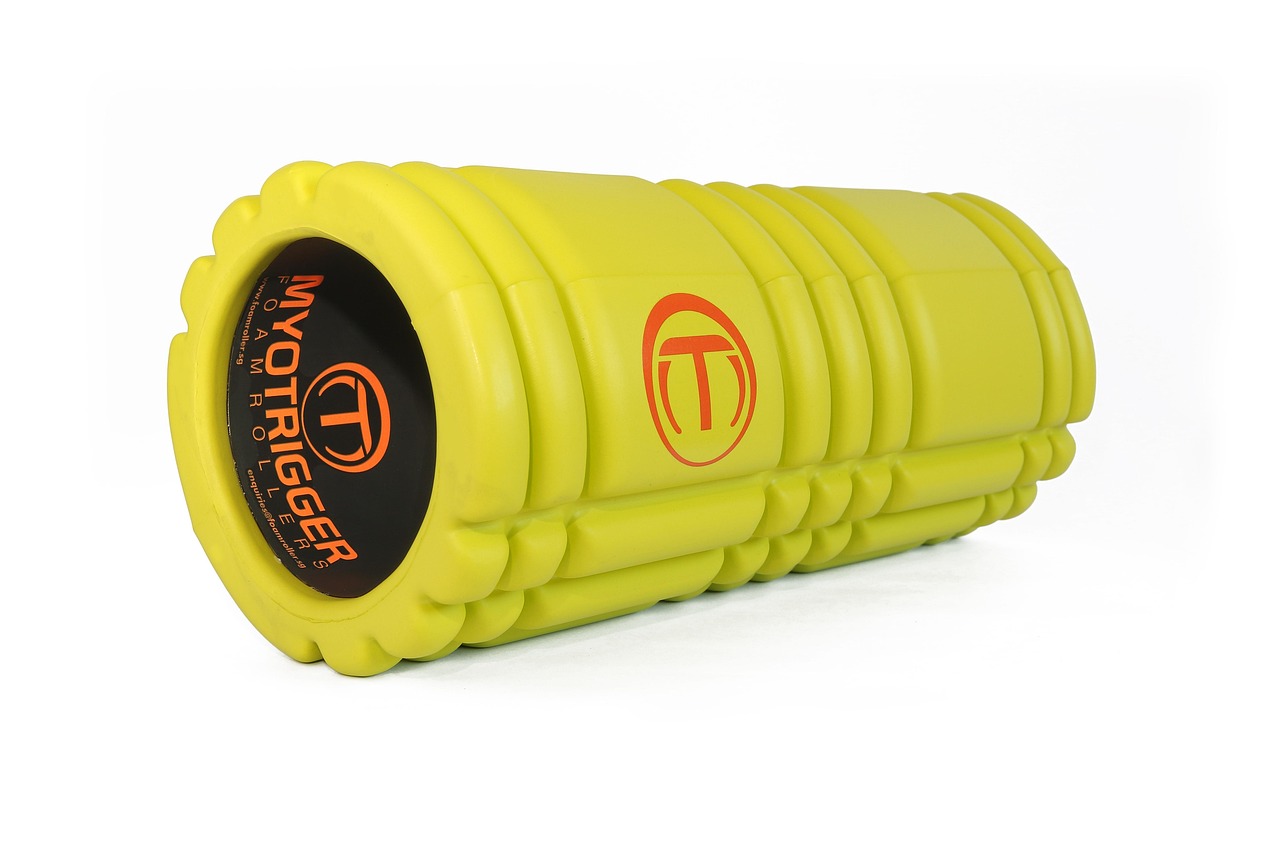
When discussing foam rollers, their selection and use are essential considerations. Various types of foam rollers exist, each designed for different techniques and purposes. A smoother foam roller is perfect for beginners, while textured rollers provide deeper loosening of tight muscles. The density of the roller influences the effectiveness of the massage, with firmer options yielding intense pressure. Those who encounter muscle soreness or stiffness should rotate between various types of foam rollers to determine what suits them best. Incorporating a foam roller requires patience, particularly for those who may be new to this practice. Start by rolling slowly over each muscle group, targeting areas that feel tight. It’s recommended to devote up to a minute on each targeted muscle area. Listening to your body is crucial; if you experience too much discomfort, you should adjust the pressure or switch to a softer roller. Foam rolling is especially effective for athletes and fitness enthusiasts aiming to recover from intense workouts. By using a foam roller regularly, you will enhance your flexibility and overall performance in core training.
Benefits of Foam Rolling for Core Stability
Foam rolling serves as an invaluable tool for those strengthening their core muscles. One of the primary benefits is the way it enhances blood flow to the muscles, which is crucial when performing core workouts. Rolled muscles deliver oxygen and nutrients during exercise, improving performance and reducing muscle fatigue. Furthermore, foam rolling increases muscle elasticity, which allows better movement and muscle activation. A properly functioning core requires communication between muscles, which foam rolling facilitates. By reducing muscle soreness, preventing tightness, and maintaining elasticity, foam roll sessions can enhance popular core exercises, such as planks and bridges. Integrating these sessions post-workout is particularly beneficial. These procedures encourage your body to recover and repair damaged muscles effectively. Educating yourself on the various techniques will maximize foam rolling’s benefits. Techniques such as the Cross-Fiber method may add variety and depth to your foam rolling routine. Ultimately, foam rolling not only contributes to improved muscle function but also prepares your body for tougher workouts ahead, which is crucial for achieving your overall fitness goals.
Preparing your core for exercise involves understanding the connection between foam rolling and proper muscle engagement. Before diving into core workouts, implementing a foam rolling routine can activate your muscles. Priming your body in this manner can significantly boost your core performance. By rolling out abdominal and back muscles, you’re effectively enhancing neural connections as well. That connection means that your core muscles can work more effectively during each repetition. This practice emphasizes the importance of engagement and awareness in your workouts. Mindful movements play a pivotal role in determining exercise success. Many fail to see the value foam rolling contributes to overall core training efficacy. Once you’ve understood its importance, integrating foam rolling should be seamless within your training schedule. The common misconception is that foam rolling is only for recovery. However, it acts as an invaluable warm-up for core workouts and a recovery technique afterward. Aim for sessions both before and after your core training to maximize the benefits. By adopting this dual approach, you’ll ensure every training session contributes positively to your overall stability.
Choosing the Right Foam Roller
Selecting the correct foam roller depends greatly on your personal needs and workout routines. With options available in various sizes, densities, and textures, determining which fits best is crucial. Beginners may prefer a softer, smoother foam roller for an introductory experience. However, as your comfort and technique improve, transitioning to a high-density or textured option becomes beneficial. A medium-density roller can serve both recovery and warm-up needs while assisting with muscle tension relief. Texture should also play a role in your selection process. Textured foam rollers stimulate trigger points more effectively, providing deeper muscle relief. Conversely, smoother rollers are gentler and ideal for those recovering from injuries. Consider your goals when selecting a roller. For athletes focused on muscle recovery, a firm roller may yield ideal results, while everyday fitness users might prefer a softer option. Finally, assessing the longevity of the roller is essential. Higher-quality foam rollers tend to maintain their shape and durability over months of usage. Investing in a reliable foam roller can provide ongoing benefits to your training and results.
Incorporating foam rollers into your core training routine requires understanding the timing and technique. Ideally, foam rolling should precede your workouts to prepare your muscles and connective tissues. This approach ensures your body is primed for activity by increasing blood flow and flexibility. Spend around 5-10 minutes rolling out major muscle groups before engaging in core exercises. Following your workouts, a dedicated cool-down period should involve foam rolling. This practice aids in breaking down lactic acid and releasing tension built throughout your session. Additionally, foam rolling post-workout can promote overall relaxation and recovery. Learning specific techniques for different muscle groups can improve your foam rolling efficiency. For instance, focus on slower, deeper rolls for tight areas like the lower back and hips. Conversely, quicker movements can help energize and stimulate muscles pre-workout. By alternating these techniques based on the specific desired outcome, you enhance your foam rolling experience. Aim for balanced integration of foam rolling within your training regimen. The result will be increased stability and improved recovery times that boost your overall core performance.
Finally, understanding foam rollers’ impact on core fitness goes beyond physical benefits. Foam rolling contributes significantly to mental focus and awareness in workouts. Engaging in the process connects you with your body, heightening your ability to perceive tension and imbalances. This heightened awareness often leads to better performance during training sessions. When you connect to the sensations in your muscles, you’re better able to communicate with them, elevating your overall efficiency. Mindfulness plays a role in achieving fitness goals and optimizing core stabilization. Incorporating foam rolling means you’re not just working out your muscles; you’re developing a more profound connection to your physical performance. This awareness subsequently leads to tailoring both workout techniques and recovery strategies effectively. In addition to physical and mental engagement, including foam rollers in your daily routine can build resilience to stress, which translates to improved performance. Engaging in regular recovery sessions ultimately prepares you for challenges ahead. As you embark on your fitness journey, embracing foam rolling as a central element can enhance your overall training results, cultivating long-term stability and recovery measures.
The Importance of Consistency in Foam Rolling
Finally, the importance of consistency in foam rolling cannot be overemphasized. Establishing a routine that incorporates foam rolling can elevate your training effectiveness and recovery efforts. Aim to practice foam rolling several times weekly to experience its full benefits. Integrating consistent sessions into your training allows you to gauge improvements in muscle tension, flexibility, and overall core stability. The body benefits from repetition as it becomes accustomed to the techniques used in foam rolling, which can enable quicker recovery after workouts. For optimal results, consider scheduling foam rolling sessions on training and off-days. During non-training days, foam rolling can facilitate muscle recovery and enhance mobility. Keeping a consistent foam rolling schedule also encourages overall emotional well-being during workouts. Maintaining body awareness and mindfulness through regular practice provides mental benefits that extend beyond physical performance. Lastly, don’t hesitate to try various foam rolling techniques and styles that suit your unique needs. Reacting to your body’s responses will guide your foam rolling journey. By committing to consistency and remaining adaptable, your core training and recovery will significantly benefit from this effective practice.