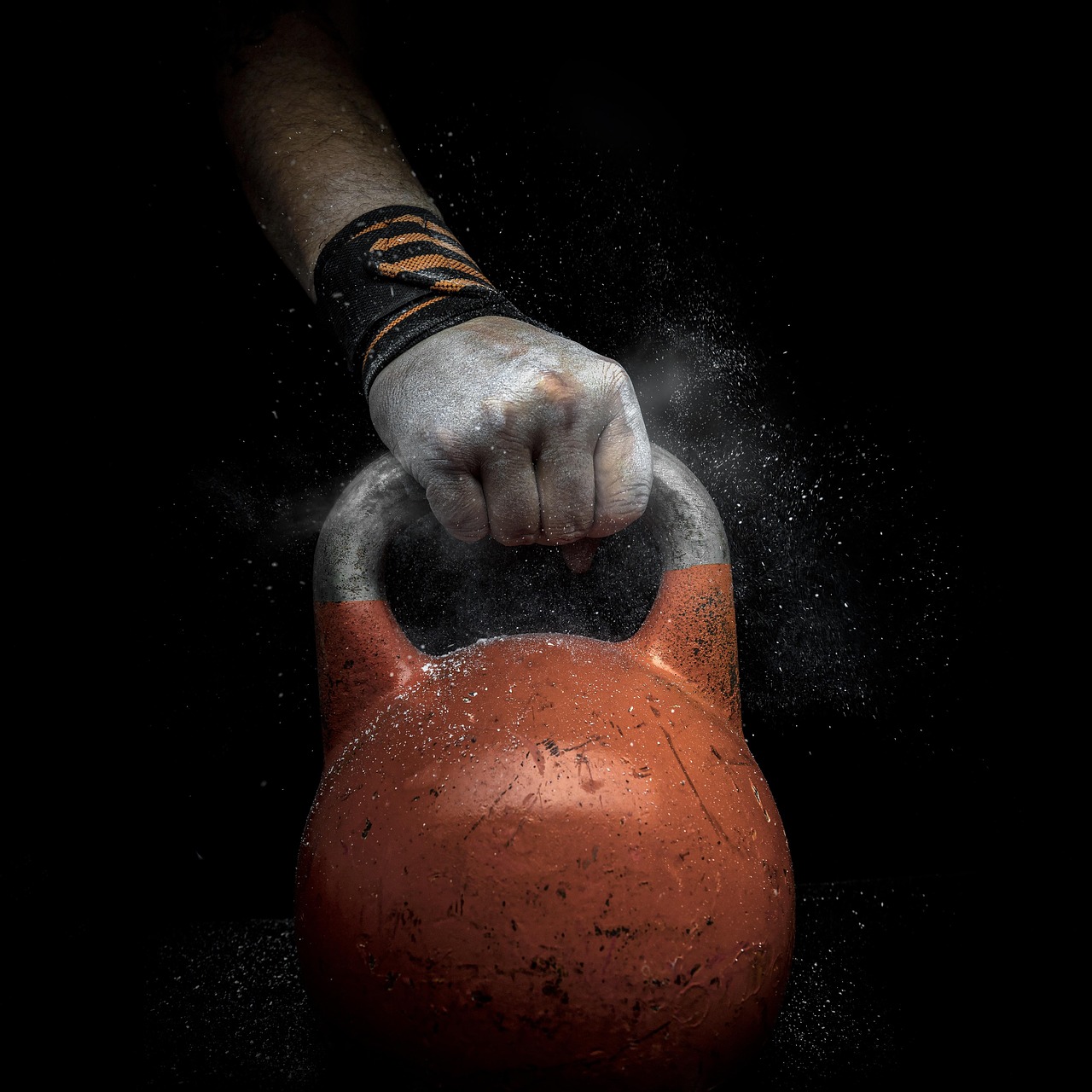

Safe Breathing Techniques During Kettlebell Exercises
Breathing correctly during kettlebell exercises is vital to ensure safety and maximize performance. While performing kettlebell workouts, it is essential to synchronize your breathing with the movements. A common technique is to inhale during the lowering phase of the kettlebell, as this creates stability in your core. Conversely, you should exhale when performing the lifting phase, which allows for a greater exertion of energy. Failing to breathe properly can lead to a build-up of intra-abdominal pressure, potentially causing injury. Additionally, maintain an even rhythm in your breathing pattern. Avoid shallow, rapid breaths and instead focus on deep, controlled breaths. This will help improve oxygen flow, allowing you to sustain your energy throughout the workout. Remember that proper breath control can help maintain your posture and form while lifting. If you struggle with breath synchronization, consider slowing down your tempo, as this may give you more time to focus on your breath. Ultimately, mastering safe breathing techniques is a fundamental aspect of kettlebell training that enhances safety and performance.
The Importance of Diaphragmatic Breathing
One effective breathing technique is diaphragmatic breathing, which engages the diaphragm for more effective oxygen intake. It is crucial to practice diaphragmatic breathing because it allows for deeper inhalations and fuller exhalations. Start by lying on your back with your knees bent. Place one hand on your chest and the other on your abdomen. As you inhale deeply through your nose, focus on expanding your belly rather than your chest. This method helps connect your breath to your core muscles, which supports your movements during kettlebell exercises. Additionally, when you exhale, do so slowly and completely through your mouth, allowing your diaphragm to do the work instead of your chest. Integrating this breathing technique into your kettlebell training routine will promote better stability and control over your movements. Diaphragmatic breathing also helps lower the levels of stress, enhancing your overall mental focus while exercising. As you practice this technique, be mindful of your form and posture to reduce the risk of injury and improve your training outcomes.
Another important aspect of breathing during kettlebell exercises is knowing when to hold your breath, especially during maximal effort lifts. This technique is known as the Valsalva maneuver and can enhance intra-abdominal pressure, providing you with stability during demanding movements. This additional pressure supports your spine and can improve your lifting capability. However, it is essential to use this technique judiciously and not to hold your breath for too long. It’s advisable to only utilize this method when lifting heavy weights or during complex maneuvers that require absolute control and focus. Make sure you practice the Valsalva maneuver in a safe environment to gauge how it affects your body and performance. For most exercises, especially those that require high endurance, it is better to maintain a regular breathing pattern rather than relying solely on breath-holding. This strategy helps to prevent dizziness or light-headedness, which can occur when oxygen supply is restricted for too long. Balancing breath control—both with the Valsalva maneuver and regular breathing—can enhance your safety and performance in kettlebell training.
Maintaining Rhythm and Focus During Sets
Maintaining a consistent rhythm throughout your kettlebell workout is critical for both safety and performance. A good pace not only keeps your movements fluid but also helps you establish a breathing pattern that synchronizes with your efforts. Develop a habit of mentally counting your breaths to help track your rhythm. For instance, you could count to two as you inhale during the descent and two as you exhale during the ascent. This method keeps your focus on your breath and helps prevent distractions. Additionally, consider visualizing your breathing pattern alongside the kettlebell movements, allowing yourself to enter a flow state. This level of concentration can reduce anxiety and help you connect with the workout. Another suggestion is to engage in mindfulness, focusing solely on your breath and movements without letting external distractions interfere. The synergy between breathing and movement fosters better coordination and can enhance your workout experience. Practicing these techniques regularly will help make them second nature, which is essential for effective kettlebell training.
Hydration plays an equally important role in your kettlebell training routine. Ensure that you are well-hydrated before starting any kettlebell workouts, as dehydration can affect your performance and energy levels, leading to poor form and increased injury risk. Drinking water supports smooth breathing, allowing your respiratory system to function optimally during exercise. Consider sipping water throughout your workout, particularly during breaks or set transitions, to keep your body hydrated. Furthermore, be cautious about how much water you consume just before lifting to avoid uncomfortable fullness. Remaining adequately hydrated will enable you to perform at your best and optimize your recovery time. Post-workout hydration is also essential for muscle recovery and reducing soreness. Sports drinks may be beneficial if your sessions are particularly lengthy or intense, as they replenish electrolytes lost during sweating. Ultimately, balancing hydration with proper breathing techniques during kettlebell workouts ensures that you provide your body the support it needs to function effectively and safely.
Listening to Your Body Signals
Listening to your body as you train with kettlebells is crucial for practicing safe breathing techniques. Every individual has unique physiological responses to exercise. Pay attention to any discomfort or unusual sensations during your workouts. If you experience shortness of breath or dizziness while exercising, it may be a signal that your breathing technique requires adjustment. Rest and reassess your breathing rhythm, ensuring that you are not rushing your breaths or holding them too long. It’s vital to allow your body to signal its needs and to respond accordingly. Learn the difference between strength training fatigue and respiratory distress—it’s essential to differentiate between the two. Whenever in doubt, it’s always best to err on the side of caution. If you consistently find yourself struggling to breathe while exercising, consider consulting a fitness professional to evaluate your form and breathing techniques. Understanding your body’s signals during kettlebell training prepares you for future workouts and helps you create a sustainable and safe exercise routine.
Lastly, don’t forget the role of adequate warm-up and cool-down sessions integrated into your kettlebell training routine. Starting with proper warm-ups elevates your heart rate gradually and prepares your lungs for the demands of intense workouts. Incorporate dynamic stretching focusing on your major muscle groups, promoting efficient blood flow and oxygenation. Similarly, cooling down after workouts allows your heart rate to slowly return to normal. During the cool-down phase, focus on steady, deep breathing. This practice helps to facilitate recovery and will also support effective muscle repair post-workout. Stretching your muscles while maintaining controlled breathing can improve flexibility and reduce muscle tension. Make sure to include exercises that enhance respiratory function, ensuring that your lung capacity remains optimal. Good warm-up and cool-down practices create a balanced approach to kettlebell training, emphasizing breathing as a core factor for fitness. Consistent application of these practices will arm you with the tools you need for a well-rounded and safe kettlebell exercise experience.
Conclusion: Emphasizing Safe Breathing
In conclusion, practicing safe breathing techniques during kettlebell training is paramount to both performance and injury prevention. From diaphragmatic breathing to rhythm maintenance and responsiveness to your body’s signals, every aspect of breath control contributes to a more effective workout. By understanding the synergy between breathing and kettlebell movements, you position yourself to unlock maximum potential. Remember to hydrate adequately and incorporate warm-up and cool-down routines for overall safety and performance enhancement. Breathing influences your capacity to lift weights safely and can impact your mental focus during workouts. A mindful approach to integrating breathing techniques in kettlebell training drastically enhances the quality of your sessions. As you work on these strategies, you reinforce the principles of safety and effectiveness, ensuring a better experience. A great kettlebell workout is not solely about strength but also about cultivating an awareness of how your body responds to workouts. By prioritizing safe breathing, your kettlebell routine will be not only rewarding but also methodical in achieving your fitness goals.