
The Role of Cross-Training in Trail Running Race Readiness
Trail running is a physically demanding sport requiring diverse skills and stamina, making cross-training an essential part of race preparation. Engaging in various activities can enhance performance by improving strength, flexibility, and cardiovascular fitness. Some effective cross-training activities include cycling, swimming, and strength training. Cycling targets the legs while providing a low-impact workout that maintains cardiovascular conditioning. Swimming aids recovery and helps develop lung capacity, optimizing endurance during lengthy runs. Strength training emphasizes core muscles and improving stability, which is vital for navigating uneven terrain in trail running. Incorporating at least two cross-training sessions weekly into your training regimen can significantly enhance trail performance by building overall fitness. By diversifying workouts, runners can prevent overuse injuries prevalent in repetitive activities like running. Cross-training not only helps establish muscle endurance but also enhances mental toughness, allowing runners to keep motivated. Programs combining running with strength and aerobic activities improve not just physical capacity but also mental resilience, preparing athletes for the challenges they may face during races. This versatility is crucial for success, especially in varying trail conditions.
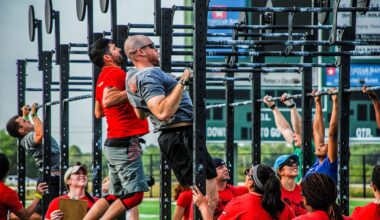
As runners prepare for a trail race, integrating varied terrain during cross-training is crucial. This helps simulate race-day conditions encountered on different trails. Trail running itself can be unpredictable, with variations in elevation, surface, and weather. Therefore, incorporating cross-training on similar terrains—whether uphill cycling or land running on uneven ground—affords runners a better sense of their capabilities. Learning how to anticipate and respond to environmental factors while crossing different terrains prepares runners for race scenarios. Participation in adventure sports, such as rock climbing, can improve core strength and balance, directly affecting trail performance. Attending local climbing walls can introduce necessary skills for navigating challenging paths or rocky ascents. Additionally, incorporating yoga helps improve flexibility, balance, and mindfulness, allowing runners to better focus during their runs. Regular practice not only enhances mental clarity but also supports injury prevention, particularly concerning lower body ailments. Strengthening ligaments and muscles that support joints through different workouts creates a more resilient runner. All these elements create a balanced approach, leading to a more prepared athlete ready for diverse trail conditions encountered during races.
Benefits of Flexibility Training
Flexibility training is another vital component of cross-training that trail runners often overlook. This form of training increases the range of motion in joints and muscles, facilitating better movement efficiency on the trails. Improved flexibility results in greater stride length and overall speed while reducing the likelihood of injuries. Stretching exercises such as dynamic stretches before runs and static stretching post-workout help keep muscles elastic, minimizing tightness during training. Additionally, flexibility work enhances recovery from long runs by promoting increased blood flow to worked tissues. Incorporating practices like Pilates or yoga further enhances core engagement, which translates to better posture and form while running. Integrating dedicated flexibility sessions into each week primes the body to tackle the rigors of a trail race effectively. Athletes can target specific muscle groups frequently strained during trail running, such as the hips, quads, and hamstrings, improving strength and alleviating soreness. By committing to regular flexibility routines, runners set themselves up for successful races without succumbing to avoidable injuries. Thus, flexibility training is critical for every trail runner pursuing effective race preparation and readiness.
Cardiovascular fitness is foundational for any long-distance runner. While traditional running enhances aerobic capacity, cross-training introduces diverse cardiovascular activities that can keep training exciting and effective. As our bodies adapt over time, introducing new stimuli through sports like rowing, cross-country skiing, or dancing can further develop stamina. These activities significantly contribute to maintaining an aerobic base vital for trail racing, where stamina is everything. While enjoying different aerobic workouts, runners can bolster their running endurance without the mental fatigue brought on by continuous running. Furthermore, varying these workouts engages different muscle groups, reducing the risk of overuse injuries. Enjoyable cross-training helps reinforce a positive training mindset essential for lasting dedication. Including “fun” activities takes the pressure off traditional workout routines, allowing runners to enjoy their fitness journey. This attitude can be particularly motivating in the lead-up to a major race, where the excitement often wanes as race day looms. Participation in engaging workouts re-energizes motivation, keeping runners focused and mentally sharp. Overall, adding variety to cardiovascular training enriches the overall training arsenal for any trail runner seeking to enhance race performance.
The Importance of Nutrition
Nutrition plays an indispensable role in supporting cross-training and overall race readiness for trail runners. As training intensity increases with the addition of cross-training methods, so does the body’s nutritional demand. Consuming the right balance of carbohydrates, proteins, and fats ensures that runners maintain energy levels throughout training. Focusing on whole foods, such as lean proteins, whole grains, fruits, and vegetables, provides essential nutrients necessary for optimal performance. Carbohydrates serve as fuel for endurance activities, while proteins help repair and build muscle following workouts. Healthy fats contribute to long-term energy release and support overall health. Runners should pay attention to hydration, particularly as they engage in sweat-inducing activities. Proper hydration aids in performance and mitigates fatigue and cramping during runs. Pre-race meals should be rich in carbohydrates, consumed a few hours before the race. Post-race recovery snacks must focus on proteins and carbohydrates, helping replenish energy levels and muscle repair. Furthermore, keeping a food journal can help runners track their nutrition habits and recognize patterns that influence performance. With the right nutrition, trail runners can optimize their training and race performance effectively.
In addition to structured training and improved nutrition, mental preparation through cross-training offers immense benefits for trail runners. Mental toughness plays a vital role when navigating the physical and emotional demands of challenging trails. Techniques from cross-training disciplines can cultivate this resilience. Engaging in meditation or mindfulness practices while doing activities such as cycling or swimming promotes concentration and stress relief. In addition, trying new and challenging activities fosters a problem-solving mindset, important for adapting to unpredictable trail conditions. Overcoming hurdles—whether climbing a rock face or tackling a difficult yoga pose—builds confidence and helps runners face race-day challenges. Visualization techniques can enhance positive thinking, reinforcing the belief that one can successfully navigate a difficult race course. By regularly incorporating exercises that challenge both the mind and body, runners gain a competitive edge on the trails. Engaging with fellow runners in group workouts also nurtures social interactions, creating a supportive community that boosts motivation. Combining these mental strategies with physical training methods ensures that trail runners are fully prepared for whatever race day brings, mentally and physically ready to tackle their challenges.
Incorporating Cross-Training into a Weekly Plan
To reap the benefits of cross-training effectively, careful planning is crucial. Balancing running workouts with varied cross-training sessions mitigates injury risk while building overall fitness. Trail runners should aim for three key components: endurance, strength, and flexibility throughout the week. Therefore, those interested should schedule specific running days interspersed with at least two or three days of cross-training activities. For example, one could designate Mondays and Thursdays for strength tasks, focusing on building core muscles and stability. Meanwhile, endurance runs could be set for Wednesdays and Fridays, ensuring both maintain aerobic fitness. Flexibility sessions could be incorporated on Tuesdays and Saturdays to reinforce recovery. Sundays serve as a perfect day for a leisurely jog or hike, reinforcing movement while promoting recovery. Developing a structured weekly plan prevents burnout and consistently motivates the runner. Tracking progress through a training log further identifies strengths and weaknesses, promoting continuous improvement. By adhering to this mix, trail runners can prepare effectively, maintaining a balance between performance and enjoying the wide range of activities that cross-training offers.
This training approach ensures athletes remain versatile, enhancing their capacity for diverse trail conditions. Striving for consistent evaluation and modification of the scheduled plan advances their training journey, ensuring continuous progress and addressing gaps in skills or conditioning. This evolution ultimately leads to optimal performance opportunities in races, making thorough preparation the foundation for success. Runners are more likely to experience enhancements in their performance and overall race outcomes by diversifying their approach to training.