
Best Fitness Activities to Boost Kids’ Brain Power
Getting kids engaged in fitness activities can have a transformative impact on their academic performance and cognitive abilities. Exercise stimulates the brain and enhances learning outcomes, making physical activity a fundamental aspect of childhood development. Activities such as team sports, swimming, or even brisk walking encourage not just physical health but overall well-being. It defines how fitness impacts various attributes like attention, memory, and processing speed. Incorporating fitness into a child’s routine is not just about exercise; it’s about fostering a mindset for a healthy lifestyle. Various studies indicate that children who participate in regular physical activities often show improved focus and performance in the classroom. These benefits stem from increased blood flow and oxygen to the brain, which fuels cognitive function. For parents, the message is clear: ensuring children maintain an active lifestyle can serve as a critical investment in their academic success. Therefore, structuring a balance between educational commitments and fitness is essential for holistic growth. Transformative changes in learning abilities can occur when children engage with fitness goals, enhancing both their character and intellect.
The Role of Physical Activity in Learning
Physical activity plays a significant role in improving kids’ learning capabilities. Activities that raise heart rates lead to better concentration and memory retention, creating more conducive learning environments. Engaging in exercises such as dance, martial arts, or playing sports provides social interaction, teamwork, and fun, making learning enjoyable for children. Aerobic exercise, in particular, is linked to brain-derived neurotrophic factor (BDNF), a protein that supports the survival of existing neurons and encourages the growth of new neurons and synapses. Thus, adopting an active lifestyle can significantly ameliorate a child’s capacity for acquiring knowledge. It fosters not just physical growth but cognitive development as well. Research consistently shows that regular exercise correlates with enhanced academic performance, improved behavior, and higher test scores. This compelling evidence indicates that prioritizing physical activity is integral to educational achievement. Engaging children in sports or structured physical routines creates an environment where learning becomes a natural and enjoyable outcome. Enhanced coordination, balance, and strength from physical activities also contribute to improved self-confidence and social skills, which positively influence academic performance.
Physical fitness activities can effectively support a child’s overall cognitive growth, enhancing their attention span and ability to learn. Activities like yoga, gymnastics, or cycling not only promote fitness but also mindfulness, helping kids reduce stress and anxiety. Mindfulness leads to improved concentration in academic tasks, allowing children to tackle studies effectively. Exercise triggers the release of hormones such as endorphins, paving the way for better mood regulation. This emotional stability is crucial, especially during intense study periods. Integrating fitness into daily routines lays a solid foundation for life skills such as discipline and time management. Parents can encourage kids by promoting participation in group activities whether it’s joining a community sports team or taking daily family walks. As kids grow more physically capable, they often feel more academically confident, which creates a positive feedback loop for success. Physical activity is also a great way to build social connections, teaching children the value of teamwork and collaboration that extends beyond physical boundaries into their academic lives. Therefore, reinforcing the importance of fitness can lead to greater social and cognitive development.
Developing a structured plan for fitness can help in amplifying its benefits on brain power, enabling kids to excel academically. Parents and educators can work together to create a balanced schedule that incorporates exercise while still allowing ample time for study and homework. Cardio workouts and strength training could be woven into after-school programs or weekend activities, ensuring engagement in various forms of movement. For children who might be resistant to physical activities, graciously introducing them to different sports or active games can ignite enthusiasm. Starting with short, enjoyable activities keeps fitness sessions fun and engaging, increasing the likelihood of lifelong habits. Setting achievable fitness goals can also motivate children, positively affecting their self-esteem and perseverance. Encouraging participation in extracurricular activities focused on fitness teaches valuable life lessons in commitment and results. As kids enjoy the benefits of fitness, they may unintentionally develop a more focused approach to their studies. Reinforcing these connections between physical success and academic performance is fundamental in their growth. The more enjoyable these activities, the more likely children will pursue them into adulthood, paving the way for a healthier lifestyle.
Team Sports and Academic Achievement
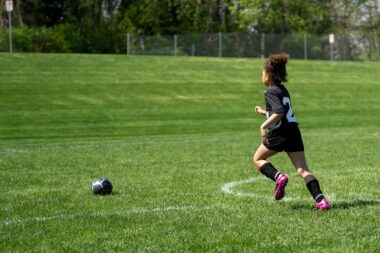
Team sports are particularly beneficial as they teach kids the importance of teamwork, communication, and self-discipline. When kids play soccer, basketball, or volleyball, they not only enhance their physical skills but also their cognitive abilities. These sports require strategic thinking and quick decision-making, nurturing critical thinking skills essential for academic success. Sharing responsibilities on the field fosters collaboration and patience, qualities that directly translate into a classroom setting. Team sports also provide a structured environment where children learn about winning and losing gracefully, contributing to emotional intelligence. Many studies indicate that kids involved in team sports often achieve higher grades and better school attendance records than those who do not participate in physical activities. The social interactions gained from participating in team sports can reduce feelings of isolation and anxiety while enhancing kids’ overall confidence. The camaraderie felt with teammates often encourages accountability both in and out of school. Hence, participating in team sports can be viewed as an investment into a child’s educational journey, supporting their growth academically while enhancing their physical capabilities.
Incorporating mindfulness practices like yoga and meditation into kids’ fitness routines can further boost brain function. Yoga promotes not only flexibility and strength but directly links to enhanced focus and mental clarity. Kids who practice yoga regularly often exhibit lower levels of anxiety and improved mood, setting up an ideal mindset for learning. Additionally, mindfulness techniques improve kids’ abilities to manage stress, making them more resilient to academic pressures. These practices may include deep breathing exercises, which help in regaining focus when studying. Scheduled yoga or meditation breaks in the day can transform a child’s engagement levels in the classroom significantly. Research indicates that these calming practices can have immediate benefits for attention span and memory retention. Tailoring classes or groups for children to explore yoga collectively can create a sense of community, further supporting mental health. Ultimately, combining traditional physical activities with mindfulness practices can create a more rounded approach to fitness. This approach not only bolsters brain power but lays a foundation for lifelong healthy habits. The integration of both dimensions can empower children to succeed academically and thrive emotionally.
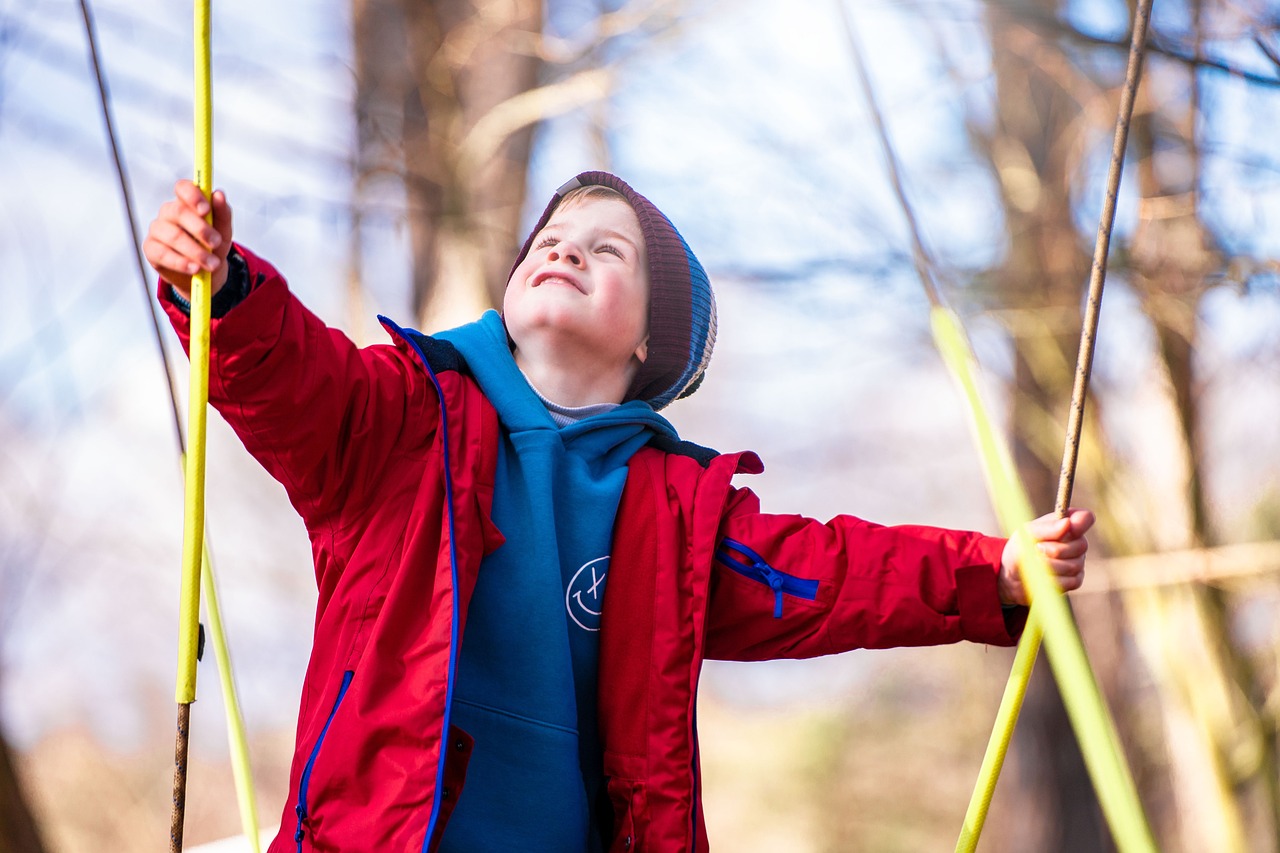
Engagement with outdoor activities offers ample benefits for kids’ physical fitness and cognitive functions. Nature-based physical activities like hiking, biking, and playing in parks encourage exploration and creativity, enhancing brain performance. These outdoor experiences stimulate curiosity and independent thinking, essential skills for academic achievement. Additionally, being outdoors allows children to connect with their natural surroundings, promoting emotional wellbeing and reducing stress. Activities that blend play and physical engagement provide sensory stimulation that channels into improved mental acuity. This connection between nature and fitness not only invigorates but refreshes both body and mind. Families can create adventures that synergize education and physical challenges, making learning fun and engaging. Nature scavenger hunts or obstacle courses can serve as exciting ways to blend physical activity with problem-solving tasks. The more often kids engage with their environments, the better their brain functions as they interact with diverse stimuli. This exposure proves beneficial for enhancing reasoning abilities and cognitive flexibility, fundamentally affecting academic performance positively. Therefore, harnessing the outdoors for fitness becomes an essential pillar supporting holistic child development.
Establishing routines that integrate fitness into everyday life is pivotal in maintaining kids’ brain function and academic performance. Consistency breeds familiarity, creating a stabilizing effect as children grow into their responsibilities. Whether through school programs or after-school clubs focused on fitness, instilling the importance of active habits is essential. Parents can reinforce routines by designating certain times each week exclusively for physical activities. This predictability aids in instilling discipline and time management skills, which are also crucial for academic success. Activities that are scheduled should have variety—ranging from sports practices, dance classes, or casual family workouts. Regularly changing routines not only stimulates interest but enhances adaptability, requiring kids to develop cognitive agility. Encouraging children to express their preferences fosters ownership over their fitness choices, cultivating independence. This independence can translate directly into their academic pursuits, guiding them toward self-directed learning. Ultimately, by weaving fitness naturally into the fabric of their lives, families can equip kids with the prevention tools for both mental and physical challenges ahead. Healthier habits instilled early on will manifest in broader areas of success as they progress in life.