
Effects of Altitude and Weather on Triathlon Performance
Altitude is a significant variable that can profoundly impact a triathlete’s performance. As the elevation increases, the oxygen levels decrease, resulting in a thinner atmosphere that can affect breathing and stamina. For instance, at high altitudes, the body may struggle to deliver sufficient oxygen to the muscles, which leads to fatigue more rapidly. To combat this, many athletes undergo acclimatization to adapt their bodies over time. This process can enhance endurance, allowing them to perform better despite lower oxygen levels. Furthermore, training at altitude can help improve red blood cell production, which is crucial for oxygen transportation. Triathletes aiming to compete in mountainous regions should consider these factors seriously and incorporate altitude training into their regimen. Additionally, knowing personal limits and how the body responds to various altitudes can prevent injuries or undue stress during competition. Planning workouts at differing altitudes may diversify training and provide a competitive edge. However, athletes often overlook the importance of gradually increasing intensity to allow proper body adjustments. Emphasizing this gradual acclimatization can significantly influence performance on race day.
Weather conditions are another crucial determinant of success in triathlons. The temperature, wind, and humidity can all affect both physical performance and mental fortitude during events. For instance, competing in high heat may lead to dehydration, overheating, and ultimately diminishing one’s performance. Athletes often use strategies such as cooling vests or hydrating fluids to mitigate these effects. Conversely, racing in cold temperatures can result in muscle stiffness, impacting flexibility and performance. Triathletes must familiarize themselves with weather forecasts leading to race day. Conditions such as rain can create slippery surfaces, increasing the risk of accidents, while winds can affect bike speed significantly. Preparing for various weather conditions can mean the difference between a good and great race. To prepare, athletes should train under different weather scenarios before their events. Furthermore, understanding personal limits regarding heat and cold can help inform gear selection and pacing strategies. In essence, preparing for fluctuating weather patterns pays dividends on race day, showcasing the necessity for adaptability and mental toughness. Ultimately, embracing diverse weather conditions in training is equally critical as physical preparation.
Altitude Effect on Different Triathlon Segments
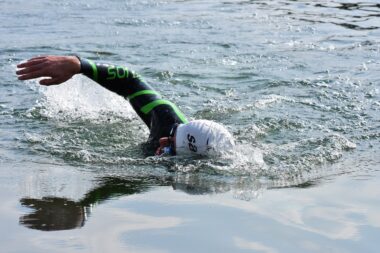
The three segments in a triathlon—swimming, cycling, and running—each respond differently to altitude. For swimmers, higher altitudes can affect buoyancy, making them feel heavier in water. While swimming is less impacted by oxygen levels, endurance can still diminish due to decreased respiratory efficiency. Cyclists, however, face more pronounced challenges as increased altitude leads to considerable oxygen intake issues. As the demand for sustained power increases, adjustments in gear usage and training routines become essential. Some triathletes focus on high-intensity intervals to enhance their aerobic capacity despite lower oxygen saturation. Running, the last leg of the race, demands significant cardiovascular performance; many runners often encounter pronounced shortness of breath in elevated regions. Implementing strategies to sustain pace becomes vital, including pacing properly and adopting a proper breathing rhythm. Furthermore, training runs at altitude can significantly affect overall race day comfort levels. Adaptation to high-altitude running may reflect positively during competitions in lower altitudes, wheremore oxygen is available. Each segment’s unique response to altitude conditions makes targeted training necessary for optimal performance during each triathlon section.
Humidity plays a pivotal role in how athletes perform across various terrains. High humidity can amplify fatigue levels, impacting hydration needs and energy outputs. It forces triathletes to focus on hydration as dehydration can lead to dramatic drops in performance and increased risks of heat-related illnesses. Athletes often aim for increased fluid intake prior to competing in humid conditions. During long races, employing electrolyte-replenishing fluids becomes crucial. Moreover, humidity can influence clothing choices. Athletes typically select moisture-wicking fabrics to assist with evaporation and comfort. The psychological impact of finishing a triathlon in oppressive weather can also not be underestimated, testing an athlete’s mental resilience. Athletes must develop mental strategies to combat fatigue and distraction during high-humidity races. Planning for showers, cooling stations, and finding shaded areas along the course guarantees athletes remain as cool and focused as possible. Furthermore, incorporating heat training before a competition can help acclimatize the body and improve tolerance. Understanding the specific impacts of humidity on performance helps athletes tailor their training and approach each race with appropriate strategies for weather conditions.
Adapting Training to Weather Conditions
Strategizing workouts according to prevailing weather conditions allows triathletes to maximize their potential. Athletes need to analyze forecasts closely leading up to competition days, planning accordingly. Altering training regimes allows the body to adjust and prepare for unexpected weather variances. For instance, if a heatwave is predicted, training indoors in cooler environments can help mitigate heat stress while maintaining intensity. Furthermore, adapting cycling sessions to simulate conditions expected on race day could enhance overall performance. When faced with inclement weather, adjusting pacing strategies is essential to maintain energy and endurance. Athletes should incorporate diverse terrains and settings into their training plans so that they are better equipped to adapt. Wind resistance is another consideration; individuals training in windy conditions may develop stronger performance at lower resistance levels. Mentally, this options brings variety. Even adaptive measures in preparation can add motivation and unpredictability, enhancing engagement during training cycles. Understanding how to tailor workouts to address different weather elements leads to improved race-day performance. Setting realistic goals while acknowledging forecast challenges equips triathletes for successful outcomes.
The recovery process also correlates closely with weather influence on training routines. Post-training recovery must be planned according to weather conditions, which affects hydration and nutrition. For instance, training in extreme heat necessitates more aggressive hydration strategies compared to temperate conditions. Likewise, cold weather necessitates adjustments in warm-up durations to maintain optimal performance levels. Recovery techniques should focus on combating physiological stresses introduced during intense workouts. Additionally, employing practices such as ice baths or hot showers can assist with muscle recovery and relaxation. Cooling down post-exercise in hot environments allows the body temperature to normalize more effectively. Similarly, understanding food intake needs during recovery to replenish lost electrolytes is crucial. Balancing hydration with nutritious meals rich in proteins and carbohydrates will help restore energy levels. Keeping a consistent routine aids recovery between intensive training blocks. Mental recovery is equally important; athletes should focus on relaxation strategies in preparation for their next training session or competition. Thus, understanding how weather conditions affect recovery should inform overall training strategies, ensuring athletes emerge refreshed and ready for subsequent challenges.
Conclusion
To summarize, both altitude and weather profoundly impact triathlon performance, significantly influencing various training dynamics. A triathlete’s capability may hinge on how well they adapt to environmental conditions. Preparing for altitudes and humidities requires unique training protocols focusing on specific strategies for endurance enhancement. The correlation between weather and performance means that athletes must be sure-footed in employing various coping techniques. Strategizing hydration, nutrition, and pacing before races becomes essential for coping with these variables. By training under varying weather conditions, athletes will enhance their adaptability, yielding incredible results on race day. More importantly, understanding their limits will allow them to harness their full potential. Therefore, athletes should prioritize flexible training regimens that will enable them to navigate through the numerous weather fluctuations they may encounter. Mastery over altitude variations, various terrains, and weather conditions creates champions who achieve their goals. The insights gained from thorough preparation will guide them through unforeseen challenges. Knowledge, resilience, and adaptability remain crucial in triathlon training, equipping athletes for continuous growth and success in their sporting endeavors.