
Exploring Imaging-Based Biomechanical Markers for Athletic Performance
Biomechanics plays a critical role in sports science, particularly through the use of advanced imaging techniques to evaluate athletic performance. These techniques, including motion capture, MRI, and ultrasound imaging, allow researchers and coaches to analyze movements in detail. By assessing the mechanical aspects of athletes’ movements, valuable insights can be gained regarding performance efficiency and injury risks. For instance, motion capture technology measures body movements and angles, providing quantitative data that can guide training programs. Additionally, MRI scans offer a deeper understanding of internal structures, allowing for precise injury diagnosis and recovery planning. Beyond mere assessment, the incorporation of these imaging techniques into sports training can lead to tailored programs designed to enhance athletic performance. Coaches can use the data obtained from these techniques to develop strategies that align with an athlete’s specific biomechanics. Hence, imaging techniques have not only revolutionized how performances are evaluated but also how athletes can train smarter and more effectively. As technology progresses, the potential for better imaging resolution and data analysis continues to evolve, heralding a new era in sports performance analysis.
One prominent imaging technique used in biomechanics is motion capture, which provides critical data regarding athletes’ movement patterns. Through infrared cameras and reflective markers placed on specific body segments, motion capture systems accurately track an athlete’s movements in real-time. This technology enables the identification of inefficiencies in technique and the quantification of key performance indicators. Various parameters can be derived from motion capture data, such as velocity, acceleration, and joint angles, assisting in objectively assessing performance levels. For instance, a sprinter’s initial acceleration can be analyzed to optimize their start technique, improving race outcomes. Moreover, comparing motion data across multiple training sessions can illuminate improvements or regressions in performance. Furthermore, the integration of 3D motion analysis allows coaches and athletes to visualize movements in a three-dimensional space, providing deeper insights into performance mechanics. The data generated can be used to refine training regimens while reducing injury risks by identifying any biomechanical anomalies early on. Therefore, with ongoing advancements in motion capture technology, its application within biomechanics continues to expand, positively influencing coaching and athlete development.
Advanced Imaging Modalities
In addition to motion capture, ultrasound imaging has garnered significant attention within the biomechanics field. This technique provides real-time visualization of muscle contractions and joint movements without invasive procedures. By employing high-frequency sound waves, ultrasound can evaluate soft tissue conditions, muscle function, and even joint mechanics. Within athletic settings, ultrasound assists in identifying muscular imbalances and monitoring rehabilitation progress. For example, tracking muscle thickness and cross-sectional area over time can reveal important changes in muscle strength and development, enabling trainers to adjust their programs accordingly. Furthermore, ultrasound imaging’s portability and accessibility make it an appealing choice for on-field assessments, ensuring athletes receive immediate feedback during training sessions. Such swift evaluations facilitate timely interventions, potentially preventing serious injuries. The versatility of ultrasound also extends to tendons and ligaments, allowing clinicians to diagnose issues quickly. By integrating ultrasound within regular training and recovery routines, coaches can optimize their athletes’ performance safely while significantly enhancing their understanding of biomechanical principles at play. Consequently, ultrasound imaging represents an invaluable tool in bridging the gap between biomechanics and athletic performance.
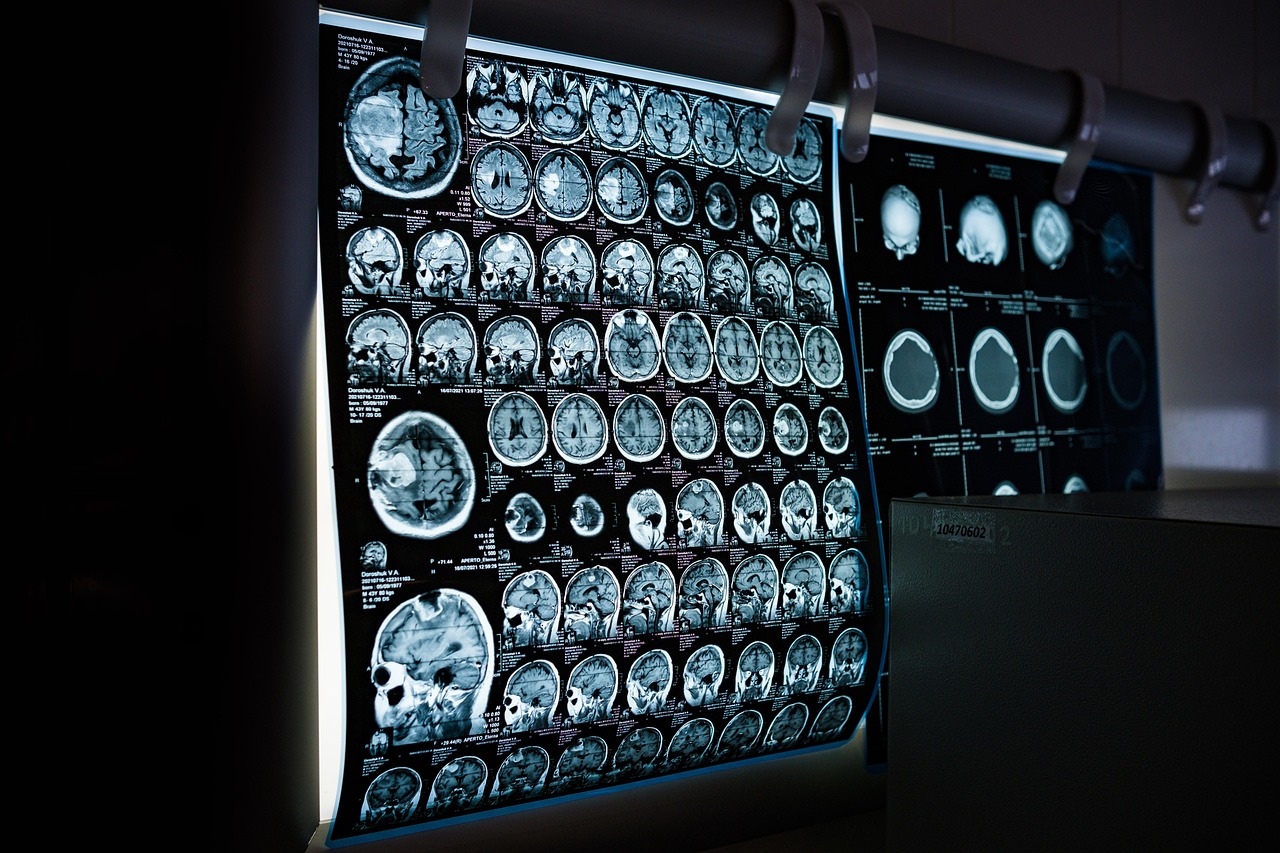
Magnetic Resonance Imaging (MRI) has also established itself as a cornerstone in assessing athletes’ biomechanics. MRI offers unparalleled views of internal structures, revealing details about tendons, ligaments, and cartilage that other techniques cannot. It has become essential for diagnosing injuries such as tears or distortions that might otherwise escape detection through simpler methods. For athletes, knowing the specific injury location and severity can guide effective rehabilitation strategies. Beyond just injury assessment, MRI also provides insights into the overall health of the musculoskeletal system. By analyzing images pre- and post-injury, practitioners can evaluate healing progress and readiness for return to play. Moreover, MRI’s role extends beyond injury information; it can highlight anatomical variations among athletes that may predispose them to certain injuries, allowing for preemptive prevention strategies. This capability elevates the method from merely diagnostic to proactive, aiming to improve long-term athletic health. As MRI technology continues to advance, its resolution and speed improve, making it incredibly beneficial as a routine component in athletic training and performance enhancement approaches.
The Future of Imaging Techniques
Emerging technologies, such as biomechanical wearable sensors, are also making significant strides alongside traditional imaging techniques. These sensors can provide real-time performance data, informing athletes about their biomechanics throughout training. Wearable technology like smart watches can collect information on heart rate, cadence, and movement efficiency, enhancing athletes’ training insights. This data brings a new dimension to performance analysis, merging biomechanics with personal fitness tracking. Advanced sensors can detect irregularities in movement patterns that may suggest impending injury risks, creating opportunities for preventative measures. The integration of machine learning with data collected from these sensors promises to accelerate injury prevention techniques further while optimizing performance. Athletes and trainers can use predictive models that analyze vast datasets, enabling targeted interventions before injuries occur. The continuous development of these technologies indicates an exciting synergy between biomechanics research and practical applications. With improved analytics and real-time data at their fingertips, athletes will have the capacity to make informed decisions about training that aligns with their specific biomechanics and performance goals.
Despite the advantages presented by imaging techniques, challenges persist in standardizing data collection and interpretation methods across various sports. The inconsistency in the application of imaging technology may lead to divergent outcomes, complicating comparisons and recommendations. Developing universally accepted protocols for data processing and analysis is critical to harnessing the full potential of these technologies in biomechanics. Such protocols will help clinicians and coaches apply imaging-derived data effectively and consistently tailor strategies to individual athletes. Additionally, it is essential that practitioners remain cognizant of ethical implications when employing imaging techniques. Athlete privacy and consent issues must be addressed with utmost diligence, particularly concerning the storage and usage of sensitive information. Facilitating transparency and fostering collaborative engagements among researchers, coaches, and athletes can enhance the credibility and acceptance of imaging practices in sports. Ongoing professional education will also play a vital role in keeping industry stakeholders informed of technological advancements and their implications. Consequently, a commitment to overcoming challenges and establishing robust frameworks is crucial to ensuring the ongoing evolution of biomechanics through imaging techniques.
Conclusion: The Impact on Performance
In conclusion, imaging techniques in biomechanics are dramatically transforming the landscape of athletic performance enhancement. From motion capture to MRI and wearable sensors, the ability to evaluate, refine, and enhance athletic mechanics represents a phenomenal leap in sports science. Athletes are better equipped to understand their performances while optimizing training regimens that respond to their unique biomechanics. As imaging technology advances, the potential for personalized training accelerates. More accurate data collection enables tailored interventions that enhance performance while mitigating injury risk. Moreover, integrating these technologies into the everyday practices of training and recovery forms the basis for a more holistic approach to athlete development. With a clearer understanding of biomechanics fueled by advanced imaging methods, athletes can shift from reactive to proactive strategies in maintaining their peak performance. Furthermore, as the field continues to evolve, fostering collaborations among researchers, coaches, and athletes will ensure that these innovations are embraced to their fullest potential. The journey ahead, thus, promises not only enhanced athletic achievement but also contributes significantly to athletes’ long-term health and sustainability within the sports arena.
As we step into the future, ongoing research and practical application of imaging techniques in biomechanics will continually reshape athletic services. The ongoing advancements and innovations within imaging technologies are set to improve the understanding of biomechanical factors influencing performance. Integrating interdisciplinary collaborations ensures that advancements resonate through various aspects of training and rehabilitation. This newfound knowledge can empower both athletes and coaches, providing them with actionable insights. As the boundaries of biomechanics expand, athletes can look forward to a future where imaging plays an even more pivotal role in enhancing performance outcomes and health management. The strategic use of imaging techniques results in clearer patterns and profiles that detail an athlete’s biomechanics. Consequently, this creates opportunities for more informed coaching, effective training plans, and injury prevention strategies that prioritize individual athlete needs. Through the continued evolution of imaging technology within biomechanics, the broader sports community will benefit not only from advanced performance analysis but also long-term wellness tailored to the demands of various sports. As the journey of biomechanics unfolds, imaging will remain at the forefront, leading the way toward innovation and excellence in athletic performance.