Relationship Between Footwear Design and Postural Sway
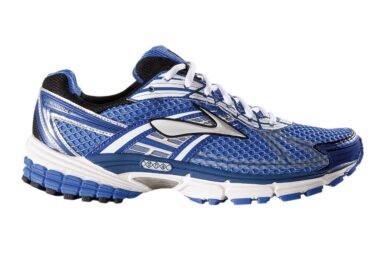
Footwear design significantly affects our overall balance and coordination, notably influencing postural sway. Postural sway refers to the natural oscillations of the body while standing still, driven largely by the interaction between the body and the ground. Specialized footwear can enhance stability and comfort, optimizing our body’s alignment. Features such as sole stiffness, arch support, and heel height impact how securely we can plant our feet. Shoes designed with a wider toe box may reduce cramping, allowing for better balance. Moreover, the material used can affect grip, facilitating smoother movement. As a result, people wearing optimal footwear report improved confidence in their balance, enabling them to perform daily tasks more effectively. Understanding the relationship between shoe design and postural sway can help you choose suitable footwear for activities that require improved balance. Research indicates that specific design elements can help mitigate postural sway, especially in older adults. Personalized recommendations from footwear specialists can guide users toward styles that enhance their stability and comfort, directly reducing the risk of falls.
Another aspect of footwear impact on balance relates to the heel height. Footwear with higher heels can create instability, tipping the body’s center of gravity. This shift can exacerbate postural sway, making it imperative to examine heel height critically. Shoes designed with lower, more stable heels generally promote better balance. These designs allow for improved ground contact, aiding in proprioception awareness. Proprioception refers to our body’s ability to sense its position in space, which is crucial for maintaining equilibrium. In addition to heel height, a shoe’s weight is also vital. Lightweight footwear is often preferable for enhancing balance. Heavier shoes can lead to fatigue more quickly, compromising overall stability and coordination. Furthermore, shoes with a rigid sole can increase the risk of imbalance. Flexibility in footwear allows for better movement and adaptation to uneven surfaces, essential for maintaining postural stability. Ultimately, selecting the proper footwear requires considering both design and personal comfort preferences. When shoes are well-fitted and designed for optimal support, they can dramatically influence how well individuals manage their body movements, positively affecting their overall physical balance.
The Role of Materials in Footwear Design
The choice of materials in footwear design plays a critical role in both comfort and overall safety. Breathable materials, for example, help prevent excessive sweating, reducing the likelihood of slipping inside the shoe. Non-slip soles made from rubber or similar materials enhance traction on various surfaces, further stabilizing individuals. A shoe’s upper also matters; softer materials like mesh facilitate better movement, aiding in balance without restricting foot mobility. In contrast, shoes made of stiffer materials can sometimes lead to discomfort, causing users to adjust their gait or stance. There are also eco-friendly materials gaining popularity, offering various advantages while simultaneously catering to environmentally conscious consumers. These materials can provide sufficient cushioning while promoting support. Proper cushioning is paramount when considering footwear for balance, as it helps absorb impact during walking or running. Some brands emphasize this aspect to create shoes that offer exceptional balance benefits. Investing in footwear constructed from high-quality materials can lead to longevity and better performance, ultimately resulting in an improved sense of stability during various activities.
Exploring the design influences on postural sway also includes examining shoe fit. Proper fit is critical in ensuring footwear’s effectiveness in enhancing balance. Ill-fitting shoes can cause discomfort, leading to altered walking patterns. This, in turn, contributes to postural sway and increases the likelihood of falls. Factors such as foot width, length, and arch height must be taken into account when choosing shoes. A biomechanically appropriate fit promotes correct posture and effective movement mechanics. Custom orthotics or insoles can also be beneficial if standard sizing doesn’t provide the necessary support. Personalization is key; no two feet are the same, and everyone has unique needs for balance. Lightweight, snug-fitting shoes often encourage better control over foot movements. Wearing shoes that fit correctly can lead to longer periods of activity, reducing fatigue and enhancing overall coordination. This improved experience can lead to higher engagement in physical activities, contributing significantly to maintaining balance throughout the day. Regularly assessing footwear fit can help to maintain optimal balance and reduce the risk of falls.
Footwear Testing and its Importance
The importance of footwear testing cannot be overstated when understanding its impact on balance. Controlled studies help assess how different footwear styles affect postural sway. These tests often include examining participants’ stability on various surfaces while wearing different shoes. Footwear research emphasizes specific design attributes like cushioning, arch support, and sole flexibility, directly correlating them with stability levels during movement. Results indicate that shoes designed with active findings can improve stability, particularly in high-risk populations like older adults. Conducting footwear testing provides useful data for developers, allowing them to evaluate consumer needs accurately. Additionally, testing helps identify potential competitions among styles, where less effective designs could be phased out. Empirical evidence gathered through rigorous testing enables brands to innovate consistently, ensuring their shoes support users’ needs for balance. Incorporating user feedback into testing processes can optimize shoe development further. When brands engage with their consumers, they can create products that meet real-world requirements, leading to better footwear choices for maintaining balance and preventing falls.
The merger of technology and design in footwear has led to the emergence of innovative products aimed at enhancing balance. Brands now integrate sensor technology to develop smart shoes that monitor movement and provide feedback. This advancement enables wearers to develop better awareness of their posture and gait. Trainers equipped with these features can suggest corrective actions, improving overall coordination. Additionally, smart shoes often gather performance data to tailor recommendations for optimal footwear use or training regimens. Training programs supported by advanced footwear can also develop relationship dynamics in physical therapy. They help practitioners evaluate patients’ progress, better aligning with individual goals. These investments can significantly reduce postural sway by enabling individuals to adjust techniques through improved education about their movement efficiency. Such integration with technology illustrates the transformative power of footwear, shaping a new understanding of balance. As these innovations continue to evolve, they offer remarkable possibilities for athletes and individuals seeking to enhance their performance. Ultimately, the fusion of technology with footwear design stands as a crucial element in addressing balance concerns in the general population.
Conclusion: Towards Better Balance through Footwear
In conclusion, the relationship between footwear design and postural sway is profound and multifaceted. The right footwear can profoundly influence not just aesthetics but also safety and performance. Attention to factors like heel height, material quality, and fit can lead to greatly improved balance. As we navigate through daily activities, making informed footwear choices can significantly reduce fall risks. In this context, meticulous testing and research have equipped consumers with valuable insights to select the best shoes tailored to their unique needs effectively. Progress in footwear technology can aid in further advancing balance solutions for various populations, especially during aging. Moreover, as awareness of how important footwear is for balance continues to grow, consumers will demand better products from manufacturers. This shift will ultimately encourage further innovation and product development. Emphasizing safety while prioritizing aesthetic choices solidifies the necessity of research in footwear design. To promote better balance, investing time in learning about footwear options is vital for everyone. The dialogue surrounding footwear and balance is critical for ongoing improvement, making footwear a pivotal factor in enhancing our daily lives.