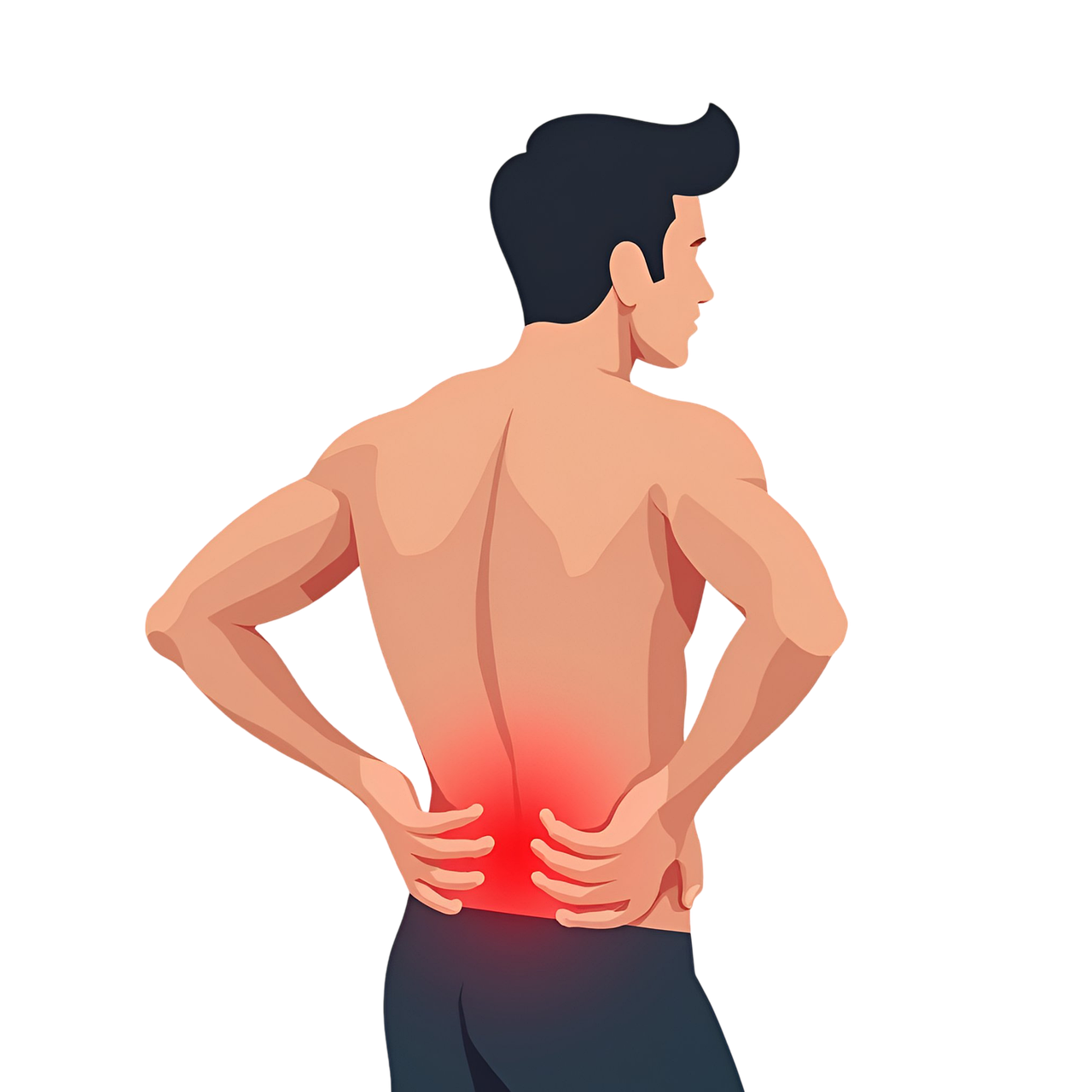

The Impact of Postural Correction on Rehabilitation Outcomes
Posture plays a crucial role in the overall mechanics of our bodies, influencing functions and movements. Poor posture can lead to several complications, including chronic pain, decreased flexibility, and even injury. Understanding the impact of postural correction on rehabilitation outcomes is essential for healthcare professionals and patients. By addressing postural issues early, individuals can significantly enhance their recovery process. Various studies have indicated a direct correlation between improved posture and enhanced recovery rates. Practicing good posture during rehabilitation can help alleviate stress on musculoskeletal structures, promoting healing. For instance, realigning the spine can improve nerve function and blood circulation, which are vital for effective recovery. Patients are often taught techniques and exercises specifically targeting postural alignment. The role of physical therapists in this phase cannot be overstated, as they provide invaluable guidance and adjustments. Dedicated posture correction plans ensure that patients not only recover but also learn to maintain their improved states. Consequently, incorporating postural education into rehabilitation can yield long-term benefits, setting individuals up for greater success in their everyday activities and overall health.
Understanding Posture and Its Role in Health
Posture can be defined as the position in which someone holds their body when standing, sitting, or lying down. It influences our physical health and can have profound effects on our quality of life. Proper alignment of the body minimizes stress on osseous and muscular structures, which helps prevent injuries and can aid in pain alleviation. In the context of rehabilitation, understanding correct postural alignment is even more critical. It is essential for successful recovery from injuries and chronic conditions. Individuals who maintain poor posture often experience imbalances which can exacerbate existing conditions, leading to a cycle of discomfort and dysfunction. Correction techniques include engaging in targeted exercises, utilizing ergonomic setups at work or home, and becoming aware of daily habits that contribute to misalignment. By focusing on these elements, patients can significantly reduce the risk of injuries in both rehabilitation settings and daily life. Challenges often arise when patients have developed engrained habits over time. However, with guidance, patience, and perseverance, patients can learn to adopt healthier postural behaviors that lead to improved overall health.
One of the most effective methods of postural correction is through core strengthening exercises. The core includes muscles around the abdomen, lower back, and pelvis, which play a pivotal role in stabilizing the body. When the core muscles are weak, individuals may adopt compensatory postures, leading to potential injuries and pain. Including specific core conditioning exercises within rehabilitation programs can greatly enhance postural alignment. This process not only fosters greater strength but also provides a foundation for proper body mechanics. A physically stable core can reduce the strain on the spine and supporting muscles, facilitating better movement patterns. Physical therapists often develop tailored programs that integrate diverse exercises aimed at core strengthening. Additionally, incorporating balance and flexibility training can complement this approach, further enhancing stability during activities. Consistent practice leads to the development of muscle memory, instilling the proper postural habits. Patients who engage in comprehensive rehabilitation programs focusing on these areas frequently report significant improvements in therapeutic outcomes. When rehabilitative care is paired with education about posture and body mechanics, patients are equipped to prevent future injuries.
Integrating Posture Education in Rehabilitation
Increasing the emphasis on posture education within rehabilitation settings can produce notable outcomes. Education regarding the importance of maintaining optimal posture empowers patients to take an active role in their healing process. It encourages them to make informed decisions about their body movements and positions throughout their daily lives. Educational workshops and personalized training sessions serve as valuable tools for facilitating this learning. Physical therapists can utilize visual aids, practical demonstrations, and technology to enhance patients’ understanding of postural principles. Additionally, reinforcing these concepts during therapy sessions can help solidify learning. Another significant aspect is exploring the psychological benefits of posture correction. Improved self-image, increased confidence, and heightened awareness of body alignment can foster positive emotional states. Success in rehabilitation is not solely linked to physical recovery but also includes mental well-being. Patients frequently express satisfaction when they feel educated and empowered, contributing to their motivation to maintain new habits. When rehabilitation incorporates both physical and educational strategies, it creates a more holistic approach that benefits patient outcomes significantly. Posture education is essential for sustainable recovery and overall health maintenance.
Implementing technology can enhance posture correction efforts within rehabilitation processes. Wearable devices equipped with sensors enable real-time monitoring of posture, providing immediate feedback to users. These tools help identify when an individual is deviating from optimal alignment, allowing for prompt corrective action. As technology advances, its integration into rehabilitation programs becomes increasingly feasible, facilitating lasting change in postural habits. Patients often feel encouraged to improve when they receive data notifying them of their progress. Additionally, mobile applications designed for posture tracking can offer guidance through tutorials and exercises based on individual needs. Engaging patients through these platforms can help keep them motivated and committed to their rehabilitation journey. Data from these tools can also aid physical therapists in tailoring intervention strategies more effectively. The combination of traditional therapeutic techniques with these modern approaches creates a comprehensive roadmap for recovery. Ultimately, utilizing innovation can lead to enhanced outcomes for patients, promoting greater adherence rates to therapeutic exercises. Technology’s role in rehabilitation is not just a passing trend; it signifies a critical shift that can transform how patients achieve postural correction.
Challenges in Postural Correction During Rehabilitation
Despite the many benefits of postural correction in rehabilitation, several challenges remain that hinder progress. One common issue is the lack of patient adherence to prescribed exercise regimens. Many individuals struggle to integrate new habits into their daily routines, often leading to setbacks. This challenge underscores the importance of setting realistic goals and communicating openly with patients about their expectations. Therapists must also tailor their methods to align with personal motivations and lifestyle constraints. Educating patients about the repercussions of poor posture can serve as a driving force to maintain strict adherence. Additionally, some patients may have ingrained patterns of behavior that take time to alter. This gradual process may require ongoing support and commitment from both therapists and patients. It is also essential to remember that each individual’s journey is unique. Factors such as age, prior injuries, and overall health status can influence rehabilitation experiences. Acknowledging and addressing these differences promotes more personalized care. Encouraging a supportive environment that fosters accountability and progress is vital in overcoming these challenges. Rehabilitation practices must adapt continuously to best serve patients in their recovery endeavors.
The outcome of postural correction is not only seen in the physical aspects but also reflects significantly in mental health. Numerous studies have established a link between posture and mood. For instance, individuals maintaining upright postures often report feelings of empowerment and positivity. Conversely, slumped postures can evoke feelings of low energy and decreased motivation. When patients work on correcting their posture throughout rehabilitation, they often experience an uplift in emotional well-being as well. Addressing mental health within the rehabilitative framework emphasizes the holistic approach of treatment. Patients benefit from a dual focus on physical and psychological aspects, enhancing motivation to adhere to rehabilitation regimens. Support groups can also play a crucial role, as individuals share their experiences and progress with one another. This sense of community fosters resilience and encourages positive self-talk, which can reinforce the importance of maintaining proper posture. Additionally, therapists can incorporate mindfulness practices and breathing techniques to enhance both posture and mental clarity. Overall, the interconnected nature of physical and mental health reinforces the need for comprehensive rehabilitation programs that encompass postural correction.
In conclusion, the impact of postural correction on rehabilitation outcomes cannot be overstated. It plays a critical role in the success of recovery by influencing various facets of health. From preventing injuries and improving aesthetics to enhancing emotional well-being, proper posture is foundational to optimal health. Incorporating postural education, core strengthening exercises, technology, and consistent practice into therapeutic programs promotes long-term benefits for patients. As healthcare providers adopt a more integrated approach, it is vital that they remain adaptable to each patient’s unique needs. Emphasizing accountability between therapists and patients encourages more profound commitment to rehabilitation strategies as well. Ultimately, adopting postural correction as a central component in rehabilitation not only aids in recovery but also fosters healthier lifestyles overall. Continuous research and education in this field will further clarify the dynamic relationship between posture and rehabilitation outcomes. Embracing this understanding will guide healthcare providers in developing more effective interventions. In a world where our postures are constantly challenged by sedentary lifestyles and technology, prioritizing posture correction is essential for both current and future generations. Making informed choices about our posture today can lead to better health outcomes and improved quality of life.