
Top Benefits of Electrical Stimulation in Sports Recovery
Electrical stimulation therapy has gained momentum in the realm of sports recovery due to its remarkable benefits. Athletes often take on rigorous training regimes that lead to muscle fatigue and micro-tears. Utilizing electrical stimulation can alleviate some of these negative effects, enhancing athletes’ recovery processes. This therapy works by sending electrical impulses to stimulate muscles, mimicking the natural process of contraction. Ultimately, this results in improved blood flow, delivering essential nutrients necessary for recovery. Moreover, incorporating this technique can lead to quicker rehabilitation times, allowing athletes to return to their sport much faster. A significant advantage of electrical stimulation is its pain management capabilities. Athletes commonly experience pain post-training, and electrical stimulation can decrease muscle soreness effectively. It acts on nerve pathways, reducing the sensation of pain and discomfort. Therefore, athletes can benefit from reduced reliance on painkillers, which may cause unwanted side effects. With an increasing number of sports teams integrating this technology, its efficacy is continuously backed by clinical studies. Ultimately, electrical stimulation therapy presents itself as a valuable tool in any athlete’s recovery arsenal, driving performance enhancement while ensuring safer practices.
One of the most compelling aspects of electrical stimulation therapy is its ability to enhance muscle recovery after competition. During high-intensity sports, muscle fibers endure significant stress, leading to fatigue and potential injuries. The application of electrical stimulation encourages these stressed muscles to recover by promoting circulation and metabolic processes. Enhanced blood flow facilitates the exchange of nutrients and oxygen required for optimal recovery. Additionally, the treatment improves lymphatic drainage, which can help reduce swelling and inflammation commonly seen in athletes. As inflammation subsides, it further aids in alleviating pain and discomfort, fostering a swifter return to training. This method can ultimately reduce the overall downtime for athletes, allowing them to focus on returning to their peak performance levels sooner rather than later. Many athletes find that regular use of this therapy not only helps them recover faster but also prevents injuries from occurring in the first place. With a proactive approach, athletes can keep muscle fatigue at bay, ensuring enhanced performance on the field. Thus, electrical stimulation therapy is not just a reactive measure; it’s an essential component of a comprehensive injury prevention strategy that athletes should consider.
Improved Muscle Strength and Endurance
Electrical stimulation therapy does not solely focus on recovery; it can also contribute to enhancing muscle strength and endurance. This innovative therapy creates muscle contractions that simulate the effects of exercise without the actual physical strain. For athletes unable to train due to injuries, electrical stimulation offers a viable method to maintain muscle strength. By activating motor units in the muscles, athletes can preserve muscle mass during periods of inactivity. This is vital as maintaining muscle strength helps ensure a quicker return to competition once injury recovery is achieved. Furthermore, athletes utilizing this type of therapy often report noticeable gains in endurance levels, allowing them to perform longer while maintaining their energy reserves. This is especially beneficial in sports that require sustained effort over long durations. Clinical trials have indicated that regular electrical stimulation can enhance performance metrics such as speed and agility. As athletes incorporate this therapy into their training regimens, they may discover that they achieve enhanced performance goals quicker than traditional methods allow. Overall, electrical stimulation therapy is a multifaceted approach that can support various aspects of athletic performance.
Pain relief is a crucial element of any recovery plan, and electrical stimulation excels in this area. Athletes frequently battle various types of pain stemming from training, minor injuries, or even chronic conditions. Traditional pain relief methods can sometimes lead to side effects or dependency, making alternative solutions far more appealing. Electrical stimulation works through a mechanism known as the Gate Control Theory, which suggests that the stimulation can block pain signals before they reach the brain. During therapy sessions, many athletes report a significant reduction in pain levels, which allows them to engage in their training regimens comfortably. By alleviating pain, athletes can focus more on their performance and less on discomfort. Moreover, electrical stimulation can be used in combination with other recovery methods, enhancing overall effectiveness. This versatility allows athletes to customize their recovery plans according to their specific needs and conditions. As more athletes turn to holistic practices for physical issues, electrical stimulation proves a friendly companion to their recovery journey. Thus, this therapy not only serves immediate pain relief but can also help promote long-term physical well-being.
Reduced Muscle Spasm and Tension
Muscle spasms can be one of the most frustrating obstacles an athlete encounters during recovery. They often occur when muscles are overused or overstretched, and can cause significant discomfort and delays in the healing process. Electrical stimulation therapy can be incredibly effective in addressing these muscle spasms by promoting relaxation within the affected muscles. The electrical impulses delivered through this therapy stimulate sensory receptors, prompting the muscles to relax and release excessive tension. This is vital for creating a conducive environment for recovery as minimized tension leads to improved blood circulation. Furthermore, as spasms lessen, athletes can better engage in mobility exercises that are essential for effective rehabilitation. Reduced muscle tension also means improved flexibility and range of motion, all crucial for athletic performance. Many athletes and therapists incorporate this therapy into their recovery protocols specifically for its spasm-reducing capabilities. The reliance on electrical stimulation for tension relief enables athletes to maintain their training schedules while minimizing risks of injury, ensuring they stay on track with their fitness objectives.
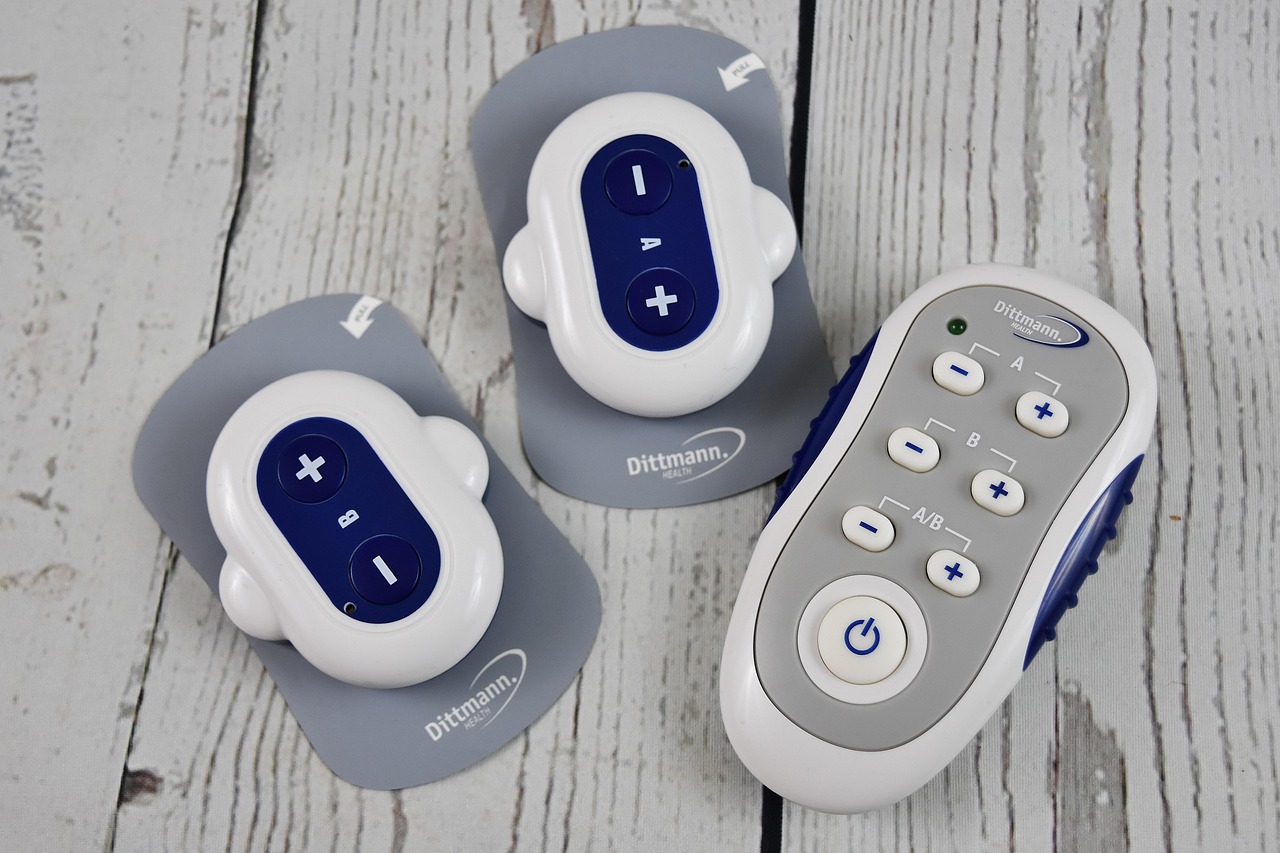
The convenience of electrical stimulation therapy is yet another reason it has become a favorite among athletes globally. With advancements in technology, portable devices have made it easier than ever for athletes to access this therapy at their convenience. Athletes can use portable electrical stimulation units either in training facilities or at home. This flexibility allows athletes to tailor their recovery schedules to fit their personal needs and busy lifestyles. With adjusted timelines, they can incorporate therapy into their daily routines comfortably. Furthermore, these devices often feature adjustable settings that provide athletes with the ability to customize their treatment based on their specific pain points or recovery goals. By having on-demand access to this form of therapy, athletes can embark on their recovery journey without requiring immediate professional assistance. This independence is especially beneficial for those who may not have easy access to rehabilitation specialists. Overall, the convenient use of electrical stimulation therapy empowers athletes with greater control over their recovery processes, ultimately leading to enhanced outcomes.
Conclusion and Future of Electrical Stimulation
As the field of sports recovery evolves, electrical stimulation therapy continues to grow in popularity among athletes and trainers alike. This treatment modality not only facilitates faster recovery but also opens avenues for improved performance and injury prevention strategies. With increasing research backing its effectiveness, athletes are more inclined to incorporate it into their training routines. The future of electrical stimulation looks promising as technology continues to advance, potentially leading to even more effective applications. Innovations in the field may introduce smarter devices capable of better tracking recovery metrics, allowing athletes to adjust their training and therapy more intuitively. As understanding of physiological responses to electrical stimulation grows, therapists can utilize more tailored approaches for individual athletes. This personalized treatment can ultimately yield even better results, promoting healthier athletic careers overall. With more sports organizations recognizing the significance of injury prevention measures, electrical stimulation therapy is set to play an essential role in athletes’ long-term health and performance goals. As it stands, this method is not merely a trend in sports therapy; it represents a foundational shift towards holistic recovery methods crucial for athletes today.
In conclusion, electrical stimulation therapy presents numerous advantages, making it an invaluable tool for athletes. From expediting recovery and enhancing muscle endurance to alleviating pain and reducing muscle tension, its comprehensive benefits are evident. The technology promotes effective rehabilitation, enabling athletes to maintain peak performance while minimizing injury risks. As popular as it has become, it is essential to combine this therapy with conventional treatments and approaches. Athletes should work closely with healthcare professionals to devise recovery plans that integrate electrical stimulation effectively along with other modalities. Also worth noting, dictating usage frequency and intensity is vital for optimizing results. Whether an athlete is at the peak of their career or just beginning, electrical stimulation therapy can significantly elevate their recovery process. As practitioners continue to explore this approach, new developments in this treatment modality will enhance its effectiveness even further. Ultimately, embracing such innovative recovery techniques is paramount for promoting long-term athletic health and sustainability. Thus, considering electrical stimulation therapy as part of training regimens can lead to a more profound understanding and appreciation of the recovery process, crafting a better approach to sports recovery for all athletes.