
What Are the Best Prenatal Exercises for Each Trimester?
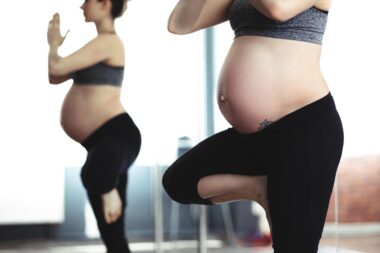
During pregnancy, it’s important to stay active and maintain fitness, which contributes to overall health. Prenatal exercises can bring numerous benefits, such as reducing back pain, enhancing mood, and improving sleep quality. In the first trimester, focus on low-impact activities like walking or swimming. These exercises help manage weight gain while keeping energy levels up. Additionally, prenatal yoga is beneficial for flexibility and relaxation while connecting with the baby. Always listen to your body, adjusting intensity when necessary. Remember to consult your healthcare provider before starting any new exercise regimen. Staying hydrated and avoiding overheating are essential for safe workouts. Moreover, performing gentle stretching can alleviate tension as the body changes. Opt for stability exercises that strengthen the core and lower body, further supporting the growing belly. Taking group classes can also provide social support, making the journey enjoyable. As fitness continues to be a significant component, it’s advisable to establish a routine that aligns well with your health needs, ensuring both you and your baby thrive during this precious time.
In the second trimester, enhancements in strength and endurance become the focus. This phase often brings increased energy levels, allowing mothers to engage in more challenging exercises. Pilates is a fantastic option to strengthen the core while increasing body awareness. Performing tailored strength training routines can improve upper body strength, essential for carrying the baby. Incorporating resistance bands into workouts can provide a safe way to enhance muscle toning. Activities like dancing or aqua aerobics can also be fun, aiding cardiovascular fitness without excessive strain. Moreover, adding pelvic floor exercises can be beneficial in preparation for labor and postpartum recovery. Connecting with the baby through movement fosters a strong bond, making the experience even more fulfilling. Listen to your body’s signals carefully and adapt exercises if discomfort arises. Water workouts remain popular during this stage, providing buoyancy and reducing pressure on the joints. Maintaining a regular routine can help alleviate stress, elevate mood, and foster a sense of accomplishment. Remember to celebrate small victories as you progress and enjoy the journey of becoming a parent.
Maintaining Fitness into the Third Trimester
As you approach the third trimester, adaptability in your fitness routine becomes key. Your body undergoes significant changes, and comfort should be prioritized without sacrificing activity. Gentle exercises like walking, stationary cycling, and prenatal yoga will keep you active while preparing for labor. Focus on maintaining muscle strength without overexertion, as your body requires more energy and rest. Consider employing bouncing ball exercises, which can ease back tension and promote pelvic flexibility. Stability ball workouts can also relieve pressure off the lower back. Practicing deep breathing techniques in tandem with gentle movements can help you effectively handle labor. Remember to incorporate stretches that target the hips, thighs, and lower back; this can ease discomfort as the due date approaches. Hydration remains essential during workouts. Many women find that light exercise can significantly reduce anxiety, providing mental clarity amidst changes. Ensure that any exercise performed is approved by a healthcare professional, especially with individual circumstances. Enjoy these last active moments before welcoming your little one, focusing on maintaining your well-being during this magical time of transition.
After the baby arrives, embracing postpartum fitness safely is crucial. Start with gentle movements and exercises that promote recovery and align with your body’s current capabilities. Walking is an excellent way to regain strength and improve cardiovascular health. Gradually introduce core rehabilitation exercises that specifically target pelvic floor restoration. If you had a cesarean section, waiting for your doctor’s go-ahead is vital before resuming any rigorous workouts. Always listen to your body, gradually increasing intensity over time. Incorporating activities like gentle stretching can help alleviate tension and promote relaxation amidst the busy life of a new parent. Many new mothers find support groups, where postpartum workouts are done collectively, enhancing motivation and emotional well-being. Breastfeeding mothers should stay hydrated and eat nutritious foods to support their energy levels. Engaging in parent-and-baby classes can provide a fun bonding experience while ensuring you’re physically active. Expect changes, and be patient with yourself as your body adapts to new challenges. Exercise can act as an outlet for stress release, making it easier to embrace the joys and hurdles of motherhood.
Tips for Safe Prenatal and Postnatal Exercise
To maximize benefits and ensure safety during prenatal and postnatal exercises, consider several key tips. Firstly, always consult your healthcare provider before starting any new exercise plan. They can provide specific recommendations based on your health history. Next, establish a consistent routine that incorporates various types of exercises, including aerobic, strength, and stretching activities. Listen to your body’s cues constantly and modify your workouts as necessary. It’s essential to stay hydrated, particularly during workouts and in warmer weather. Wearing comfortable, supportive clothing can also enhance the exercise experience. Focus on quality over quantity; shorter, more effective workouts may yield better results than longer sessions. Make use of resources like prenatal and postnatal fitness classes, which offer expert guidance while connecting with other mothers. Finally, remember to celebrate progress, no matter how small; every step positively impacts your well-being. Emphasis should be placed on enjoying your fitness journey, as maintaining a positive attitude will contribute greatly to overall happiness. Engaging in physical activity can significantly enhance both mental and physical health during this transformative phase.
In conclusion, staying active during and after pregnancy offers many benefits to both mother and baby. Each trimester presents unique opportunities for exercise that cater to the evolving body and its needs. The first trimester emphasizes low-impact activities, while the second and third trimesters allow for more strength-based routines, adapting as the pregnancy progresses. Postpartum fitness focuses on gradual recovery and reintegrating into an active lifestyle. Balancing safety and comfort ensures a smoother transition through all phases, which is crucial for overall well-being. Moreover, having a support network plays a vital role in keeping motivation high and improving the experience of motherhood. Understanding key tips such as listening to your body, staying hydrated, and consulting healthcare professionals is essential in creating an effective exercise plan. Embrace this journey fully, as it leads to a nurturing and fulfilling experience of motherhood, enriched by fitness. Celebrate the small milestones and the connections you form through your workouts. Rediscovering strength, flexibility, and mental clarity is possible through each exercise step. Ultimately, prioritize health, adapt to changes, and enjoy each moment as you embark on this incredible journey.
Future Steps in Postnatal Fitness
As you continue on the path of postnatal fitness, exploring opportunities becomes vital for sustained well-being. Engaging in different exercise programs can prevent monotony and maintain interest. Participating in fitness-oriented mothers’ groups allows for social interaction while exercising, creating a supportive environment. Many women opt for specialized fitness classes designed for mothers and babies, which can help build community and shared experiences. Additionally, consider consulting a personal trainer experienced in postnatal recovery for tailored exercises and routines suitable for your unique journey. Prioritizing heart health through aerobic exercises alongside strength training can enhance physical resilience, essential for daily motherhood challenges. Keep track of your progress; journaling workouts and feelings can motivate and foster connection between body and mind. Nutrition remains a crucial cog in this journey. Eating healthy, balanced meals will fuel your recovery and sustain energy levels throughout busy parenting days. Be patient and realize that results take time as your body adjusts. Celebrate achievements, reinforcing confidence and love for yourself as you integrate fitness seamlessly into your new lifestyle. This holistic balance promotes happiness, well-being, and fulfillment in motherhood.
To conclude, navigating the world of prenatal and postnatal fitness offers numerous rewards that enhance the experience of motherhood. It is important to prioritize health to support physical and emotional well-being. Each trimester presents unique opportunities for specific types of exercises, adapted to the changes in the body. Movement contributes to improved energy levels, reducing fatigue and encouraging relaxation. The postpartum phase is not simply about recovery but also about discovering new ways to connect with your body. Continuous learning about safe exercises and nutrition will be pivotal in this journey of rediscovery. As each phase in motherhood has unique challenges, having a plan remains essential for striking a balance between caring for oneself and the baby. Incorporating holistic approaches can keep motivation high and cultivate joy in daily life. Your body will evolve over time, and adapting your fitness routine is crucial for long-term health. Emphasizing the small victories and aesthetically pleasing routines can make exercise enjoyable and rewarding, creating a fulfilling experience. As you embrace this transformative journey, remember that self-care and fitness will not only benefit you but also nurture your role as a dedicated parent.