
Advanced Strength Training Techniques for Elite Volleyball Players
In the world of volleyball, strength training is an essential component that separates elite players from the rest. To excel on the court, volleyball players must implement advanced strength training techniques tailored specifically for their needs. These techniques not only enhance physical performance but also reduce the risk of injuries. The primary focus should be on improving explosive strength, which significantly impacts a player’s jump height and overall agility. The incorporation of Olympic lifts, such as the clean and jerk, can produce remarkable results when executed correctly. Additionally, plyometric exercises are invaluable for developing the fast-twitch muscle fibers required for power and speed. It is crucial to combine these with proper warm-up routines, including dynamic stretches, to ensure optimal performance and prevent injuries. Adding periodization to their training regimens allows players to systematically vary their training intensities and focuses. As part of a comprehensive training strategy, integrating regular assessments will help athletes track their progress and make necessary adjustments. The execution of each exercise with proper form is vital to achieving the desired results while minimizing injury risks. Therefore, developing a dedicated training plan centered around these principles is indispensable.
Proper nutrition also plays a vital role in ensuring the effectiveness of strength training for volleyball players. To fuel their demanding training regimens, players should consume a balanced diet rich in essential nutrients, including carbohydrates, proteins, and healthy fats. Carbohydrates serve as the primary energy source during intense physical activity, while proteins are critical for muscle repair and growth. Incorporating high-quality protein sources, such as lean meats, fish, and plant-based options, can help players recover and build strength more efficiently. Furthermore, hydration cannot be overlooked, as it supports overall body function and enhances performance. Regular monitoring of hydration levels, especially during training sessions, can prevent dehydration and maintain optimal performance levels. Additionally, integrating supplements like creatine, beta-alanine, and branched-chain amino acids (BCAAs) may aid in recovery and performance when used responsibly. Time management is crucial; therefore, planning meals around training schedules ensures adequate fuel and recovery. Players should also consult with nutritionists to tailor their dietary needs to fit their specific goals and performance requirements. Combining effective strength training with proper nutrition creates a strong foundation for volleyball athletes aiming to reach elite performance levels.
One of the most efficient training techniques for volleyball strength is incorporating resistance band training into workouts. Resistance bands are versatile tools that can enhance strength and stability through various exercises. They allow for the development of strength in specific movements, emphasizing the muscles used during volleyball execution. For instance, performing banded squat jumps can significantly increase explosive power, essential for successful blocks and spikes. Furthermore, resistance bands can help improve overall coordination and flexibility, crucial attributes for any volleyball player. Another beneficial technique is incorporating balance exercises, which condition stabilizer muscles that support strength. Single-leg drills, such as balance squats or Romanian deadlifts, enhance proprioception and task performance on the court. To maximize muscle engagement, players can also employ techniques like supersets or circuit training, increasing workout intensity and efficiency. Regularly changing the training routine helps prevent plateaus and keeps workouts engaging. Moreover, maintaining a focus on form and technique during these exercises ensures effective strength development while minimizing the risk of injury. By incorporating diverse resistance training techniques, volleyball players can build a strong and resilient body capable of excelling on the court.
Functional Strength Training
Functional strength training is another essential aspect that elite volleyball players must consider when designing their training programs. This approach emphasizes movements that closely resemble the actions performed during matches, providing significant advantages in overall performance. By focusing on functional movements, players can enhance their agility, stability, and strength in various positions on the court. Exercises like lunges, kettlebell swings, and medicine ball throws mimic the rapid directional changes and explosive actions in a volleyball match. Moreover, incorporating rotational movements is crucial, as volleyball involves a lot of twisting and turning. Exercises such as woodchoppers or Russian twists can improve core strength and stability, which are critical for maintaining balance and executing powerful attacks. Understanding the importance of coordination throughout strength training also contributes to better execution of techniques during matches. Utilizing compound exercises, which engage multiple muscle groups simultaneously, can produce efficient results. Additionally, functional training often incorporates unstable surfaces, such as balance boards or stability balls, further challenging the athlete’s core and stabilizing muscles. Focusing on these functional training methods can lead to improved athletic performance during actual games.
Another vital area of volleyball strength training is the emphasis on recovery and injury prevention. Injuries can significantly derail an athlete’s training and performance, so it’s essential to prioritize recovery strategies alongside strength training programs. Integrating techniques like foam rolling, massage therapy, and stretching can enhance muscle recovery and flexibility. Foam rolling, in particular, helps break down muscle knots and increase blood flow, promoting efficient recovery after intense workouts. Moreover, implementing cooldown routines that include static stretching can assist in maintaining muscle length and reducing soreness after training sessions. Active recovery, such as low-impact exercises or yoga, can also aid in maintaining mobility and flexibility while allowing the body to recuperate. Structuring training schedules with built-in rest days is essential, ensuring that the body has ample time to heal and adapt to training loads. Additionally, focusing on proper warm-ups specific to volleyball can prevent injuries and prepare the body for high-intensity drills. Educating players about listening to their bodies and recognizing fatigue signals is crucial for sustainable performance and long-term development in their volleyball careers.
The Role of Technology in Training
In recent years, technology has played a pivotal role in enhancing strength training techniques for elite volleyball players. The integration of performance-tracking devices, such as heart rate monitors and GPS systems, provides invaluable data regarding training intensity and effectiveness. These technologies allow athletes and coaches to tailor workouts based on individual responses and goals. Video analysis software is also becoming increasingly popular, enabling players to dissect their movements and identify areas for improvement. This feedback can lead to more efficient training, as athletes can adjust their techniques in real-time during practice sessions. Moreover, virtual reality training programs are emerging as game-changers, offering immersive environments where players can practice skills and simulate match scenarios. These advancements provide unique opportunities for developing mental toughness and decision-making on the court without physical constraints. Players can benefit immensely from detailed analytics and insights generated by technology, taking their training approaches to new heights. By leveraging these tools, volleyball athletes can enhance their strength training strategies, optimize performance, and ultimately lead to better outcomes during competitive play.
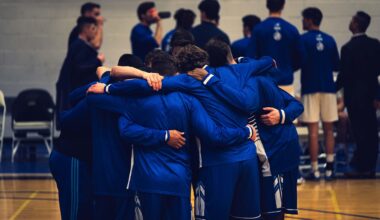
Finally, maintaining a strong mental attitude alongside physical strength is critical for elite volleyball players. The mental aspect of training and competition should not be underestimated, as it plays a crucial role in overall athletic performance. Implementing mental conditioning exercises, such as visualization techniques and mindfulness practices, can enhance focus and confidence on the court. Players often face high-pressure situations during matches, and a strong mental state enables them to perform optimally. Developing positive self-talk strategies can help athletes combat anxiety and build resilience, particularly during challenging training sessions or competitions. Team cohesion is another essential factor influencing mental strength; fostering supportive relationships among teammates strengthens the team’s overall performance. Strategies to promote team bonding, such as group workouts or team-building activities, can create a positive training environment that contributes to individual growth. Athletes should also set specific, measurable goals, ensuring they stay committed and motivated throughout their training journey. By embracing both mental conditioning techniques and a supportive team environment, players can achieve higher levels of success and reach their full potential in volleyball.