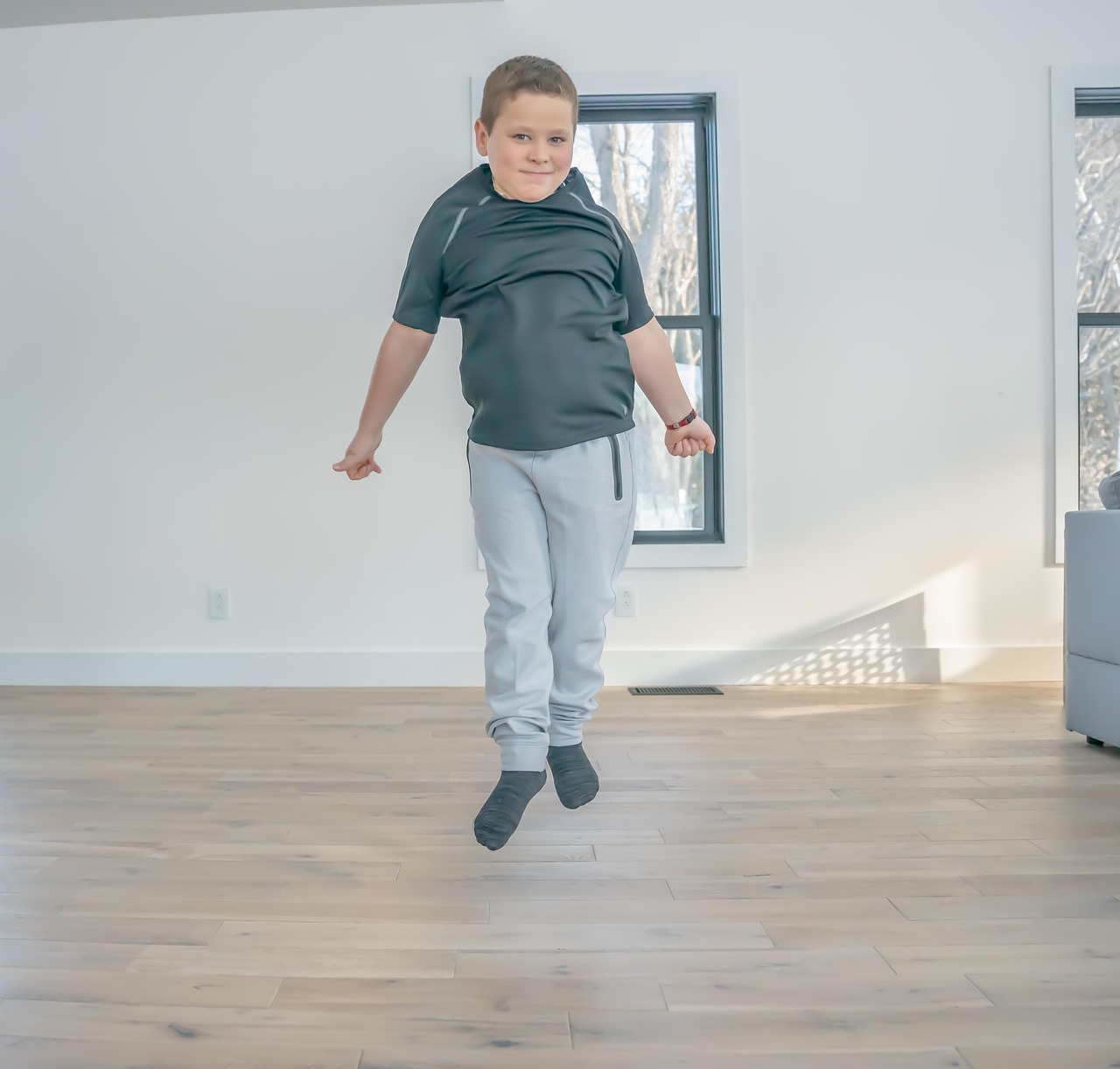

Durability and Design: Wearables Built for Kids’ Active Lifestyles
When it comes to kid-friendly wearables, manufacturers face the unique challenge of combining durability with appealing design. Children are naturally more active than adults, which means their fitness gadgets must withstand rough play and occasional drops. The best wearables for kids are constructed using robust materials that can handle the wear and tear associated with daily adventure. For instance, rubberized cases and shatterproof screens improve longevity and usability. Aside from durability, aesthetics play a crucial role; kids prefer bright colors and fun shapes, which can motivate them to use their devices consistently. Many wearables are designed in collaboration with children’s interests in mind, including popular characters and themes that make the products more engaging. Additionally, wearables that offer customizability allow kids to express their own personal style. In a growing market, brands must innovate not just for performance but also to connect with the younger audience emotionally, turning simple fitness tracking into something fun and exciting, encouraging healthy habits from an early age.
Features to Keep Kids Engaged
Wearables geared towards kids are not merely fitness trackers; they are full-fledged devices designed to keep young users engaged and motivated. One of the key features is gamification; many devices turn exercise into games, rewarding children with points or badges for reaching fitness goals. This can transform mundane activities like walking or playing into exhilarating challenges, encouraging a more active lifestyle. Social components are also integral; kids can connect with friends or family members, creating friendly competition that fuels enthusiasm for fitness. Customizable avatars and interactive challenges add layers of fun, making these devices more than just health tools. Safety features should not be overlooked either; many wearables offer location tracking and SOS functions, giving parents peace of mind while promoting independence. Moreover, educational aspects, such as calories burned or active minutes logged, help children become more aware of their physical health. This combination of engaging features makes wearables an exciting companion for children, ultimately instilling lifelong habits of physical activity and wellness.
Another significant aspect parents should consider when purchasing wearables for kids is the battery life of each device. Since children are frequently active, wearables should possess a long-lasting battery that won’t die during playtime. Many top brands have developed innovative battery technologies that extend the lifespan during normal use, ensuring that kids can spend more time enjoying their devices. Additionally, many wearables are designed for quick charging, allowing families to power up devices rapidly without extended downtimes. It’s essential for manufacturers to provide clear information regarding battery life, ensuring that parents are well-informed before making a purchase. Wearables that offer low-battery notifications also empower children to be responsible for charging their devices. Maintaining the watch or band must be easy as well; water-resistant features further safeguard devices against spills and outdoor adventures. Finally, devices with greater durability tend to have longer replacement cycles and can be passed down to siblings or friends, making them a worthwhile investment in both finances and sustainability.
Safety and Monitoring Features
Safety is paramount when selecting wearables for kids, especially as parents want to keep track of their child’s health and location. Many devices come equipped with features such as heart rate monitoring, sleep tracking, and activity logs, offering valuable insights into a child’s physical state. Furthermore, some brands incorporate GPS functionality, allowing parents to monitor their children’s location in real time. This not only enhances safety but also provides reassurance for both kids and their parents. Additionally, some wearables feature emergency alerts, where kids can notify their parents with just a press of a button. Wearables with customizable privacy settings ensure that sensitive data stays protected, providing a level of comfort for parents. This blend of safety and health monitoring can empower kids, encouraging them to take charge of their own wellness while allowing parents to ensure they are safe and thriving. These features also help promote healthy habits, guiding children toward better lifestyles, making them more aware of their fitness and health journey.
Many parents find it challenging to encourage their children to stay active in today’s digital world, filled with captivating screen-based entertainment. Fitness wearables bridge this gap, seamlessly integrating technology into the kids’ lifestyle while promoting physical activity. By using wearables, parents can create a balanced approach, combining traditional play with tech-driven health challenges. This hybrid model allows for more holistic growth while fostering essential social interactions. For instance, wearables that connect with interactive apps can mobilize kids, leading them to explore outdoors and participate in sport activities. Parents can also set communal goals or challenges through these apps, engaging the entire family in physical activities. This active collaboration can turn a simple evening stroll into a family event rather than a chore. It’s also important for parents to lead by example, wearing their own fitness trackers to show the benefits of an active lifestyle. Educational elements in these devices instill both knowledge and accountability, making wearables not only fitness tools but also life educators that impart critical lessons about health and wellness.
Affordability and Value
One significant consideration when choosing wearables for kids is affordability, especially since children outgrow devices quickly. Parents want to ensure they’re getting good value for their investment without sacrificing quality. Fortunately, the market offers a range of options, from budget-friendly devices to premium brands, allowing families to choose according to their financial comfort. Many excellent wearables come at lower price points without compromising quality, offering essential features that can motivate and engage kids. It’s also wise to consider the longevity of the device, as robust built devices can withstand children’s rough play and last through various phases of growth. Extra features such as mobile app integrations could offer long-term engagement, making them worth the initial purchase price. Moreover, frequent discounts and promotions can help families take advantage of premium features at reduced prices. Investing in a quality wearable promotes an active lifestyle, and the entire family can benefit from enhanced well-being using these devices, making them a smart choice for health and fun.
As technology continues to evolve, the future of wearables for kids appears promising. Innovations are expected to enhance the interactive experience, making fitness tracking even more exciting and engaging for children. New features such as augmented reality (AR) integration could revolutionize how kids interact with their wearables, merging the digital and physical worlds. Additionally, advancements in artificial intelligence (AI) may provide personalized recommendations tailored to a child’s specific activity level and preferences. With ongoing developments, wearables are anticipated to become an essential part of children’s lives, supporting their physical and emotional well-being. Manufacturers will likely prioritize a user-friendly design, ensuring that kids find their devices appealing and easy to use. Ultimately, the impact of these advancements on the next generation’s health could be immense, fostering not just fitness but also cognitive skills as children learn to manage their own well-being through technology. As such, the future landscape for wearables is set to create exciting possibilities, bridging the gap between fitness, technology, and imagination.
Conclusion
Wearables for kids have become essential tools in enhancing children’s health and activity levels while accommodating their adventurous lifestyles. The right blend of durability, engaging design, and interactive features can cultivate an enduring appreciation for fitness. Parents looking to encourage active habits find that these devices not only serve as workout intermediaries but also as educational tools that empower children. By promoting physical activity through fun challenges and gamification, wearables can instill healthy habits from a young age. As the market continues to expand, features such as health monitoring, safety elements, and affordability are crucial in parent decision-making. The future of fitness wearables for kids promises even more innovative enhancements and educational opportunities that support lifelong wellness. Ultimately, investing in wearables is not just a purchase but a step towards nurturing a healthier, more active future for children. Wearables represent the intersection of technology, health, and engagement, creating a compelling cause for families to prioritize fitness in an increasingly sedentary world.