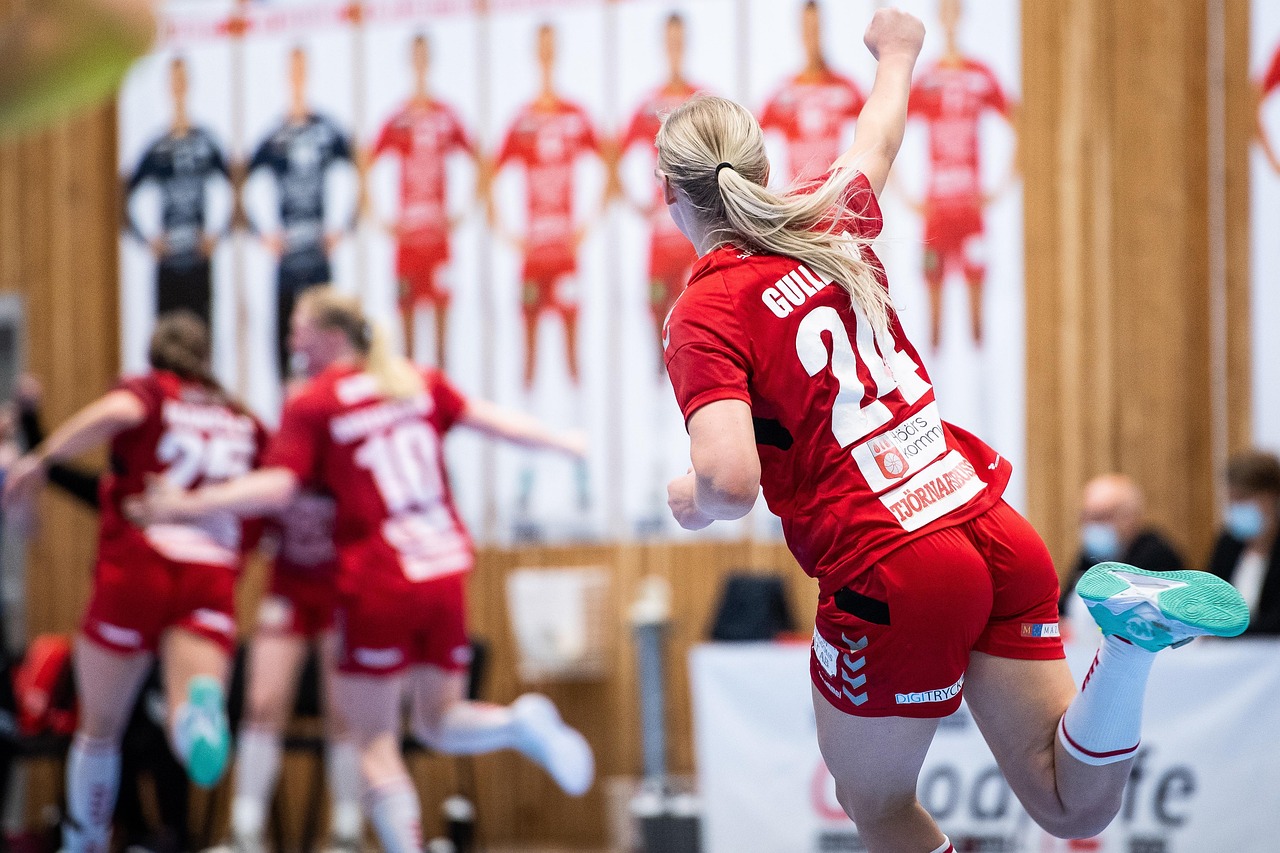

Handball Fitness Training: Building Endurance and Strength
Handball is a dynamic sport that requires a combination of endurance, strength, agility, and coordination. Engaging in focused fitness training can greatly enhance your performance on the court. Athletes need to develop cardiovascular fitness to maintain high levels of energy throughout the game. Endurance training such as running, cycling, or swimming can help improve stamina. Strength training exercises, including weightlifting and resistance band workouts, are equally essential. These exercises should target major muscle groups involved in handball, such as legs, arms, and core. Bodyweight exercises like push-ups, squats, and lunges can also boost strength effectively. To maximize training effectiveness, these exercises should be structured in a well-rounded fitness program. Incorporate interval training, where you alternate between intense activity and moderate activity, to improve both aerobic and anaerobic capacity. Flexibility training cannot be overlooked, as it helps prevent injuries and improves overall performance. Stretching routines should be included after workouts. With proper fitness training, handball players can elevate their game, perform better, and enjoy improved health overall.
Essential Components of Handball Fitness
The key components of fitness training for handball players include endurance, strength, speed, agility, and flexibility. Each of these components plays a vital role in a player’s overall performance. Endurance training helps players maintain their energy levels during the fast-paced matches, where continuous movement is essential. Strength training focuses on enhancing muscle power, which is crucial for shooting, defending, and tackling opponents. Speed training allows players to react quickly and outpace their rivals, while agility training improves their ability to maneuver effectively on the court. Flexibility is crucial as it reduces the risk of injuries and enhances players’ overall range of motion. A combination of these fitness elements creates a holistic training program that prepares players for the demands of competitive handball. Furthermore, conditioning drills can mimic game situations, helping players apply their training to practical scenarios. Specific drills can be tailored to focus on different skills, such as passing accuracy and shooting precision. Therefore, it is critical for trainers and coaches to develop comprehensive training plans that integrate all these fitness components for optimal player conditioning.
Nutrition also plays a significant role in the fitness of handball players. A well-balanced diet is crucial to providing the energy needed for rigorous training and games. Players should focus on consuming a variety of nutrient-dense foods, including fruits, vegetables, whole grains, lean proteins, and healthy fats. Carbohydrates are especially important, as they provide the energy required for strenuous activity during handball tournaments. Additionally, hydration is often overlooked but is equally critical. Players need to stay adequately hydrated before, during, and after games. Consuming electrolytes can also be beneficial, especially in hot conditions where dehydration poses a risk. Meal timing is another consideration; eating a small meal or snack containing carbohydrates and protein about an hour before the game can offer energy without causing discomfort. Post-game nutrition should focus on replenishing glycogen stores and repairing muscles. This can be achieved by consuming a balance of carbohydrates and proteins within an hour after playing. Following these nutritional guidelines will greatly impact performance and recovery, leading to better results during games.
Drills to Enhance Endurance and Strength
To effectively build endurance and strength, specific drills can be incorporated into training sessions. For endurance, consider running drills such as interval sprints on the court, where players sprint for a distance and then jog for recovery. Such drills mimic the stop-and-start nature of handball. Other exercises like shuttle runs can also boost agility and endurance simultaneously. Another effective endurance drill is circuit training, where athletes alternate between various exercises targeting different muscle groups without rest. This ensures a high heart rate is maintained throughout the workout. For strength, resistance training exercises such as weighted squats, deadlifts, and bench presses are excellent. Plyometric exercises like box jumps and jump squats also help to develop explosive strength, which is vital in handball. Implement drills that focus on functional movements, reflecting the real demands faced in matches. Core stability can be improved through planks and medicine ball exercises. Engaging in these targeted drills regularly will lead to noticeable improvements in both endurance and strength, translating to enhanced performance on the court during competitive matches.
Incorporating rest and recovery into a training regimen is equally essential for athletes. Overtraining can lead to fatigue, decreased performance, and even injury. It is important for handball players to schedule rest days into their training programs. Active recovery activities such as walking, light jogging, or yoga can help to promote blood flow and accelerate muscle recovery. Additionally, adequate sleep is crucial for athletes as it greatly affects physical and mental performance. Most adults require 7 to 9 hours of quality sleep per night. Another recovery method is massage therapy, which can aid in reducing muscle soreness and tension. Ice baths and contrast showers are also popular recovery techniques among athletes, providing relief from muscle fatigue. Stretching and foam rolling should be integral parts of any recovery routine and improve flexibility and muscle elasticity. Importantly, listening to the body is key; players should pay attention to signs of fatigue and adjust their training accordingly. Balancing training intensity with adequate recovery ensures sustained performance and longevity in the sport, allowing players to enjoy handball while minimizing fatigue and injury.
Setting Goals and Tracking Progress
Setting achievable fitness goals is an important part of any training program. Players should establish short-term and long-term goals to maintain motivation and monitor improvements over time. Short-term goals may include completing a specific training regimen or attending a certain number of practice sessions per week, while long-term goals could be based on performance metrics, such as improving speed or strength measurements. Tracking progress can help reflect on development and make necessary adjustments in training. Athletes can log their workouts, nutrition, and recovery days, identifying areas for improvement. Utilizing technology, such as fitness apps and wearables, can also aid in tracking performance metrics, offering insights into heart rate and calories burned. Regularly re-evaluating goals ensures that players remain focused and intent on achieving desired outcomes. Additionally, implementing a peer accountability system with teammates can enhance motivation and camaraderie. Sharing achievements and challenges fosters a supportive environment for all athletes. Ultimately, setting and tracking goals in relation to fitness is essential for continual improvement in handball training and player performance.
Lastly, mental preparation is a crucial aspect of fitness training for handball players. The psychological element can often be overlooked but has a significant impact on overall performance during competitions. Visualization techniques can assist players in mentally preparing for both training and games. This involves imagining themselves successfully performing various plays, and overcoming challenges and fears. Building mental resilience can also be enhanced through mindfulness practices, such as meditation and breathing exercises. These practices help players manage stress and performance anxiety, ensuring they remain focused during crucial moments in the game. Developing a positive mindset contributes to improved performance and overall enjoyment of the sport. Engaging in team-building activities can strengthen group dynamics and enhance communication on and off the court. Besides, coaches should encourage open discussions around mental challenges faced by players, mitigating the stigma often associated with mental health in sports. Addressing these topics fosters a healthy environment conducive to growth, enabling players to thrive in their handball journey. By integrating physical and mental aspects into training, athletes ensure a well-rounded preparation and greater confidence.