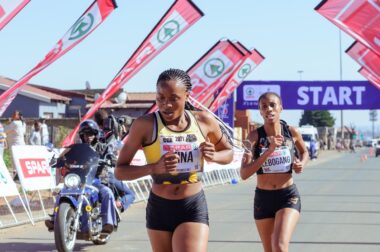

Managing Pre-Competition Anxiety among Female Athletes
Pre-competition anxiety is a common experience for female athletes at every level of sport, affecting their performance and overall mental state. Understanding and managing this anxiety is crucial in optimizing athletic performance and well-being. Female athletes often face unique pressures, including societal expectations, which exacerbate their anxiety levels. These pressures can stem from various sources such as coaches, peers, family, or media. They may fear not just failure in competition, but also failing to meet external or personal standards. The recognition that anxiety is part of the competitive landscape is vital for female athletes to process these feelings effectively. Fostering an environment that promotes open discussions about anxiety can help athletes feel more comfortable sharing their experiences. Specific strategies such as relaxation techniques, visualization, and mindfulness can be employed to combat anxiety. Additionally, utilizing cognitive-behavioral techniques can empower female athletes to change their negative thought patterns. Such transformations can allow for better focus and preparation. It is essential for coaches and sports psychologists to support athletes in developing personalized pre-competition routines, thus helping them manage anxiety and improve performance.
The role of support systems in managing pre-competition anxiety among female athletes is indispensable. Strong relationships with coaches, teammates, and family can create a buffering effect against anxiety. For instance, coaches should be trained to recognize signs of anxiety in their athletes and to provide reassurance and constructive feedback. They can facilitate a supportive atmosphere where athletes feel valued regardless of the outcome. Creating opportunities for team-building activities enhances bonding among teammates, fostering camaraderie and reducing isolation. Female athletes should encourage each other to express their emotions regarding competition pressure, leading to shared experiences that help normalize anxiety. Family dynamics also impact how athletes perceive pressure and react to competition. Involving family members in supportive roles can boost an athlete’s confidence, demonstrating belief in their abilities. Mentorship programs, where experienced athletes guide younger ones, can also aid in managing anxiety by providing insights and coping strategies. Educational workshops on anxiety management techniques for both athletes and coaches may further enhance understanding. Ultimately, a strong, supportive network is vital for female athletes to effectively navigate the pressures of competition.
Techniques for Managing Anxiety
Female athletes can implement various techniques to manage pre-competition anxiety effectively. One effective method is visualization, where athletes mentally rehearse their performance to build confidence and reduce anxiety. This practice creates a mental script that allows athletes to foresee successful executions, leading to heightened focus during competition. Additionally, breathing techniques are essential; deep, controlled breaths can calm the mind and reduce physical symptoms of anxiety. Engaging in pre-competition warm-ups that include light physical activity can also lower anxiety levels. Physical movement releases endorphins, contributing to a sense of well-being and readiness. Moreover, practicing positive self-talk encourages a positive mindset and reduces doubt. Instead of focusing on potential failure, athletes should remind themselves of their capabilities and past successes, fostering a proactive attitude. Another effective technique is mindfulness meditation, which centers the athlete in the present moment, minimizing distractions related to anxiety. Setting realistic performance goals rather than aiming for perfection allows athletes to measure success by personal progress. Together, these strategies can empower female athletes in managing their anxiety and enhancing their performance in competitions.
Athletes often overlook the importance of routine in minimizing pre-competition anxiety, yet establishing a consistent pre-competition routine can significantly enhance performance. Routines provide a predictable structure, which can help athletes feel more in control and prepared for competition. A well-established routine can include factors like warm-up exercises, focusing strategies, and relaxation techniques. Developing a routine that resonates personally with female athletes enables them to tailor their preparations effectively and find what works best for them. Journaling or recording thoughts about their performances can also aid in identifying specific anxiety triggers, allowing for targeted strategies. Moreover, rituals, such as wearing specific gear or listening to particular music, can cultivate a sense of belonging and confidence. Athletes should explore different routines and modify them over time based on their experiences and outcomes. Regularly assessing the effectiveness of their routines ensures athletes remain engaged and focused. Collaboration with coaches to refine routines is highly beneficial for individual athletes and the team. A solid focus on routine and rituals will ultimately help in mitigating anxiety and enhancing overall performance.
The Role of Coaches in Anxiety Management
Coaches play a significant role in managing pre-competition anxiety among female athletes; their influence shapes athletes’ experiences in profound ways. To effectively guide their athletes, coaches must first educate themselves about the psychological aspects of competition. Understanding the specific triggers and symptoms of anxiety allows coaches to provide effective coping strategies tailored to individual needs. Moreover, fostering open lines of communication is essential, empowering athletes to express their feelings regarding competition anxiety. Coaches should create an environment where discussions about mental health are normalized, ensuring athletes understand they are not alone in their experiences. Implementing psychological skills training as part of regular practice can help athletes learn practical tools for managing anxiety while also building resilience. Positive reinforcement and appropriate feedback can offer reassurance and help reduce fear of failure. Coaches should also instill a growth mindset in athletes, emphasizing the importance of learning from experiences rather than solely focusing on outcomes. By ensuring athletes feel supported and valued, coaches can significantly alleviate pre-competition anxiety, leading to improved performance and overall mental health.
The impact of competition on female athletes cannot be underestimated as it can heighten pre-competition anxiety due to various factors. The pressure to perform at peak abilities can stem from personal expectations, as well as external influences such as competitions displayed in media. These pressures can manifest in various ways, leading to guilt over feelings of inadequacy or fear of disappointing others. Recognizing these influences is the first step; it enables athletes to confront the beliefs that fuel their anxiety. Establishing tradition in tracking personal and team performances can aid in shifting the focus away from overwhelming expectations. Athletes should engage in mental conditioning, blocking out distractions and leveraging their focus on preparation strategies instead. Furthermore, ensuring adequate recovery and self-care practices can enhance mental well-being and resilience. The importance of balancing competition and personal life cannot be overstated, as the stress of competition can significantly impact overall mental health. Finding hobbies and interests outside of sports allows female athletes to recharge and return to competition equipped with a more grounded perspective.
Conclusion and Moving Forward
As we conclude this examination of managing pre-competition anxiety among female athletes, it becomes clear that several comprehensive strategies exist for effectively addressing their challenges. An integrated approach involving athletes, coaches, and mental health professionals is essential in fostering better mental health outcomes. Emphasizing the importance of emotional well-being alongside physical training contributes to empowering female athletes to confront the pressures of competition effectively. Continued research into gender-specific factors that impact anxiety may further elucidate best practices for managing these experiences. Publishing effective resources and guides can facilitate education among coaches and athletes alike. Workshops focused on anxiety management can be beneficial as well. Moreover, integrating mental health awareness into sports culture is vital for ensuring that these discussions remain a priority. It is essential to advocate for policies promoting mental health resources within sports organizations. After identifying and addressing pre-competition anxiety, female athletes can approach competitions with renewed confidence. By fostering a positive environment that promotes open dialogue about mental health, we can pave the way for future generations of female athletes to thrive.
Overall, by utilizing various techniques and support systems, female athletes can effectively manage pre-competition anxiety. They can unleash their full potential, achieve their goals, and foster their well-being. The journey to understanding and mitigating anxiety in female athletes does not end here; rather, it is an ongoing process. As we progress into a more inclusive sporting landscape, acknowledging the unique challenges faced by female athletes will be paramount in dismantling stigma and promoting mental wellness in sports contexts. Listening to their stories, sharing experiences, and supporting each other will remain crucial in this mission. By championing mental health initiatives, we can ensure athletes will thrive in their respective sports and communities.