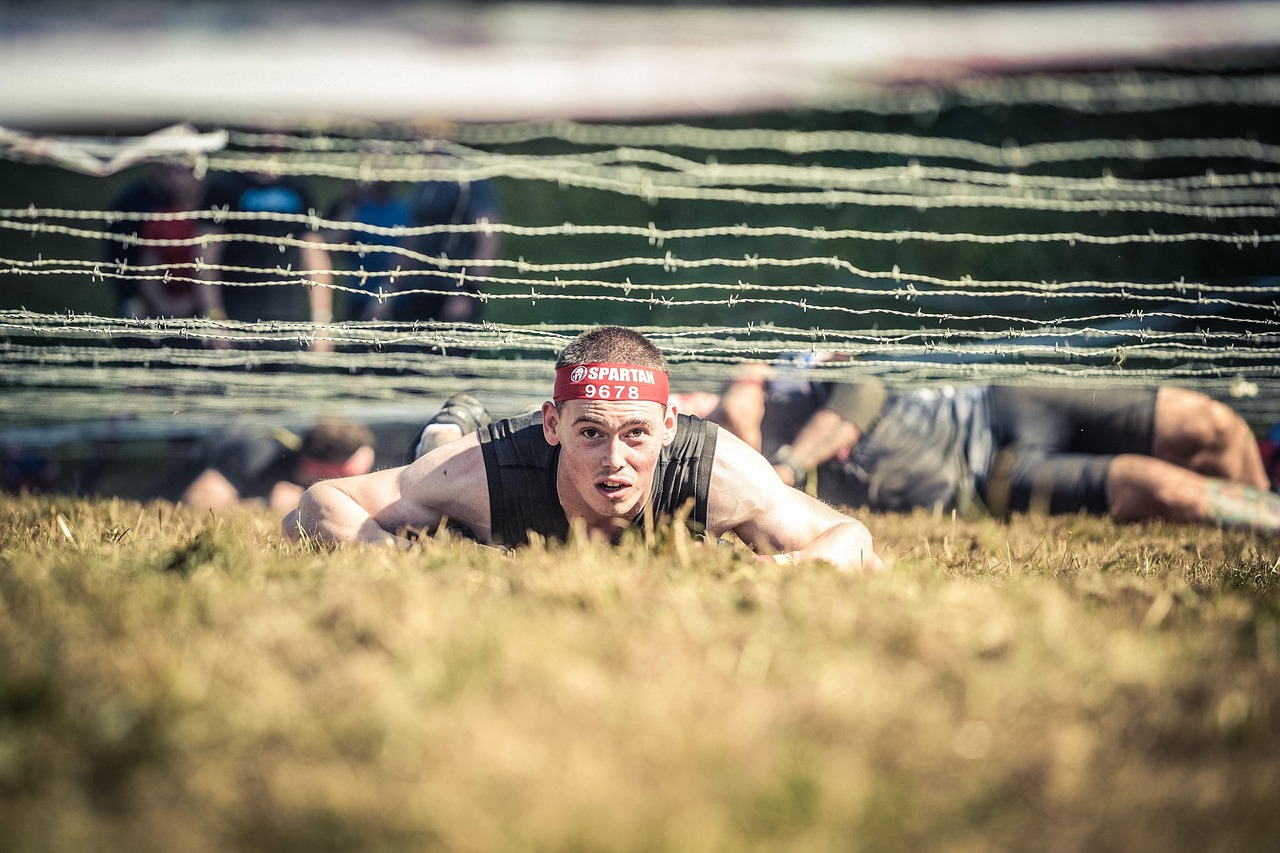

Preparing for Your First Extreme Mud Run
Participating in an extreme mud run can be both exciting and challenging. It’s essential to prepare adequately to ensure you have an enjoyable experience. First, consider building a solid fitness base. Start with a mix of running and strength training, as mud runs require endurance and full-body strength. Include exercises such as squats, lunges, and burpees to prepare your muscles for the obstacles you will encounter. Remember to incorporate flexibility training and stretching to avoid injury, as you will be navigating various terrains.
Next, invest in proper gear that will serve you well in the mud. Choose shoes that provide excellent grip, as slipping can lead to injuries. Look for water-resistant, lightweight clothing that can dry quickly, helping you stay comfortable throughout the race. A quality pair of gloves can protect your hands while climbing and gripping slippery surfaces. Don’t forget to test your outfit and shoes in practice runs to understand how they hold up in muddy conditions. This will help ensure you have the right fit and feel before race day.
Nutrition and Hydration
Nutrition is also a crucial aspect of your training and preparation. Start focusing on a balanced diet rich in carbohydrates, proteins, and healthy fats to fuel your workouts. Hydration is equally important, as running in muddy conditions can lead to increased perspiration and energy expenditure. Aim to drink plenty of fluids leading up to the event, and consider electrolytes to replenish lost minerals during intense exertion. On race day, be mindful of what you eat and drink shortly before starting to avoid gastrointestinal discomfort.
As you approach the event, practicing mental preparation can significantly enhance your performance. Visualize yourself overcoming challenges along the course, successfully completing obstacles, and crossing the finish line as a means to boost confidence. Familiarize yourself with the course layout if possible and learn about the specific obstacles you might encounter. Knowing what to expect will ease anxiety and help you mentally prepare for the challenges that lie ahead. Building your mental resilience can be as critical as physical training for a successful experience.
Race Day Strategy
On race day, arrive early to allow ample time for registration, warming up, and settling any last-minute details. Warm up effectively with dynamic stretches and light jogging to prepare your body for the demands ahead. It’s essential to pace yourself during the run, especially if you’re new to this type of event. Start off at a comfortable pace and listen to your body; pushing too hard too soon can lead to fatigue or injuries. Conserve your energy for the tougher parts of the race by pacing evenly and knowing when to push yourself.
Throughout the race, teamwork can enhance your experience, especially if you’re running with friends or teammates. Encourage and support one another during obstacles while keeping a favorable competitive spirit alive. Share tips and strategies to navigate challenging sections together while ensuring everyone is having fun. If you’re running solo, don’t hesitate to help fellow participants; you may make new friends and find a community of mud run enthusiasts. Remember that camaraderie is one of the highlights of participating in obstacle races.
Post-Race Recovery
After completing your first mud run, don’t underestimate the importance of recovery. Begin the recovery process by hydrating and eating a nutritious meal that replenishes lost energy and nutrients. Focus on foods rich in carbohydrates and proteins to promote muscle repair. Taking an ice bath or cold shower can help soothe sore muscles, while gentle stretching or yoga can improve flexibility. Don’t rush back into training immediately; give your body time to recover and recuperate to avoid injuries in the future. Allowing adequate rest can lead to improved performance in your next event.
Lastly, take time to celebrate your accomplishment. Finishing an extreme mud run is no small feat and should be acknowledged as significant. Reflect on your experience, think about what you’ve learned, and set goals for your next run. You might want to join the growing mud run community for tips, training advice, and local races. Sharing your experiences online or through social media can inspire others and motivate you to tackle other challenges in the future. Embrace the muddy adventure, and happy running!