
Protein Intake and Mental Focus in Sports
Nutrition plays a fundamental role in athletic performance, especially when it comes to protein intake and its effects on mental focus. Adequate protein consumption helps in muscle recovery and repair, which indirectly supports cognitive functions. It is crucial for athletes to prioritize protein-rich foods to sustain their mental sharpness during competition. Without proper protein, athletes may experience decreased focus, impacting their performance. Additionally, protein plays a key role in neurotransmitter synthesis, which is vital for concentration and mood regulation. Therefore, athletes aiming to enhance their mental performance should incorporate lean protein sources into their diet. Options such as chicken, turkey, fish, eggs, and legumes provide high-quality protein that can contribute to both physical and mental support. Research shows that balancing protein intake throughout the day can lead to better focus and reaction times during competitions. Athletes are encouraged to distribute their protein consumption evenly across meals for maximum benefits. This strategy ensures a continuous supply of amino acids, essential for optimal brain function. In this increasingly competitive sports world, combining protein intake with proper training can be a game-changer for mental acuity and overall athletic performance.
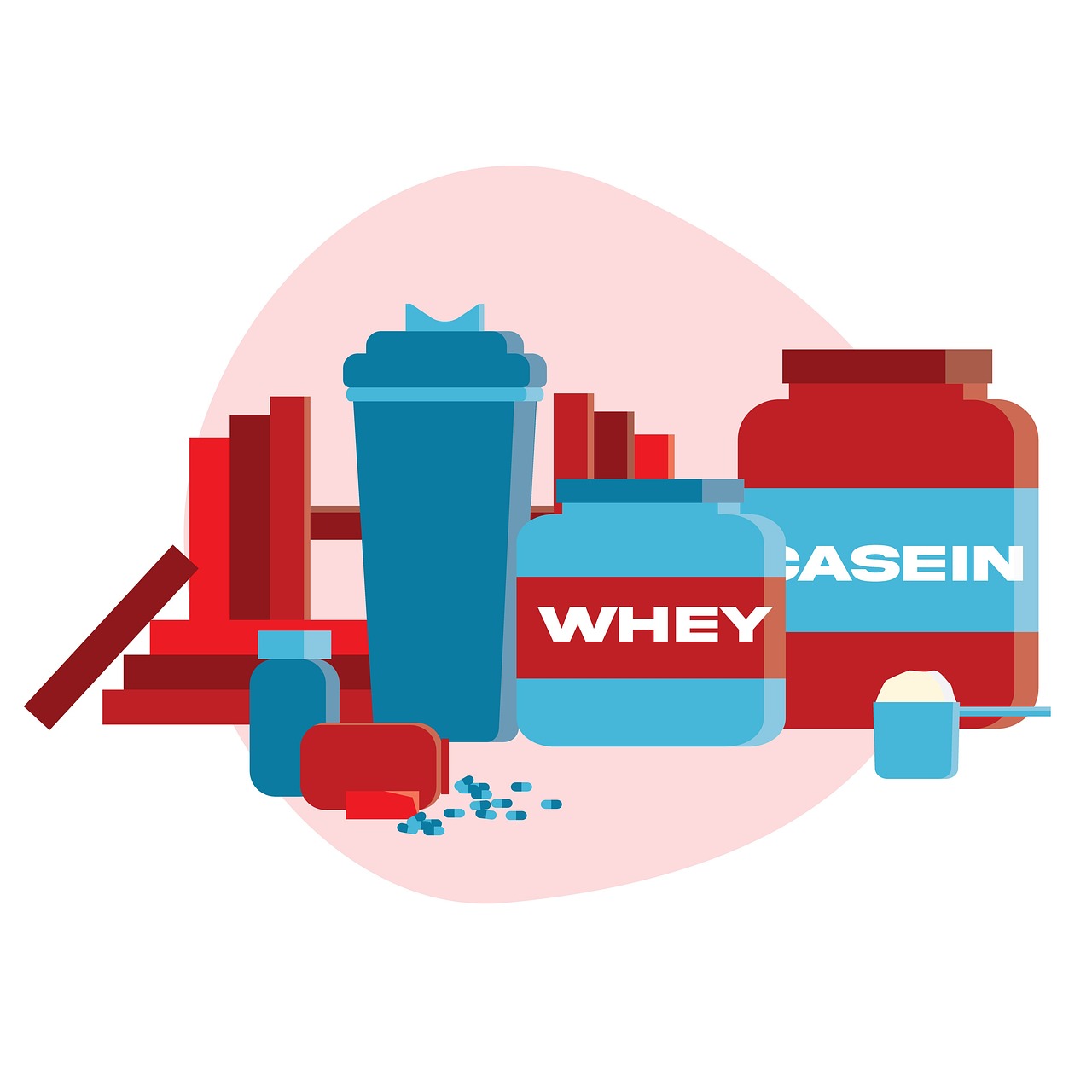
To further understand the significance of protein intake in enhancing mental focus for athletes, it’s vital to explore the types of protein that are most beneficial. Whey protein, for instance, is known for its quick absorption and is particularly effective in post-workout recovery. In contrast, casein protein, although absorbed more slowly, helps to sustain amino acid levels over time, supporting ongoing mental focus during prolonged activities. Furthermore, plant-based proteins like quinoa, beans, and lentils can be excellent alternatives for athletes following vegetarian or vegan diets. These options not only supply protein but also contain essential nutrients beneficial for cognitive performance. Including a variety of protein sources is essential, as different proteins offer unique amino acid profiles that contribute to various physiological processes. This diversity helps in improving both physical recovery and mental functioning. Engaging in sports often requires intense mental dedication, making a balanced intake of nutrients crucial. Athletes should also consider timing their protein intake strategically around training and competitions, ensuring their bodies are fueled both physically and mentally. A well-rounded diet, focusing on protein, equips athletes to sustain their competitive edge while enhancing their focus during crucial moments.
Protein Timing and Mental Acuity
Another important factor in optimizing protein intake is the timing of consumption, which can significantly affect mental acuity. Consuming protein too late may lead to inadequate muscle recovery and reduced mental sharpness during critical competition times. Therefore, athletes are encouraged to plan their meals around their training schedules. Incorporating protein-rich snacks before and after workouts can maximize both cognitive and physical performance. Research supports the idea that the absorption of protein around training periods prompts better muscle synthesis and enhances mood, thus keeping alertness levels high. Proteins metabolize into amino acids that contribute to neurotransmitter production, directly impacting focus and decision-making abilities during intense exercises. A combination of carbohydrates with protein can further enhance this effect, providing immediate energy and sustained focus. Options like a protein smoothie, Greek yogurt with fruits, or cottage cheese with nuts can serve as effective pre-workout snacks. These choices ensure that the body is primed for performance while maintaining adequate mental clarity. Therefore, athletes should strategically integrate protein into their diets, bearing in mind the importance of timing for peak mental focus throughout their sporting careers.
Moreover, hydration is another crucial aspect to consider alongside protein intake concerning mental focus in sports. Proper hydration ensures that the cognitive functions remain sharp, which can be compromised in athletes who don’t optimize their liquid intake. Water plays an important role in nutrient transport, including protein, which is vital for performance. Dehydration can lead to fatigue, confusion, and impaired cognitive abilities. Hence, it’s essential for athletes to maintain adequate hydration levels throughout their training and competitions. Combining proper hydration with protein intake strategically enhances overall performance and mental acuity. Athletes are advised to consume fluids consistently before, during, and after exercise to replenish lost electrolytes and nutrients. Incorporating electrolyte-rich drinks post-training can further complement protein recovery processes, thus maximizing benefits. Therefore, a holistic approach that includes protein, hydration, and overall nutrition ensures athletes achieve peak performance levels. By focusing on these aspects, athletes can foster better communication between their body and mind, resulting in improved decision-making skills and enhanced mental resilience during competitions. Understanding the interplay between these factors can empower athletes to reach their performance goals more effectively.
The Role of Protein in Mood Regulation
In addition to enhancing mental focus, protein intake also significantly impacts mood regulation, which is particularly important in sports. A balanced mood can vastly improve an athlete’s performance and focus, emphasizing the indirect benefits of adequate protein consumption. Research indicates that specific amino acids, derived from protein, play key roles in synthesizing neurotransmitters such as serotonin and dopamine, which are crucial for regulating mood levels. Low levels of these neurotransmitters can result in feelings of anxiety or depression, negatively affecting an athlete’s performance. Therefore, consuming sufficient amounts of protein helps maintain balanced serotonin and dopamine levels, promoting a stable mood during competitions. This aspect is often overlooked, yet it can be a determinant for success on the field. For athletes, a focus on protein-rich foods that enhance mood can contribute to better overall performance outcomes. Foods such as fish, chicken, turkey, and nuts are nutrient-dense options that marry high protein with omega-3 fatty acids, known for boosting cognitive function and mood stabilization. Understanding this relationship highlights why athletes should consider both protein intake and mental health as pivotal components of their training regimens.
Additionally, the overall eating strategy athletes implement can greatly influence mental focus and mood regulation. In conjunction with protein-rich foods, a diet inclusive of colorful fruits and vegetables can provide essential vitamins and minerals supportive of cognitive health. Antioxidants found in vegetables combat oxidative stress, which can detrimentally affect mental sharpness. Choices rich in vitamins B, C, and E contribute to neurotransmitter function and overall brain health. Nuts, seeds, and whole grains provide healthy fats and carbohydrates, fueling the brain while ensuring stable energy throughout training sessions. Therefore, a diet that incorporates a wide variety of nutrient-dense foods is necessary for maximizing mental performance. Meal planning should ensure a regular intake of all food groups, emphasizing balance, moderation, and variety. Athletes should aim to avoid heavily processed foods as they might degrade cognitive performance due to their low nutrient density. Engaging in mindful eating practices can further enhance focus and awareness of one’s dietary choices, underscoring the importance of strategic nutrition in sustaining high athletic performance and mental clarity.
Conclusion: The Interconnection of Nutrition and Performance
In summary, the interconnection between protein intake and mental focus plays a vital role in athletic performance. Fitness enthusiasts and athletes alike must prioritize their nutritional needs, especially regarding protein to enhance their cognitive function effectively. A strategy focusing on adequate timing, quality sources of protein, and hydration can lead to substantial improvements in both physical and mental endurance. Furthermore, understanding the impact of mood regulation, driven by proper protein intake, can empower athletes to take control of their mental health, ultimately benefiting their performance. By fostering a combination of mental focus through nutrient-dense eating practices and hydration, athletes can achieve optimal athletic performance. A balanced diet incorporating protein, carbohydrates, and healthy fats lays the foundation for sustained energy and sharp cognitive function. Enhancing mental acuity can significantly influence an athlete’s decision-making abilities, reaction times, and endurance levels, particularly during high-pressure situations. Thus, proper attention to dietary choices is essential for success in competitive sports. Engaging in ongoing education about dietary nutrition and performance can empower athletes to maximize their potential while achieving peak performance in their specific sports disciplines.
By recognizing the importance of protein and its correlation with mental practices, athletes can better equip themselves for success.