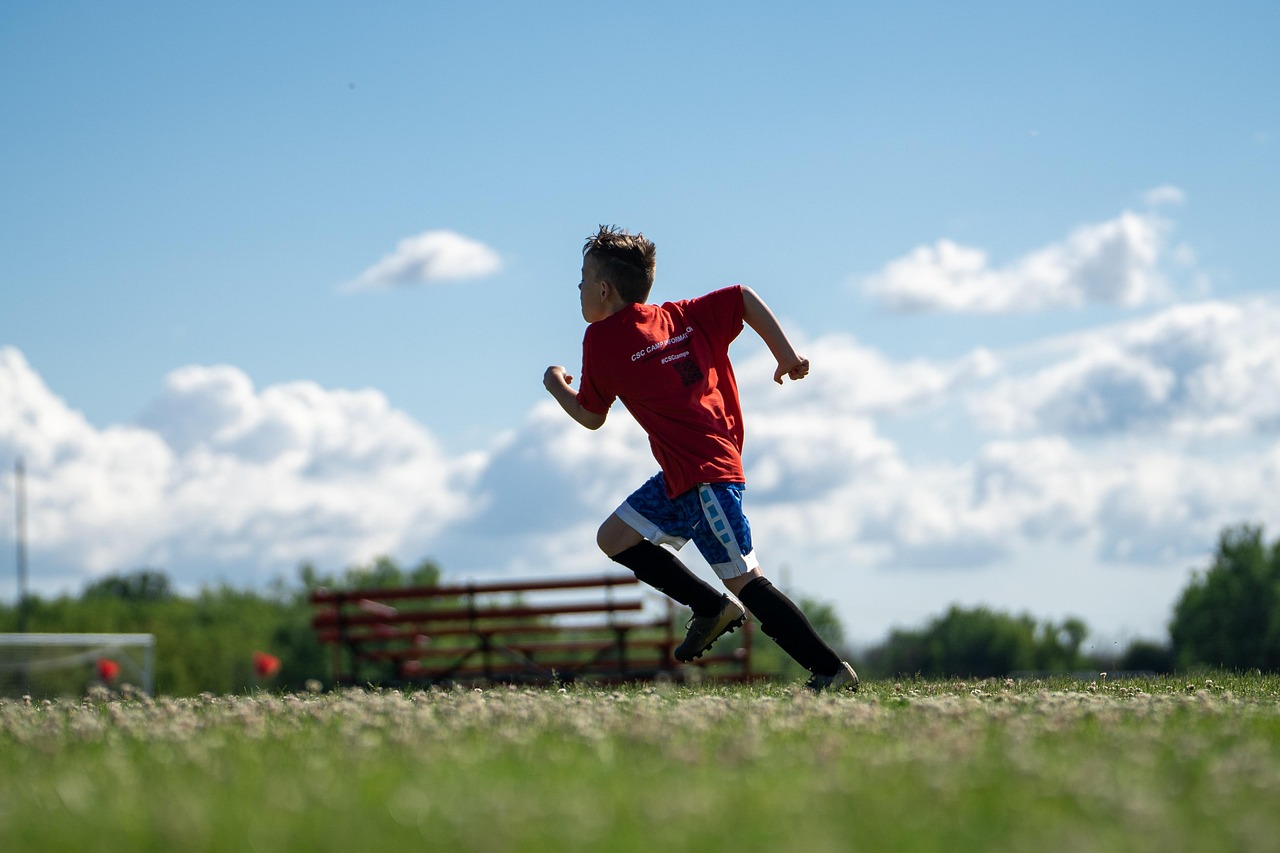

Sports Medicine Careers Focused on Youth and Pediatric Populations
The field of sports medicine offers a variety of career paths particularly focused on youth and pediatric populations. These specialists are essential in ensuring that young athletes can participate safely in sports and physical activities. One major career option in this area is that of a pediatric sports physician. These physicians not only diagnose and treat injuries but also guide young athletes in nutrition and physical fitness. Working closely with schools, sports clubs, and parents, their primary role is to ensure that children are healthy and fit. With childhood obesity on the rise, there is a growing emphasis on preventative care through physical activity and nutrition. Physical therapists also play a critical role in rehabilitation and injury prevention in young athletes. They design customized exercise regimens that help increase strength and flexibility. Beyond physical health, sports psychologists work with youth or pediatric populations to address the mental aspects of competitive sports. This holistic approach to sports medicine helps young athletes thrive both physically and mentally, ensuring they not only get back on track post-injury but also manage competition-related stress effectively.
Another enriching career path in sports medicine for children involves sports nutrition. Specialists in this field focus on educating young athletes about the importance of diet in enhancing performance and recovery. They work with teams, schools, and individual athletes to create meal plans tailored to their specific needs. Addressing the unique nutritional needs of growing bodies can lead to improved athletic performance and overall health. Nutritionists often conduct workshops and lectures at schools to promote healthy eating habits, emphasizing how proper nutrition can impact performance. They also guide parents on how to prepare nutritious meals that cater to their active children. Additionally, athletic trainers work closely with young athletes to maintain their health and assess injuries. This career involves collaboration with coaches, physicians, and the young athletes themselves to ensure the best preventive measures are in place. Athletic trainers provide immediate care for injuries, develop rehabilitation programs, and help educate young athletes about injury awareness. These roles within youth sports medicine highlight how multifaceted the approach to young athletes’ health can be, ensuring it encompasses physical, nutritional, and emotional aspects.
The Importance of Mental Health in Youth Sports
An often-overlooked aspect of sports medicine focused on youth is mental health support. Young athletes face tremendous pressure to perform well, which can lead to anxiety and burnout. Sports psychologists specialize in assessing these challenges and providing coping strategies. They help athletes set realistic goals, develop confidence, and cultivate resilience in the face of setbacks. This support is crucial as it ensures that sports remain enjoyable and fulfilling rather than a source of stress. Additionally, mental health professionals may conduct workshops for parents and coaches to inform them about recognizing signs of stress and anxiety in young athletes. Early intervention can avoid severe mental health issues, keeping the focus on passion and enjoyment of sports. Furthermore, youth-focused sports programs are increasingly incorporating mental wellness into their training. These modern programs often combine physical training with mindfulness practices. This helps foster a positive mindset in young athletes, equipping them with tools to handle competitive pressures. By integrating mental health resources, the sports community empowers children to pursue sports with passion, enjoyment, and balanced emotional health.
Physical education teachers are also a vital part of the sports medicine ecosystem for youth. They play a significant role in promoting a physically active lifestyle within schools. Their focus is not just on teaching sports but fostering an inclusive environment where all children enjoy physical activity. This role includes collaborating with sports medicine professionals to adapt activities for children with specific health conditions. Such adaptations ensure that every child is encouraged to participate while being aware of their limits. More and more schools are incorporating wellness programs that align with sports medicine principles. Physical education classes now often include discussions on nutrition, healthy habits, and injury prevention. Engaging young students in discussions about their health fosters awareness and sets the foundation for lifelong healthy behaviors. Furthermore, school sports programs benefit from the expertise of coaches trained in sports medicine, ensuring they provide safe practices and player safety measures. This comprehensive approach enhances not only the athletic performance of young athletes but also maintains their overall well-being, encouraging them to make healthier choices outside of sports.
Emerging Trends in Pediatric Sports Medicine
Advances in technology have greatly impacted sports medicine careers, especially those focused on youth. Telehealth is becoming increasingly important, allowing specialists to connect with young athletes from all locations. This accessibility ensures that distance is no longer a barrier to receiving expert guidance. Telehealth enables pediatricians, physical therapists, and nutritionists to offer virtual consultations, promoting immediate access to care. These sessions help younger patients feel comfortable and supported, particularly if they feel anxious about in-person visits. Furthermore, wearable technology is gaining traction in providing real-time data on young athletes’ performance and health metrics. By tracking heart rates and movements, sports medicine professionals can fine-tune training and monitor recovery. Consequently, children can enjoy tailored training approaches that account for their individual needs. Staying updated on these technologies is essential for professionals in the field. Continuous education will enable sports medicine experts to utilize these tools optimally. By embracing innovation, sports medicine careers can significantly enhance the practice of preventing injuries and promoting healthy physical activity among youth populations.
Lastly, engaging young athletes in community outreach programs is another vital career pathway in sports medicine. These programs focus on teaching life skills through sports, particularly for underserved youth. Coaches and sports medicine professionals collaborate to create structured programs that emphasize teamwork, discipline, and healthy habits. Not only do these initiatives promote physical fitness, but they also strive to instill resilience and confidence. Sports outreach programs often target schools and local community centers, offering workshops and training sessions without the barrier of high costs. These efforts reduce the likelihood of youth dropping out of sports due to financial constraints. Moreover, mentoring relationships formed through these programs can have lasting benefits, providing support for young athletes as they navigate challenges. Other successful community programs include fitness clinics that allow children to try new sports and learn about injury prevention. Participation in these activities further promotes a physically active lifestyle among youth, illustrating the broader community impact of sports medicine. By fostering partnerships with local organizations, sports medicine professionals can create pathways for young athletes to flourish.
Conclusion: The Future of Youth Sports Medicine
In conclusion, the realm of sports medicine focusing on youth and pediatric populations is diverse and fulfilling. Professionals in this area play an essential role in ensuring that young athletes maintain not only their physical health but their mental well-being. With increasing awareness of the importance of holistic approaches, the future holds promise for young athletes. As technology continues to evolve, so too will the ways in which professionals engage youth in sports. Emphasizing mental health, nutrition, and injury prevention will further contribute to better outcomes for young athletes. Emerging careers rooted in telehealth and wellness education will set new standards for how youth sports are managed. Moreover, the collaborative effort among educators, healthcare providers, and sports organizations will lead to more comprehensive support systems for the youth involved in athletics. Ensuring that sports remain enjoyable would create a healthier environment. It cultivates a strong foundation for lifelong fitness and well-being, emphasizing that sports medicine will continue to significantly influence the lives of young athletes.
A very important aspect of young athletes’ health is learning about inclusive practices. This involves providing a supportive environment for young athletes with disabilities. Sports medicine professionals advocate for adaptive sports programs in schools and communities. These programs offer tailored training and competitive opportunities. By fostering an inclusive atmosphere, all children can benefit from physical activity and sports participation. Additionally, adaptive coaches receive training to effectively work with athletes with varying abilities. This specialized knowledge helps ensure that every child achieves their full potential. Emphasizing the value of teamwork and social interaction is paramount in these settings. Access to inclusive sports programming not only aids in physical development but also builds self-esteem. Research shows that participation in sports can yield significant benefits for children, such as improved mental health and social skills. Families appreciate having inclusive options available, as it encourages a sense of belonging for all young athletes. As awareness increases, communities are more likely to support adaptive programs, ensuring a brighter future for youth sports. By integrating inclusive practices, the sports medicine community can leave a lasting positive impact on society.