
The Role of Footwear in Plyometric Training Safety and Efficiency
Plyometric training is a crucial element for athletes aiming to improve power, speed, and overall performance. However, the effectiveness and safety of this type of training can heavily depend on the footwear worn during exercises. Proper footwear provides crucial support that enhances performance and reduces the risk of injuries. It is vital for athletes to seek shoes designed specifically for plyometric exercises, as they offer adequate cushioning, support, and stability. Shoes must also be lightweight to allow quick movement without hindrance. Additionally, the traction of the shoe is essential, permitting athletes to execute explosive movements on various surfaces. Poor footwear choice can lead to inefficient workout performance as well as an increased risk of injury, including sprains and stress fractures. Therefore, attention must be paid to selecting the right type of footwear for plyometric workouts. Inadequate shoes may lead to discomfort during exercises and decrease overall training efficiency. Learning more about the characteristics of suitable footwear is essential for all individuals engaging in plyometric training, regardless of skill level.
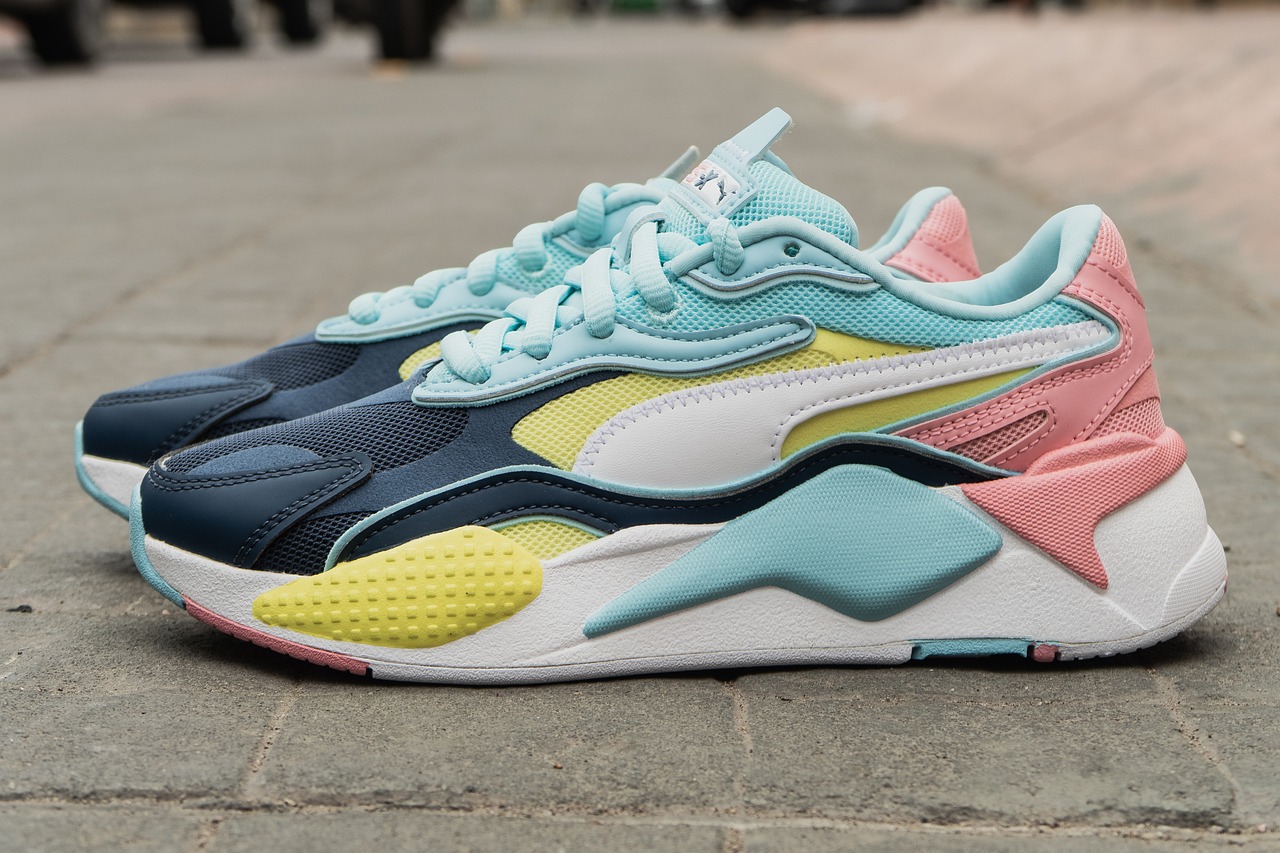
Footwear varies widely in design, each serving a unique purpose in training regimens. For plyometric training, specific attributes are needed in footwear to support explosive movements effectively. A focused look at certain features can greatly benefit athletes. First, the cushioning technology embedded in the midsole provides shock absorption, reducing impact on joints during high-force landings. Secondly, the arch support is a crucial factor as it helps maintain foot alignment and reduces strain on ligaments. Thirdly, a durable rubber outsole ensures a good grip on various surfaces, preventing slips that could result in injury. Lastly, a lightweight design minimizes fatigue during extensive training sessions. When selecting footwear, it is important to consider these elements as well as the individual’s foot type and training environment. All these factors should align with personal preferences for optimal performance. Engaging in plyometric training with the right shoes can lead to significant long-term athletic developments, better results, and enhanced safety margins. Athletes must prioritize these shoe attributes to ensure a beneficial training experience.
Understanding Foot Mechanics
Understanding foot mechanics is essential for selecting appropriate footwear that aligns with the athlete’s biomechanical requirements. Each athlete’s foot has unique characteristics, including their arches and width, influencing shoe fit and performance. High arches require different support features than flat feet. Thus, ensuring a proper fit enhances stability and decreases injury risk during training. When shoes don’t fit well, the likelihood of blisters or conditions such as plantar fasciitis increases significantly. With plyometric movements that demand rapid changes in direction, the foot must have adequate support to stabilize it during these transitions. Cushioned insoles can also improve comfort, promoting better athletic performance. Additionally, examining movement patterns can help determine which features are most needed in a shoe. The right footwear selection shouldn’t be superficial but should consider the athlete’s personalized needs. This tailored approach allows for significantly improved training outcomes. Athletes are encouraged to seek expert advice when it comes to footwear to maximize their training benefits. This not only leads to enhanced performance but also contributes to a safer workout environment.
In addition to the features of plyometric footwear, the role of maintaining the shoes must also be a priority. Regular shoe maintenance ensures that the footwear continues to provide adequate support as wear and tear can drastically alter their performance characteristics. Athletes must be observant of any signs of damages, such as worn-out cushioning or lack of grip that indicates it may be time to replace the shoes. Understanding the lifespan of athletic footwear is fundamental, as most shoes have a limited lifespan, especially when engaged in high-impact activities like plyometric training. Damaged shoes can lead to injuries or compromised effectiveness of training. It is wise to have multiple pairs for rotation, prolonging overall shoe lifespan and maintaining optimal performance. Awareness of shoe care, including proper cleaning methods, can also extend wear. Consequently, athletes should implement check-up routines for their footwear to manage any inconsistencies. By effectively caring for their shoes, athletes ensure their training remains productive and devoid of unnecessary risks posed by unsuitable footwear.
Choosing the Right Plyometric Shoes
Selecting the right shoes for plyometric training entails more than just considering aesthetics; it encompasses functionality, comfort, and the unique body mechanics of the individual athlete. Athletes should be encouraged to try on several options before making a choice, clearly assessing how the shoe feels when worn. Investigating brand differences is beneficial as some brands may cater to specific foot shapes better than others. It can be helpful to seek professional advice from sports specialists or podiatrists who understand the nuances of foot dynamics and can recommend suitable options. Furthermore, athletes should be mindful of their activities when choosing footwear; those focusing strongly on jumping and sprinting may require different features than those doing strength training components. In addition, shoe technology changes rapidly, with brands frequently updating their product lines to incorporate innovative advancements. Keeping informed about the latest developments in sneaker technology can enhance training efficacy and athlete safety. Investing time and effort in selecting the correct footwear can yield significant benefits regarding performance enhancement.
It’s essential to consider the surface type on which the plyometric training will occur, which directly influences footwear choice. Different surfaces affect not only the shoes’ traction requirements but also impact the physical stress placed on the body during exercises. For instance, training on a hard surface like concrete requires shoes with more cushioning due to the high impact involved. Alternatively, softer surfaces like grass may allow for lighter footwear with less cushioning. Surface type informs an athlete’s choice by emphasizing the need for specific materials within the shoe construction; for example, shoes designed for indoor gyms usually feature traction suitable for polished floors. Addressing surface compatibility alongside personal foot mechanics can make for a safer and more efficient workout experience. Moreover, understanding these elements can lead to a more profound appreciation of the equipment being utilized in training. When athletes account for these factors, they can better prevent injuries and boost training effectiveness, directly correlating to improved performance over time. Awareness of footwear performance influenced by surface type is crucial in plyometric training strategies.
Conclusion on Footwear in Plyometrics
In conclusion, footwear plays a pivotal role in ensuring safety and efficiency in plyometric training sessions. Selecting shoes that satisfy the mechanical needs while providing comfort is vital. Athletes can significantly enhance their training experience by prioritizing footwear with appropriate cushioning, stability, and traction to adapt to varied workout conditions. Furthermore, paying attention to foot mechanics and maintenance extends shoe longevity while bolstering overall performance. Athletes also benefit greatly from consulting with professionals to choose out suitable footwear tailored to their unique characteristics. By focusing on their footwear choices, athletes can prevent injuries and maximize their workout results. Understanding the interplay between footwear and training effectiveness is crucial in establishing a successful regimen. It can also lead to improved performance outcomes and overall well-being during training sessions. Through informed decisions regarding footwear, athletes find themselves better equipped to tackle the demands of plyometric training. Prioritizing the right shoes will ensure that plyometric workouts contribute to reaching performance goals while maintaining injury-free practice.
By consistently applying these principles, athletes can develop a comprehensive approach to their plyometric routines, harnessing footwear as a strategic asset.