
Adapting Vault Techniques for Different Urban Environments
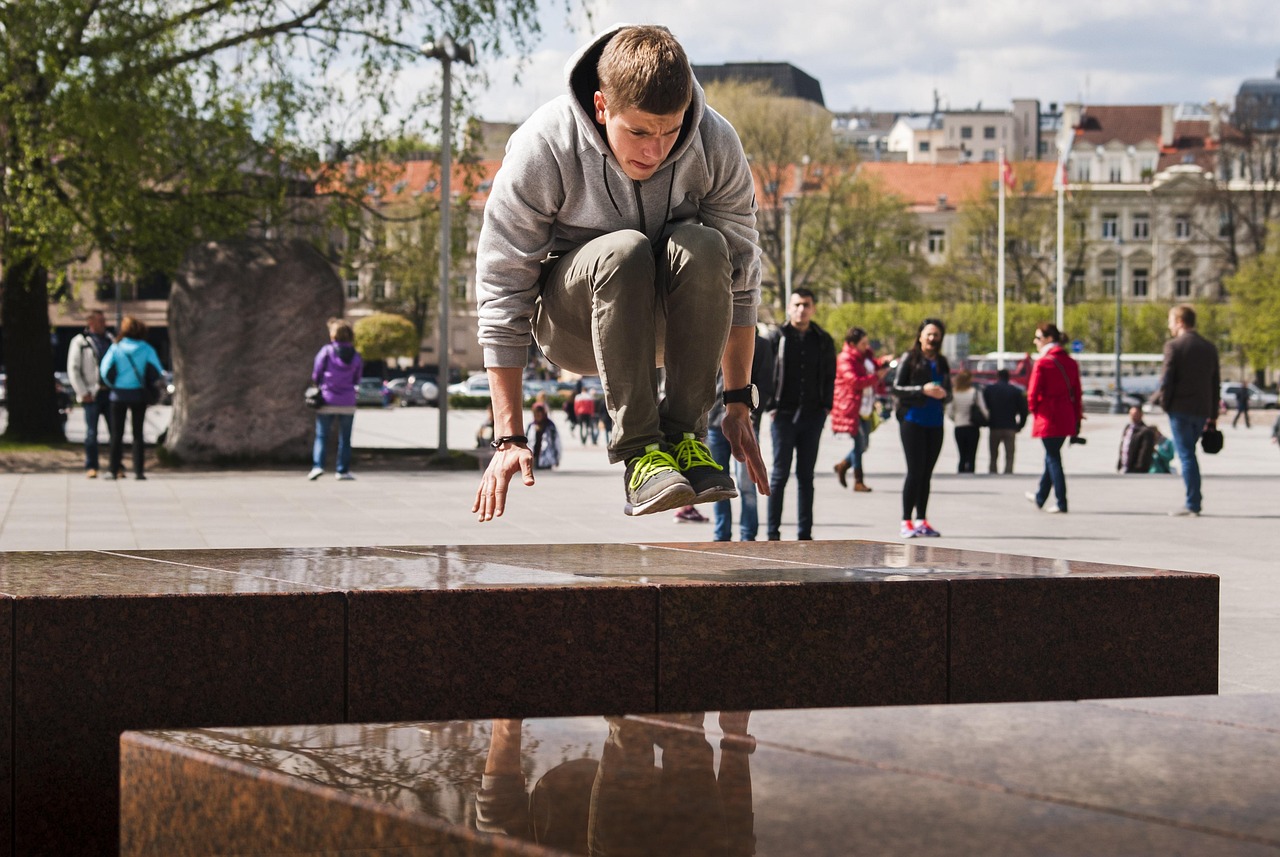
Parkour and freerunning demand flexibility and creativity, especially when considering how to navigate various urban landscapes. The vault technique is a fundamental skill that can be adapted for different types of obstacles, enabling practitioners to maintain fluidity during their movements. Understanding how to execute the basic vault involves more than just technique; it requires a keen awareness of the environment and the obstacles present. For instance, performing a precision vault over a low wall may require different body positioning than vaulting over a wider space. Both speed and agility play critical roles in these environments, as they influence how quickly one can adapt their techniques. Urban parks, crowded plazas, and narrow alleys each present unique challenges. Therefore, doing proper warm-ups, stretching, and practicing placements can enhance readiness for quick improvisation. Take time to assess the surroundings before launching into a vault, as this foresight could significantly reduce the risk of injury and improve aesthetics in movement. Experimenting with various vaults will greatly expand a practitioner’s skill set. This exploration ultimately allows them to engage dynamically with their surroundings, making each movement a true expression of their capabilities.
When training vaults, it’s essential to focus on safety and body mechanics. Properly executed vaults can help prevent injuries while maximizing performance. Start by mastering the basic techniques such as the speed vault and safety vault, and gradually progress to more complex variations like the lazy vault or kong vault. Each of these techniques serves distinct purposes depending on the obstacles encountered. Additionally, practicing on different surfaces will develop a better understanding of how to handle diverse environments. The choice of footwear can also affect the performance of vaults; opting for shoes with good grip and support is advisable. Moreover, jumping from height adds a level of complexity, so it is important to practice landing techniques to ensure proper weight distribution. The best way to accomplish this is through controlled practice, involving specific drills that focus on landings after vaults. Allowing ample space during practice and enhancing control over every phase of a vault is vital. Mindfulness during physical execution not only increases efficiency but also cultivates a deeper appreciation for the intricate ballet of movement that parkour epitomizes.
Types of Vaults Situational Awareness
Understanding the different types of vaults aids practitioners in adapting their approach based on urban scenarios. The vault itself is inherently versatile, allowing a parkour athlete to navigate barriers effectively. With increasing complexity in urban environments, identifying which vault to apply is crucial. For instance, a common situation may involve transitioning over a park bench or rail. In this scenario, a speed vault can be beneficial, as it efficiently utilizes momentum. Alternatively, a safety vault offers more control when encountering taller or wider objects. Practitioners should evaluate the height and width of barriers to select an appropriate vault. There are scenarios like traversing low walls or benches where a precision vault may be more suitable. Each type of vault not only serves as a functional move but also allows for stylistic expression. The aesthetics of movement play a significant role in how spectators perceive parkour, thus encouraging practitioners to refine their techniques regularly. This dedicated effort to master various vaults enhances performance, agility, and the overall parkour experience, making it an art form that resonates with urban landscapes.
Urban terrain often shifts due to construction developments and seasonal changes, requiring flexibility in vault techniques. A smooth surface may become an uneven obstacle due to weather effects or lack of maintenance, and adaptability is essential. Therefore, the execution of vaults must be accompanied by a heightened awareness of physical surroundings. Checking for adequate space, avoiding slippery surfaces, and acknowledging sightlines can significantly prevent accidents. Moreover, the parkour community emphasizes the importance of improvisation and adaptability in their training. As a result, maintaining a mental checklist of potential obstacles will assist in quick decision-making during practice or performance. Engaging with other athletes in a group setting enhances insights into different styles of vaulting. Viewing how others tackle obstacles provides inspiration and fosters a supportive environment. Joining local parkour groups or attending workshops also offers exposure to new techniques and adaptations for different urban settings. These interactions expand individuals’ skills and promote a communal spirit within the parkour community. As athletes share their experiences, everyone benefits through collective learning, thereby nurturing stronger bonds and encouraging progress.
Environmental Adaptation and Sustainability
The emphasis on adaptability in vault techniques extends beyond mere execution; it also involves sustainable practices within urban settings. As practitioners explore environments, they must remain conscientious about their impact. Preservation of urban spaces is essential in sustaining the locations that become playgrounds for parkour. It’s wise to pick training spots where activity is welcomed, rather than trespassing on private property or causing damage. Planning sessions at parks or areas designed for community recreation encourages healthy interactions between athletes and their environment. Furthermore, engaging with local authorities can create announcements for designated areas deemed suitable for parkour practices. Increasing awareness among city planners about the benefits of parkour can lead to further sustainable development, including designated parkour parks. Such advances illustrate how urban development can accommodate enthusiasts while promoting an active lifestyle. Practitioners embracing these values can make a significant impact within the community by advocating for park-friendly policies. It creates an opportunity for urban spaces to become centers of creativity and athleticism. In turn, this fosters respect for both the environment and the sport, cultivating a harmonious relationship.
Practicing vault techniques in various urban environments also encourages creativity among parkour athletes. Each urban landscape tells its story, while each object, wall, or barrier presents fresh opportunities for exploration. The challenge lies not just in executing standard vaults, but in learning to adapt those moves creatively to the obstacles presented by the environment. The instinct to improvise leads to greater innovation within the sport, inspiring new vaulting styles and combinations. Embracing the uniqueness of every setting transforms practitioners’ perceptions, elevating them from mere athletes to artists navigating a vibrant city canvas. Moreover, urban exploration invigorates performance and hones observational skills, leading to an enhanced sense of spatial awareness. This improvisational spirit greatly influences the aesthetic quality of movements, broadening community participation. Athletes should keep a journal or video diary documenting these encounters, reflecting on their growth and innovation over time. Feedback allows individuals to iterate on their practice and broaden their technical repertoire. Remember, embracing creativity leads to a deeper engagement with both the sport and surroundings. Ultimately, this encourages athletes to explore uncharted territories within their urban playgrounds.
Conclusion: Mastering Vaulting through Environment
In conclusion, mastering vaulting techniques in parkour is a multifaceted endeavor relying heavily on adaptation and awareness. Understanding the environment, recognizing which vault techniques suit different obstacles, and navigating urban landscapes enhances a practitioner’s parkour journey. The role of community support, innovative thinking, and sustainable practices contributes significantly to the culture of parkour. It’s essential for athletes to embrace continuous learning and practice different vaults, allowing their skills to flourish within varying urban landscapes. Ultimately, adapting vault techniques isn’t merely about overcoming physical barriers; it represents a broader mindset that celebrates the combinations of art, awareness, and athleticism. Every environment provides an opportunity to engage further with the movement. As communities grow, so does the parkour culture. By consistently practicing and refining skills, athletes not only develop a unique style, but they also contribute to the evolving landscape of urban exploration. This journey encourages deeper connections with urban aesthetics and the freedom of expression that defines parkour, illustrating its profound impact on individuals’ lives and the environments they traverse.
To sum up, successfully adapting vault techniques is fundamental for engaging with diverse urban scenarios. It enhances safety, promotes creativity, and places greater emphasis on community-oriented practices while fostering respect for urban environments. Such an ongoing exploration pushes the boundaries of traditional parkour and integrates new ideas through collaboration and shared experiences. By embracing these principles, parkour practitioners can navigate city landscapes dynamically while contributing positively to their surroundings, creating a lasting legacy that encourages future generations to appreciate the art of parkour in sustainable ways.