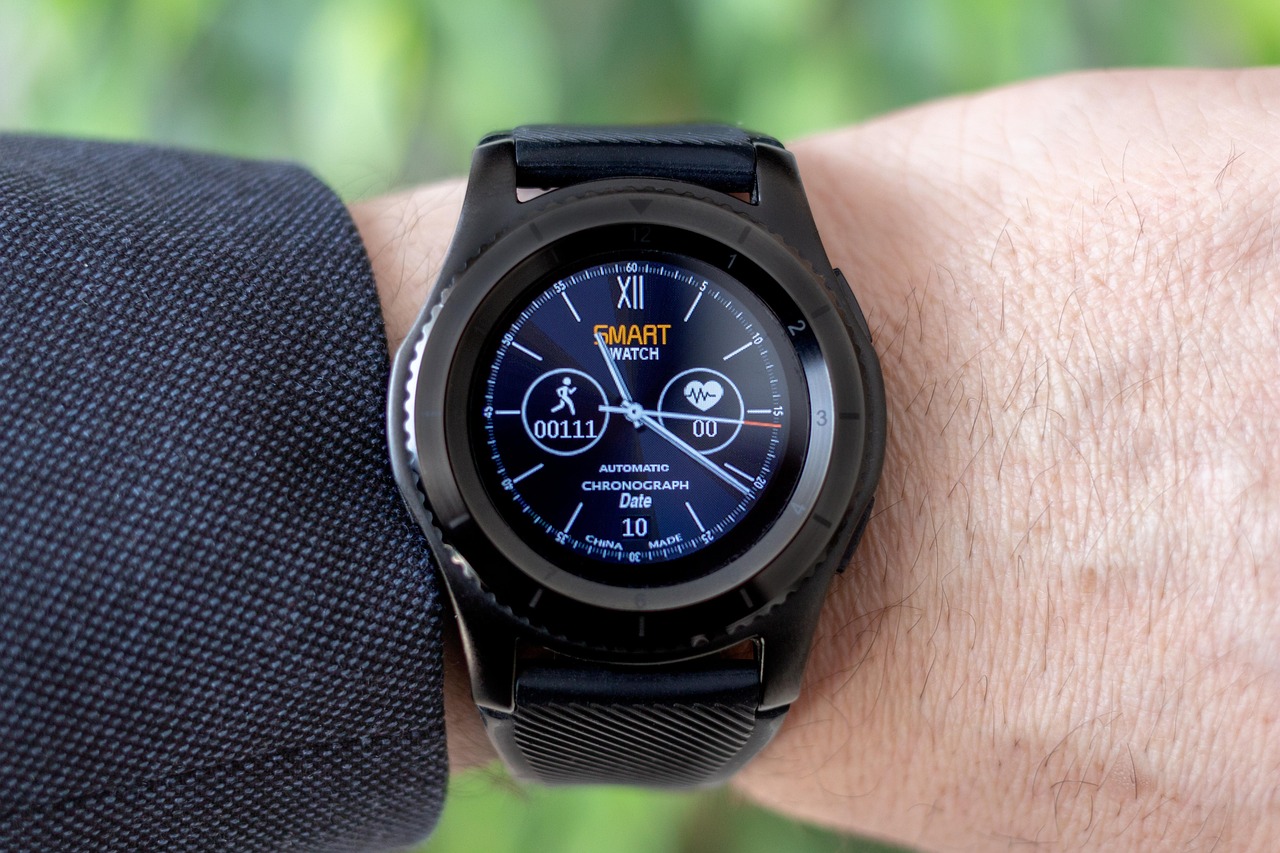

Choosing Wireless Heart Rate Monitors for Gym Convenience
When it comes to achieving fitness goals, tracking heart rate progress is essential. Wireless heart rate monitors provide gym enthusiasts with the ability to monitor their cardiovascular performance effectively. Unlike traditional straps, wireless versions enhance convenience and reliability. They provide accurate readings without the encumbrance of wires. This innovation is crucial for those who engage in high-intensity workouts or prefer a more fluid exercise style. Wireless monitors can connect via Bluetooth or ANT+, allowing for seamless integration with smart devices and fitness apps. This connectivity helps users make data-driven decisions during workouts. The shift towards wireless technology offers multiple benefits for athletes of all levels. Users can analyze trends over time, pushing themselves closer to their fitness targets while monitoring their health conditions. Some advanced models even offer features like calorie burn calculations and recovery heart rate measurements. Understanding the attributes of various models can tailor your fitness experience, ensuring a personalized approach. As you navigate your options, prioritize comfort and reliability. Selecting a heart rate monitor should align with your specific goals and workout preferences.
Key Features to Consider
Choosing the right wireless heart rate monitor involves considering several critical features that enhance your exercise experience. First, the monitoring accuracy is paramount; inaccurate readings can misguide your training decisions. Look for monitors that offer chest strap options or wrist-based sensors, as their performance may incorporate different measurements. Battery life is another factor to weigh; a monitor that requires frequent charging can be an inconvenience during intense workout schedules. Compatibility with fitness apps is important as well; ensure that your chosen device works well with platforms that you use regularly. Other features to consider include the comfort of the device during extended wear and the ease of syncing data post-exercise. A continuous heart monitoring feature is valuable for tracking heart rate zones, helping to optimize workouts effectively. Water resistance is beneficial for individuals who engage in various workout types, such as swimming or outdoor running. Additionally, look for customer reviews on the models you are considering to gauge real-world performance. Combining these considerations ensures you select a monitor that meets your needs and supports your fitness journey.
To maximize performance during workouts, selecting a wireless heart rate monitor with real-time data display is crucial. Monitors that feature screens showing live heart rate readings give users instant feedback. This enables quick adjustments throughout training sessions, facilitating more effective workouts aimed at heart rate zones. Look for models that feature customizable displays, allowing you to prioritize information that matters most to you. In addition, some monitors provide alerts when your heart rate exceeds your desired zones, helping to keep training within safer parameters. Many modern devices enable the capability of exporting data after workouts to assess performance trends accurately. Furthermore, consider additional compatibility features with gym equipment, as this can streamline your overall exercise experience. Integrated heart rate monitors may exist within cardio machines like treadmills or stationary bikes, enhancing the synergy between your workout data and the equipment used. Finally, testing a monitor for comfort during different activities ensures a secure fit, reducing distractions. By prioritizing these features, you will also boost motivation throughout your fitness journey.
Affordability vs. Quality
Wireless heart rate monitors are available at various price points, making it essential to balance affordability with quality. Lower-priced models might fit screen size, battery life, and data accuracy less effectively than premium options. However, consumers should remember that pricier does not always equal better. Investigate deeply into brands and specific model reviews to determine value for money. Many reputable gym gear brands offer budget options that still provide essential features and performance efficiency while maintaining reliability. Take time to analyze warranty options offered by manufacturers; more extended warranties signify a commitment to quality. In addition, try to avoid models laden with unnecessary features resulting in higher prices. Instead, focus on primary functionalities suitable for your workout type. As you evaluate different models, compare costs and features within your budget range. Also consider sales or discounts that may make certain high-end models more attainable. Balancing price with performance enables you to make informed decisions without exceeding your budget, ultimately leading to positive workout experiences and long-lasting use of your chosen monitor.
When choosing a wireless heart rate monitor, it’s essential to assess the compatibility with your fitness ecosystem. Many monitors can sync with various apps or fitness devices, allowing users to consolidate data in one place. Integration with platforms like MyFitnessPal or Google Fit enhances the utility of the monitor, as individuals can track nutrition alongside performance metrics. Additionally, features such as cloud storage for historical data can help users visualize trends over time. This information encourages more informed training decisions as users adjust their workout plans based on tracked results. Real-world usability extends beyond app integration; consider how a monitor feels during different exercise modalities. The comfort level of wearing a device for extended periods impacts your overall performance and willingness to use it regularly. Hence, substantial, user-friendly designs are necessary. When considering options, weigh how often you will need to charge the device while looking for one that provides a long-lasting battery. The convenience of wireless connectivity also plays a role in ensuring that your monitoring experience remains unobtrusive and effective. By evaluating these aspects, you can find a monitor that seamlessly integrates into your fitness lifestyle.
Maintaining Your Heart Rate Monitor
Once you have chosen the perfect wireless heart rate monitor, proper maintenance remains vital for long-lasting performance. Regular cleaning ensures accuracy and comfort during use. Many users neglect this step, but dirt can obstruct sensors, leading to inaccurate readings over time. Use a damp cloth to wipe the device after workouts, especially if it’s used during sweaty sessions. If your monitor features removable straps, ensure they are washed according to the manufacturer’s recommendations to prolong their lifespan. Proper battery management is crucial; be aware of when it needs to be replaced and have spare batteries or chargers available. Additionally, keep your firmware updated to ensure you are utilizing all features optimally. Manufacturers often release software updates that can improve functionality and fix bugs. Consult user manuals to familiarize yourself with maintenance instructions specific to your model, as different monitors may have unique care requirements. Taking these proactive steps enhances the reliability of your device and ensures that daily tracking of your heart rate data remains straightforward and effective.
In conclusion, choosing the right wireless heart rate monitor is a personal decision that requires careful consideration of various factors. The interplay of comfort, features, and compatibility can influence daily workouts significantly. For fitness enthusiasts, the heart monitor acts as a bridge between effort and self-improvement. Reliable feedback enables you to adapt and push boundaries in pursuit of fitness goals. By focusing on what you need in a monitor, you can ensure that it enhances your gym experience rather than becoming an inconvenience. With advanced technology transforming wearable devices, staying informed about new models on the market is essential. As innovation occurs, the effectiveness of these devices continues to improve, making your exercise sessions more efficient. Prioritize aspects like accuracy, durability, and user-friendliness when exploring your options. Take the time to explore reviews and testimonials from other users to gain insights into various models. Ultimately, investing time in understanding your unique requirements will reward you with a tool that nurtures your fitness journey for years to come.