Historical Overview of Parkour’s Roots
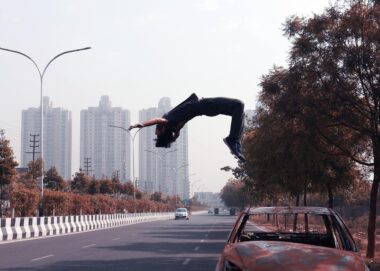
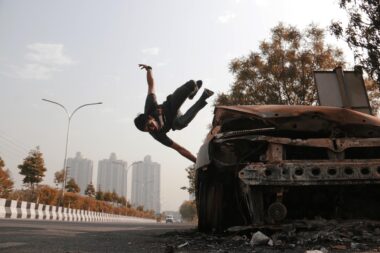
Parkour, a discipline that emphasizes efficient movement through urban environments, has a rich history that traces back to the late 20th century. The origins can be linked to the French military obstacle course training called “parcours du combattant.” This training influenced David Belle, who later established the principles of Parkour. Belle combined elements from various disciplines, including martial arts and gymnastics, which allowed for fluid movement. In the 1980s, Belle and his friends began practicing these movements in urban settings, characterized by vaulting, climbing, and jumping. They saw the city as a playground, where they could express freedom and creativity. The term “Parkour” was coined later, encapsulating the movement’s intent to overcome obstacles. Social media and film played critical roles in spreading Parkour during the 2000s. The discipline transcended geographical boundaries, inspiring practitioners worldwide. While its French roots anchor the practice, Parkour has evolved to include diverse cultures and philosophies. Ultimately, the discipline’s history reflects an ongoing journey of athletic expression, personal growth, and urban exploration.
In the early stages, Parkour was also heavily influenced by physical fitness and the art of movement. Practitioners sought to develop agility, strength, and creativity while traversing complex environments. Competition emerged as an avenue to showcase individuals’ skills, reflect a deep passion for the practice. Notably, the Damon Wayans documentary, ‘Jump London,’ released in 2003, notably showcased Parkour’s potential and athletic prowess, propelling the movement into the public eye. Subsequently, numerous competitions began to emerge globally, attracting enthusiasts eager to prove their skills. Events like the International Parkour Freerunning Federation were established to better promote the discipline. These competitions often highlighted not just physical capabilities but also creativity in movements and style. Freerunning became a significant aspect of these competitions, allowing for self-expression through tricks and unique transitions between obstacles. Additionally, the gathering of urban athletes fostered community and support, crucial elements in Parkour culture. While not always competitive, these platforms encouraged collaboration and sharing of techniques. This dynamic development dramatically transformed how Parkour is perceived today.
Formation of Teams and Organizations
As Parkour progressed into the 21st century, formal teams and organizations became prevalent, allowing practitioners to unify their goals and enhance their abilities. Groups like “Team Fat Tony” and “The Parkour Generations” emerged, resulting from friendships formed in local communities. These organizations played a vital role in spreading awareness, offering workshops, and hosting events that gathered practitioners from various backgrounds. Their instruction helped develop the discipline and emphasized safety, being crucial in minimizing injuries during practice. Additionally, these organizations led to the establishment of standardized techniques and safety protocols that reassured new participants. Events organized by these groups provided platforms for skill exhibitions and extensive training, where participants learned from experienced athletes. Competitions held by established teams also attracted media coverage, further aiding the visibility of the discipline. Often, these events are filmed and shared online, creating a broader audience base for Parkour. The professionalism showcased by teams has inspired countless individuals, encouraging participation. This development has been essential in legitimizing Parkour as a recognized sport worldwide.
However, with growth came challenges related to commercialization. As viewership increased, the discipline attracted sponsorships and endorsements, prompting debates within the community. Some practitioners expressed concern about losing core principles in favor of profit-driven motives. The commercialization created division regarding competition formats and values emphasized in events. Despite these challenges, many practitioners remained committed to preserving Parkour’s fundamental ethos—freedom of movement, self-expression, and personal growth. Communities sought to maintain a balance between participation and commercial interests by organizing grassroots events, emphasizing inclusivity. Social media also played a crucial role by enabling everyone to share their stories and experiences. Videos showcasing personal journeys inspired others to join the practice while maintaining a communal spirit. This alignment with digital platforms allowed practitioners to continually innovate and find new ways to challenge themselves and connect with others. Ultimately, the evolution of Parkour highlights a balancing act between commercialization and keeping its primal spirit alive. It emphasizes the struggles and triumphs faced as this urban phenomenon transitions into a recognized global community.
The Rise of International Competitions
With the advent of high-profile events, Parkour expanded into the competitive realm, leading to international championships that garnered attention and respect. Events such as the World Parkour Championships and Freerunning World Cup attracted athletes from various countries, allowing them to demonstrate their skills on international scales. These competitions showcase not only physical prowess but also creativity in movement patterns. The format typically includes obstacle courses where participants demonstrate fluid transitions, jumps, and tricks in a timed setting. Judging criteria have evolved too, focusing on style, efficiency, and creativity instead of just speed. The globalization of these events has resulted in a fusion of styles, where cultural influences inspire diverse approaches to movement. It encourages participants to innovate and develop their unique styles, pushing the boundaries of conventional Parkour. These competitions popularized Parkour, attracting a younger audience interested in extreme sports and athleticism. Alongside this, collaboration with sponsors enabled more resources in getting quality venues and equipment. As a result, Parkour is stepping into mainstream media, opening doors for further opportunities and participation.
Furthermore, many competitions now offer live streaming for a wider global audience, allowing fans to connect with the sport. Notable athletes who rise through the ranks in these competitions become influential figures in the community, similarly inspiring newcomers. Their presence on social platforms creates a cascade of interest, encouraging young people to take up the sport as a viable career path, fuelled by the dream of recognition and sponsorships. Parkour athletes participating in global events often share their training insights, providing valuable tutorials and tips for aspiring practitioners. This community engagement cements bonds between participants, emphasizing learning, sharing knowledge, and collaboration in rival events. The competitive aspects inspire personal growth, where participants aim to outperform their previous performances while appreciating their peers’ achievements. Consequently, such encouragement cultivates a supportive environment for advancing skills without intimidation. Overall, enhancing competition accessibility fuels recognition and growth, ultimately solidifying Parkour as a prominent global sport.
Future of Parkour Competitions
The future of Parkour competitions looks promising, with a trajectory that hints at potential inclusion in high-profile events. As the sport continues to gain traction, key stakeholders aim to organize even larger competitions that represent the global Parkour community. Leveraging social media trends and digital platforms plays a vital role in marketing these events for broader audiences. Anticipated events may incorporate elements like team challenges, dynamic obstacle courses, and collaborative performances. Innovations aim to create thrilling experiences that entice participants and spectators alike. Additionally, exploration into virtual reality and augmented reality could revolutionize the competition landscape, allowing enthusiasts to experience Parkour in immersive environments. By implementing technology, organizers can attract more viewership, making showcases more appealing. Moreover, expanding educational initiatives motivates institutions to introduce Parkour in physical education curriculum, further integrating these skills into mainstream exercise. This paradigm shift would create a more robust foundation for Parkour to flourish as a respected discipline. Ultimately, building upon these foundations will nurture authenticity while allowing the sport to evolve and expand.
In conclusion, Parkour has traversed a fascinating journey from its grassroots origins to an internationally recognized discipline. Historical accounts filled with passionate individuals contributed immensely to its development. Over time, competitions have provided platforms for practitioners to evolve their skills and creativity, while navigating commercialization challenges. The community’s resilience showcases a commitment to maintaining the spirit of Parkour despite external pressures. With the advent of international competitions and streaming capabilities, the sport is garnering a larger audience and inspiring future generations. As Parkour continues to innovate and embrace technological advancements, the possibilities for growth are endless. Embracing these changes while preserving core values ensures the essence of Parkour remains intact. Looking ahead, the combination of grassroots efforts, community engagement, and professional opportunities will foster a thriving future. Collectively, practitioners and enthusiasts will carry the legacy of Parkour forward, continually challenging societal barriers through innovative physical movement. As the discipline grows, it will undoubtedly inspire countless individuals to explore their limits and seek freedom through urban environments. Through this journey, Parkour will continue to be a celebration of creativity, athleticism, and the human spirit.