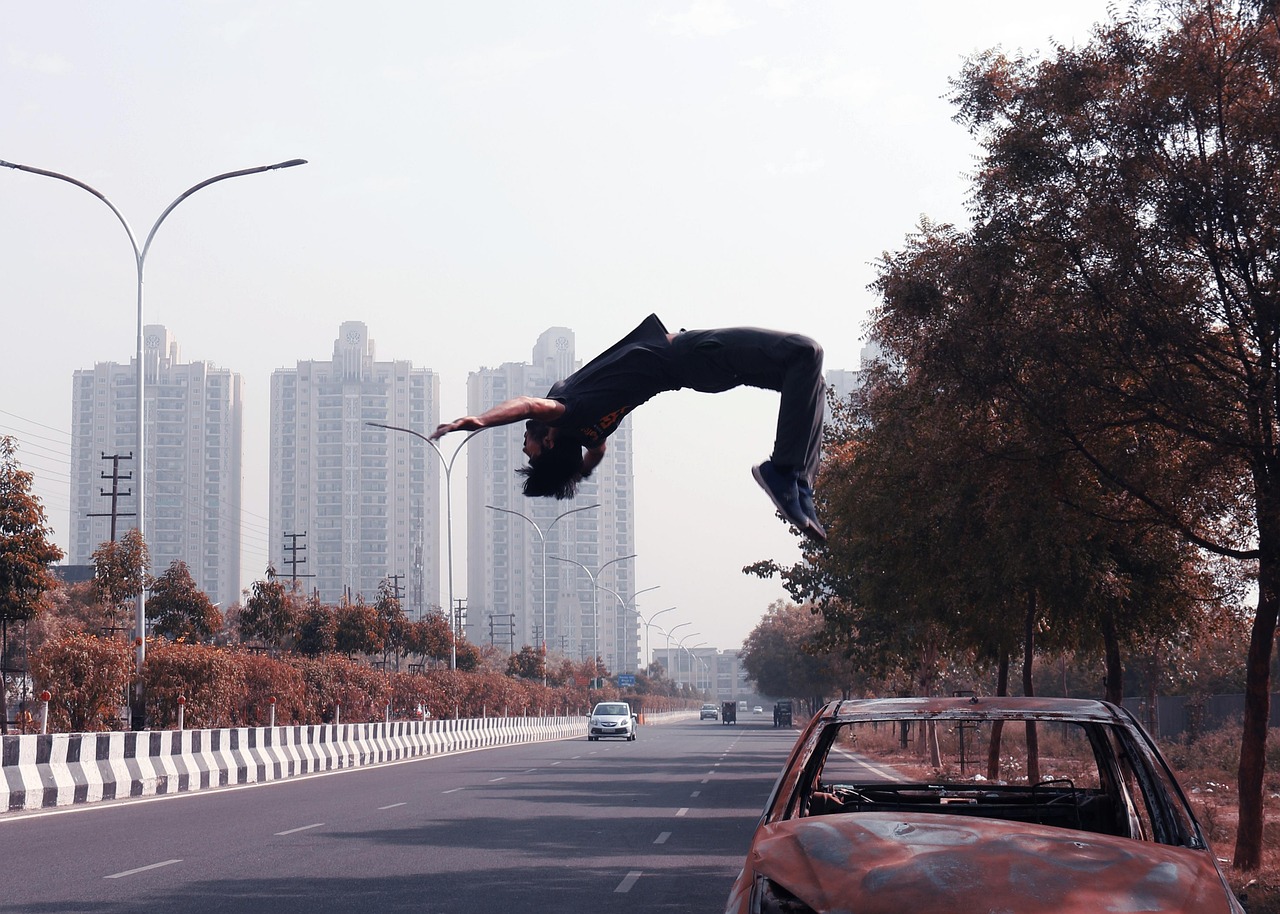

Shooting Parkour in Low Light Conditions: Practical Advice
Parkour photography in low light presents unique challenges, yet it possesses the potential for exquisite images. To capture dynamic movement amid darkness, your choice of camera settings plays a crucial role. First, consider using a high ISO setting, which can significantly amplify the camera’s sensitivity to light. This enables you to capture quick motions without excessive blurring. However, be cautious as higher ISO may introduce noise. Additionally, shooting in RAW format provides more flexibility during post-processing, allowing for adjustments in exposure and detail retrieval. Secondly, a faster shutter speed is imperative to freeze the action, given that parkour athletes often move swiftly through their environment. Start with a shutter speed of around 1/500th of a second. Furthermore, utilizing a prime lens with a wider aperture, such as f/1.8 or f/2.8, can enhance light entry, improving image quality in subdued lighting. Lastly, try to capture parkour tricks against illuminated backgrounds, as city lights or streetlamps can add depth to your photographs. Experimenting with these strategies will help ensure your low-light parkour shots are impactful and memorable.
In addition to gear, mastering the technique of parkour photography requires creativity when it comes to composition. Utilize leading lines, framing elements, and interesting perspectives to create visually stimulating images, even in low-light conditions. Composing your shot with anticipation is essential; you’ll want to prepare for your subject’s movement in advance. Furthermore, practicing panning techniques helps track and capture the athlete’s motion, maintaining sharpness where necessary. However, do not shy away from experimenting with intentional blurring to emphasize speed and dynamism. You may also wish to explore different angles, such as shooting from below, which can create a unique view of the athlete’s acrobatic skills. Moreover, consider using external flash units when appropriate, as these can illuminate your subjects without compromising on the ambient light context of the scene. Achieving an exciting balance of light can lead to dramatic images that resonate with viewers. Finally, remember to communicate effectively with the athlete about their movements and tricks to ensure you capture their best moments while they’re on the move, making your shots powerful and lively.
Settings and Techniques for Low Light
When capturing parkour in low light, understanding your camera settings is essential for achieving desired results. Begin with setting the camera to aperture priority mode, allowing you to manually control the aperture while letting the camera adjust the shutter speed. Select a wide aperture to maximize the light hitting the sensor, as previously mentioned. Try to set your aperture to the widest setting and optimize the background blur. Consequently, isolate the subject beautifully and emphasize their movements. Additionally, fine-tuning your white balance can enhance the overall atmosphere of the image, especially in artificial lighting scenarios. Ideal white balance settings for low-light scenarios may include tungsten or fluorescent, depending on the light source, leading to more accurate color representations. Furthermore, refrain from utilizing too much digital zoom, as it often compromises quality, particularly in lower light. Instead, physically adjust your distance from the subject for clearer images. Lastly, explore the innovative concept of time-lapse photography; it offers a unique perspective on fluid motion. Incorporate these settings, and your parkour photography can transcend ordinary boundaries.
The location where you choose to shoot parkour greatly impacts your results, especially in low light contexts. Finding areas with interesting textures, patterns, and light sources enhances the background of your images significantly. Urban landscapes often serve as fantastic settings for parkour, providing an ideal playground for athletes and an array of architectural features. Search for spots with vibrant street lights or illuminated signs that will complement your subject without overpowering them. Consider scouting locations during daylight hours to identify optimal backgrounds and angles, helping you plan ahead for the evening shoot. Moreover, dusk proves to be an exciting time for capturing parkour; the gradual transition from natural daylight to complete darkness grants you creative opportunities. The ambient light during sunset can create a stunning effect, elevating your shots beyond your expectations. Be mindful of the weather, too; cloudy or rainy nights can produce unique reflections and soft, diffused lighting perfect for striking compositions. Combining location scouting with other techniques mentioned earlier allows for an elevated parkour photography experience even when visibility is low.
Post-Processing Tips
The importance of post-processing can never be underestimated in low-light parkour photography. Even after applying all the right camera settings, optimal image editing can enhance the raw shot and take it to the next level. Start by adjusting exposure levels to maintain balance; brightening the image too much can exacerbate noise issues. Utilizing editing software, selectively adjust highlights and shadows to add depth while retaining detail in darker regions. Resize and crop strategically to draw focus to the subject, removing distractions from the frame. Additionally, consider sharpening the image post-edit, enhancing clarity, particularly around the athlete’s movements. Removing noise from high ISO images is crucial as it can make or break the final output. Thus, invest time in learning how to employ noise reduction tools effectively, creating a polished image fit for display. Creatively playing with color grading can further align your photographs with your artistic vision; experimenting with different hues or tones can set the mood and feel. Finally, always keep backup copies of original files, ensuring you can easily revert back whenever necessary.
Building relationships with parkour athletes can also tremendously improve your photography outcomes. Establishing strong communication ensures that both you and your subject are aware of each other’s style and expectations. Before the shoot, engage in conversations regarding what movements or tricks the athlete desires to showcase, paving the way for dynamic shot opportunities. Furthermore, mutual understanding cultivates trust and confidence; the athlete will be much more likely to express their abilities when they feel comfortable around the photographer. Additionally, you may encourage them to suggest locations that resonate with their experience. They possess insights into the best spots for dramatic flair, angles, and techniques. By incorporating their input, you and the athlete can collaborate to enhance the photography adventure. Encourage them to experiment with various tricks in unique locales, offering a constant source of inspiration for your shots. In conclusion, nurture your rapport with parkour practitioners, as it transforms the photography process into a dynamic exchange of creativity, ultimately leading to breathtaking images that capture the essence of their craft.
Essentials for Successful Light Photography
To sum up all the elements that contribute to exceptional low-light parkour photography, ensure you are equipped with the essential tools and techniques outlined throughout this article. A high-performance camera, fast lenses, and knowledge of manual settings all matter tremendously. Moreover, stay open to continuous learning, as the world of photography is vast and ever-changing. Attend workshops, read articles, and seek inspiration from other photographers to expand your skillset. In addition, do not hesitate to try creative experimentation with your shoots, such as blending capture techniques and manipulating lighting elements innovatively. Lastly, be patient and practice regularly, as improvement will come with experience. Success will not happen overnight, and every shot provides valuable lessons. Lastly, prioritize safety when shooting parkour; understand that these athletes perform incredible feats, and safety measures should be respected at all times. By following these guidelines, you will soon master the art of capturing stunning parkour moments in low light, effectively telling stories through captivating imagery while celebrating the spirit of this thrilling sport.
Additionally, don’t forget to connect with your local parkour community or groups. Networking with fellow photographers and athletes can lead to collaborative opportunities where knowledge is shared. Seek out places that host parkour workshops or jam sessions. Attend these events to engage and understand the tricks and dynamics of parkour better. When you involve yourself actively, you’ll quickly develop a keen eye for capturing the essence of the sport. Finally, always enjoy the process and celebrate small victories as you refine your skills, so embrace the gear and advice provided in this article. By keeping a sense of fun and excitement alive when shooting in low light, you enable yourself to create visually stunning parkour shots that tell an authentic story. Take the lessons learned, integrate continuous exploration of the techniques, and connect with various environments. Ultimately, when you stay open and inquisitive, your photography will naturally evolve, allowing you to convey the passion and vibrancy of parkour culture through your lens.