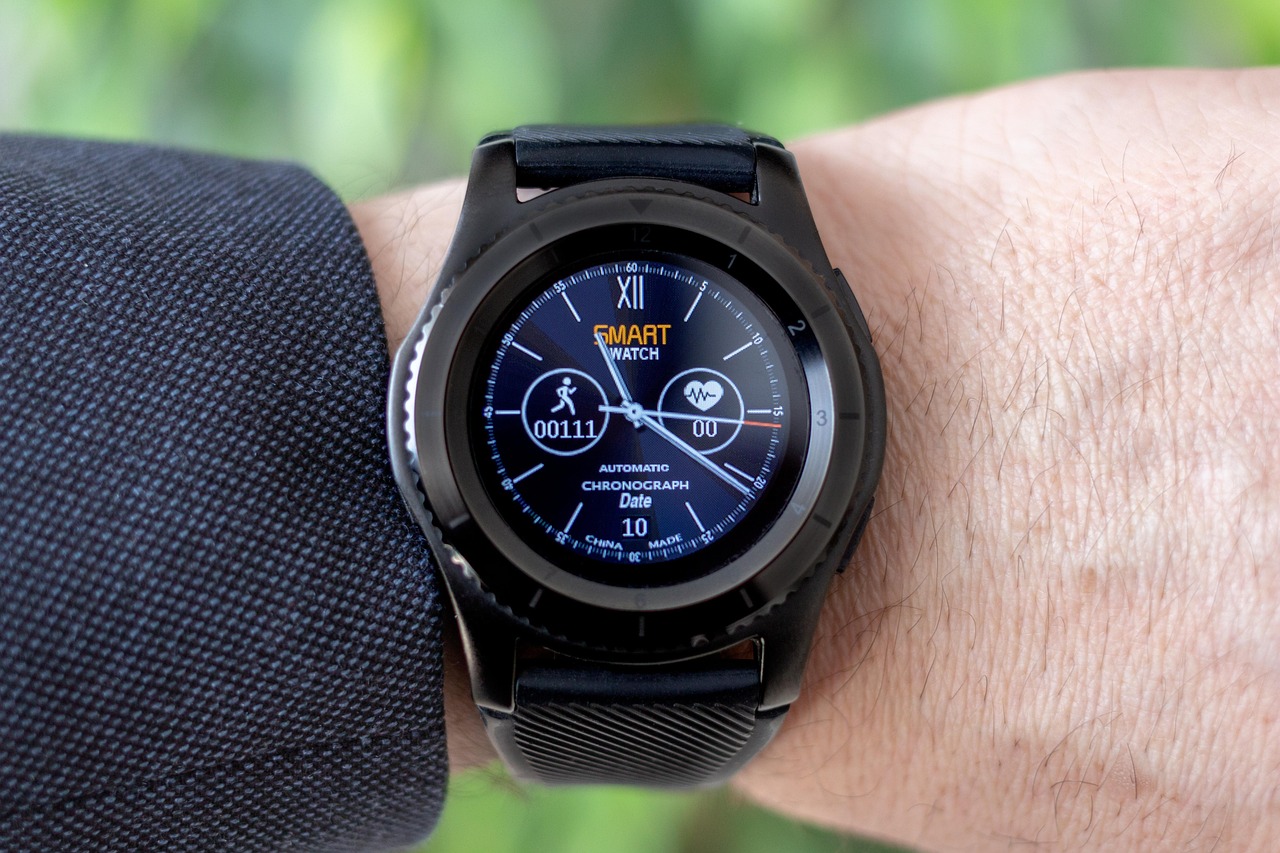

Technological Advances in Monitoring Noise Effects on Athlete Sleep Patterns
The impact of environmental noise on sleep quality is a growing concern for athletes. Understanding how various noise levels affect sleep patterns is crucial for an athlete’s recovery. Recent technological advancements have developed sophisticated noise monitoring systems. These systems analyze specific sound frequencies in living environments. By collecting data over time, they offer a comprehensive view of acoustic environments affecting sleep. For athletes, quality sleep is integral to performance. Sleep disturbances due to noise can lead to both mental and physical fatigue. Current technologies help identify peak noise periods, enabling strategic changes in sleeping environments. For instance, soundproofing techniques can be recommended based on noise data analysis. Additionally, analysis of sleeping patterns is simplified using apps that track both sleep quality and related noise exposure. Athletes equipped with wearables can monitor their heart rates and sleep metrics in unison with environmental noise data. The integration of these technologies facilitates tailored recommendations for optimal sleep conditions. Consequently, this innovative approach bridges the gap between physiology and environmental factors. More robust solutions ultimately enable athletes to enhance their recovery processes, thereby affecting their overall performance positively.
Environmental noise plays a pivotal role in determining sleep quality. Continuous exposure to disruptive sounds can lead to detrimental effects on sleep architecture. Specifically, noise can impede the transition between sleep stages. This disruption might manifest in decreased REM sleep, which is vital for recovery and cognitive function. Athletes, who often undergo rigorous training, require restorative sleep for optimal performance. Implementing noise monitoring technology can pinpoint troublesome noise sources during late-night hours. For example, urban athletes may suffer from traffic and construction sounds that challenge their sleep. Utilizing noise-canceling devices can be effective but may not be a sustainable method for all. Real-time monitoring devices provide feedback on surrounding sound levels throughout the night. Furthermore, they can alert users to times when noise levels exceed pre-set thresholds, allowing for timely remedial actions. Fitness applications that pair with wearable technology can store and analyze noise exposure data. This helps athletes understand the correlation between their sleep quality and environmental factors. Overall, addressing noise impacts through active monitoring can facilitate significant sleep improvement and, in turn, performance enhancement. Establishing quieter sleeping environments based on these insights is essential for every serious athlete’s regimen.
The Science Behind Noise Effects on Sleep
To comprehend the relationship between noise and sleep, it’s critical to understand the science at play. Human sleep cycles consist of several stages, including light sleep, deep sleep, and REM sleep. Disruptions from environmental noise can prevent athletes from reaching deeper sleep stages. Noise can activate the body’s stress response, producing adrenaline and cortisol, which hinder relaxation. Furthermore, the brain’s activity in response to noise can lead to fragmented sleep, resulting in a lower overall sleep quality. Studies show that even seemingly insignificant sounds can wake people from sleep or disrupt their restfulness. The cumulative effect of repeated disturbances can lead to sleep debt, a state where one fails to achieve sufficient restorative sleep. This can compound over time, impacting not just recovery but also cognitive functions essential for athletic performance, such as decision making and reflexes. Athletes, particularly those in competitive sports, need to recognize their vulnerability to these disturbances. They should utilize advanced noise monitoring to capture a full picture of their sleeping conditions. By becoming aware of how sound affects them, they can adopt appropriate strategies to enhance sleep and subsequently their performance levels.
Technological advances have made noise monitoring more accessible and efficient. Many athletes now leverage personal devices and applications to gain insights into their sleeping conditions and correlate them with their training routines. Noise level applications available on smartphones and wearables record sound data, often displaying results graphically for easy interpretation. Sports science researchers are also incorporating desk-mounted devices designed to monitor sound levels in training facilities and sleeping quarters. Continuous data collection using these devices enables real-time analysis of noise effects. One emerging trend is integrating IoT (Internet of Things) technology into sleeping environments. Smart devices can adjust their surroundings based on detected noise levels. For instance, smart fans or sound machines may automatically engage to drown out intrusive background sounds. Moreover, athletes can set alerts or preferences notifying them when noise levels become excessive. The analysis from noise tracking helps sports organizations understand when athletes are susceptible to sleep disturbances. Tailored recommendations can emerge from this data, ranging from environmental modifications to individual coping mechanisms. Continuous tracking also provides feedback helping athletes make informed decisions. Consequently, technology paves the way for evolving sleeping strategies, improving both recovery and performance.
Potential Solutions to Noise-Induced Sleep Disruption
Mitigating the effects of environmental noise involves various innovative strategies. The adoption of sound-proofing or sound-absorbing materials in sleep environments can be crucial. Whether in team accommodations or personal rooms, utilizing heavy curtains, acoustic panels, or rugs can help reduce noise intrusion. Additionally, athletes may find comfort in white noise machines or sleep headphones. These devices mask disruptive sounds, facilitating deeper sleep. While these techniques provide some relief, athlete-specific solutions should be assessed regularly. For instance, analyzing noise exposure data can lead to actionable insights tailored to the athlete’s unique circumstances. Furthermore, integrating mindfulness practices or relaxation techniques can help athletes prepare for bed. Deep breathing exercises and guided imagery can foster a peaceful mind, decreasing sensitivity to noise. Coaches and trainers should emphasize sleep education focusing on these environmental factors. Athletes should develop personalized sleep routines based on recommended strategies. Additionally, collaboration with sports psychologists can enhance mental preparedness for coping with disturbances. Regularly assessing both environmental factors and personal reactions will optimize recovery quality. Implementing these various strategies collectively ensures athletes can maximize their sleep potential and recovery capabilities.
Long-term adjustments to sleep-related noise issues require a comprehensive understanding of their effects on performance. Research demonstrates a direct correlation between sleep quality and injury prevention in athletes. Those who maintain uninterrupted and restorative sleep show improved muscular recovery and cognitive functioning. Monitoring and addressing noise levels is fundamental to ensuring these benefits are realized. Exercise physiology studies suggest that poor sleep can lead to hormonal imbalances. These imbalances affect protein synthesis crucial for muscle recovery and growth. As athletes focus on optimization, understanding external stimuli becomes a priority for achieving peak performance. Additionally, sleep quality influences motivation and mood stability during training. Athletes often find their competitive edge dampened by fatigue and irregular schedules resulting from poor sleep. Therefore, personalized noise monitoring can enhance awareness and encourage athletes to invest in enhancing their sleeping conditions. Leveraging technological solutions can further drive awareness of the symbiotic relationship between recovery and environmental factors. Stakeholders in sports should advocate both education and systematic solutions for noise-related challenges. In conclusion, understanding and addressing noise influences on sleep is essential for the holistic approach toward athlete care. Emphasizing this balance can ultimately contribute to athletic excellence across various sports disciplines.
Conclusion: The Future of Sleep Monitoring Technologies
The continuous evolution of monitoring technology marks an exciting frontier for athletes. As noise monitoring devices become more sophisticated, they offer a clearer understanding of the factors affecting sleep quality. Emerging devices relying on AI and machine learning algorithms promise to deliver personalized insights. These technologies will analyze vast amounts of noise data alongside specific sleep patterns. Innovations like smart mattresses and pillows that assess both body movements and surrounding noises are on the rise. This integration points toward a future where environmental adjustments occur in real-time to foster better rest. Athletes can expect more refined guidance on how to create sleep-friendly environments. Teams and organizations that embrace these advancements can significantly support their athletes’ well-being and performance. As part of a comprehensive strategy, leveraging technology not only promotes immediate results but also paves the way for longer-term health benefits. The intersection of sleep research and technology will continue to unveil important strategies for improvement. These insights will lead athletes, coaches, and healthcare professionals alike to collaborate on optimizing recovery through conscious choices surrounding sleep. Embracing these innovative technologies ensures athletes can thrive in competitive arenas while maintaining their health.