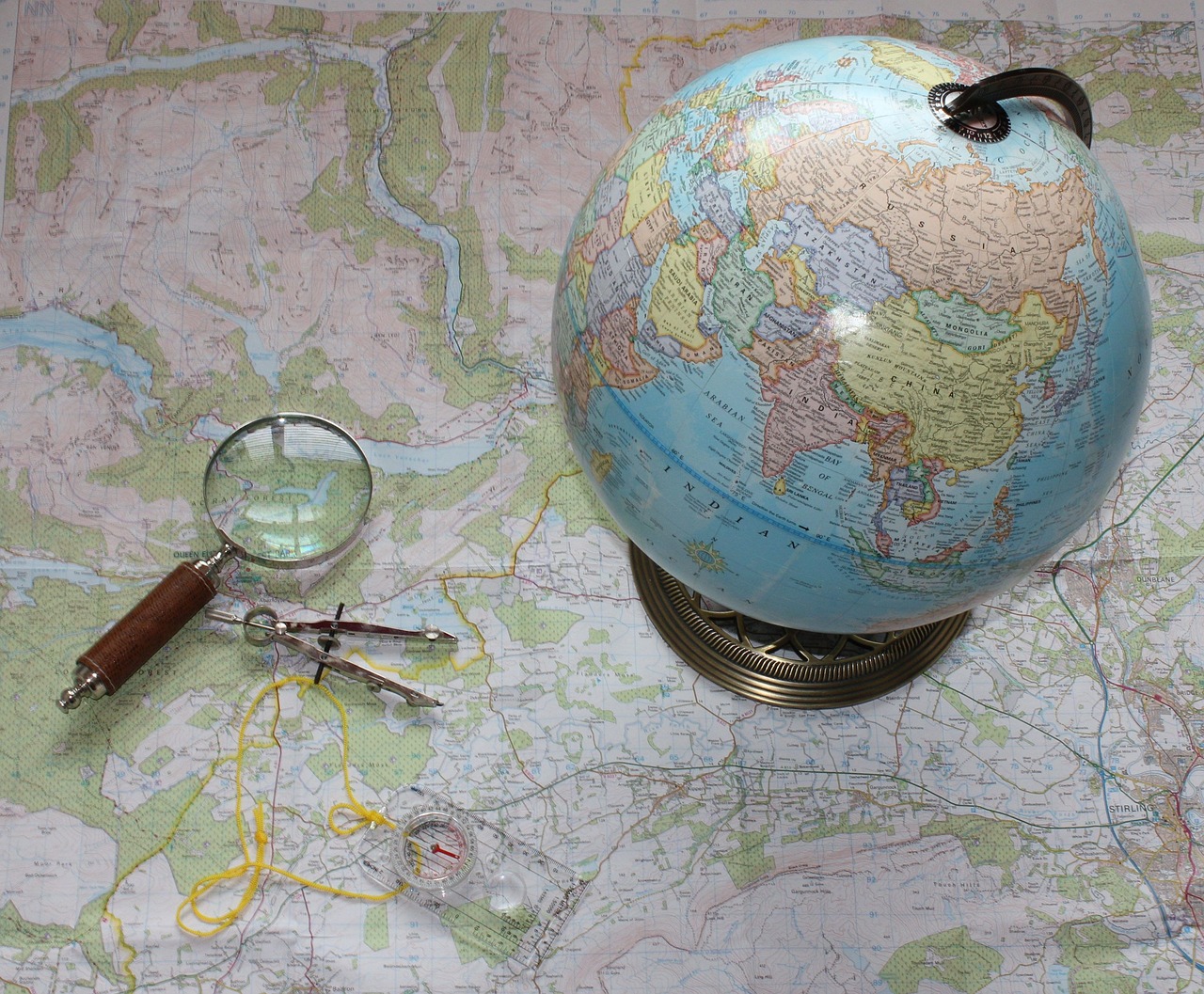

The Role of Maps and GPS in Modern Team Orienteering
Team orienteering demands effective navigation and teamwork; essential components significantly enhanced by maps and GPS technology. In this competitive sport, teams navigate through unfamiliar terrains using topographical maps, which provide detailed information about geographic features. The combination of traditional map-reading skills and advanced GPS devices enhances a team’s ability to strategize and execute their route efficiently. GPS devices offer real-time location tracking, making it easier for teams to stay on course and avoid potential pitfalls. Moreover, accurate GPS systems reduce the risk of errors that could lead to disqualification due to missed checkpoints. Understanding the use of technology can advance not only sporting performance but also enrich the participants’ experience. Effective communication and collaboration among team members play crucial roles; leveraging tools like GPS navigators becomes vital for keeping everyone on the same path. Embracing technology transforms potential challenges into opportunities for success in these events, ultimately fostering teamwork and enhancing navigation skills to secure victories. Maps serve as viable backups, ensuring teams remain adept at traditional navigation methods while relying on advanced technology during competitive scenarios.
As technology continues to evolve, teams must learn how to integrate maps and GPS systems effectively for optimal performance. Training sessions focusing on map interpretation and GPS management can enhance the skills required for success in orienteering competitions. Understanding how to read contours and identify key landmarks ensures that teams can maximize their map-reading capabilities, allowing strategic decisions based on their surroundings. Moreover, synchronizing team strategies with the help of GPS devices enables faster decision-making in the field. This knowledge helps teams develop navigational routes that can minimize time lost while traversing through various terrains. The introduction of mobile applications tailored for orienteering has revolutionized team practices by offering up-to-date data on weather and terrain conditions. These apps empower teams to make informed adjustments to their plans, enhancing overall performance. The synergy between traditional map navigation and technological advancements contributes significantly to a team’s success. Each member must also hone their skills in both areas to maximize success during competitions, ensuring everyone can adapt to different situations. Continuous practice is key to becoming proficient at combining these essential skills into a cohesive navigational approach, ultimately leading to better outcomes in competitive events.
Understanding the terrain is crucial in team orienteering. Detailed maps provide context about the environment; they indicate elevation changes, vegetation types, and even potential obstacles. By analyzing these features, teams can strategize their approach and optimize their paths. Navigational accuracy is paramount; losing direction can waste valuable time and hinder overall team performance. In instances where technology may fail, being equipped with a solid understanding of traditional navigation methods proves invaluable. This dual approach not only prepares teams for technological failures but also develops critical thinking skills. Analyzing map data effectively allows participants to plan and adapt their strategies based on real-time conditions. Team dynamics also come into play; using tools collaboratively encourages productive discussions around decision-making processes. Developing trust among team members facilitates a solid working relationship, leading to improved coordination during events. Adding to the overall experience of competitive orienteering, location-based technologies create a more engaging environment for participants. Understanding specific features of the terrain can bolster confidence in decisions made during competition, allowing teams to capitalize on their strengths in navigating various settings and achieving their orienteering goals while relying on traditional skills.
Challenges and Solutions in Team Navigation
In competitive environments, teams face various challenges regarding navigation. Situational changes, such as weather fluctuations or unknown obstacles, can disrupt a team’s planned course. To mitigate these risks, success hinges on preparing teams with strong navigational foundations and practicing adaptability. Being familiar with using GPS devices under pressure helps reduce anxiety during competitions. Additionally, exposure to diverse terrains during practice sessions will provide invaluable insights into navigating new environments. Learning the best practices in teamwork allows diverse perspectives to be shared concerning navigation strategies. Team members can benefit from comprehensive discussions around utilizing maps effectively while maintaining a focus on situational awareness. Educating teams on the importance of communication during competitions is equally essential; sharing information helps individuals stay informed and aligned on routes, ultimately enhancing overall performance. By leveraging both technology and traditional navigation methods, participants can better handle unexpected shifts during events. Developing flexibility in approaching challenges fosters resilience, allowing teams to adapt their strategies to serve their needs. These efforts culminate in improved team cohesion, contributing to successful navigation experiences and performance in competitions aimed at elevating orienteering to new heights as a sport.
Moreover, the balance between traditional mapping and advanced GPS technology must be emphasized within team practices. Although GPS devices offer convenience and efficiency, relying solely on them can prove detrimental if the technology fails. Understanding how to use maps effectively ensures that teams remain prepared during such circumstances. Training sessions should incorporate drills that expose participants to various scenarios that challenge their navigation skills. This hands-on experience enhances their confidence and equips them to handle real-time decision-making effectively. Additionally, restoring focus on map skills can renew appreciation for traditional navigation tools, fostering respect for the history and development of the sport. Teams are encouraged to explore the contours of the maps not just as static images but as dynamic tools for strategizing successful navigation paths. Furthermore, utilizing both methods simultaneously promotes error reduction while creating a supportive atmosphere for collaboration. Such practices yield valuable insights into the decision-making process when faced with unanticipated changes, allowing team members to confidently lean on each other. As modern technologies progress, maintaining a well-rounded skill set encompassing both maps and GPS navigation should remain a priority for every orienteering competitor.
Concluding Thoughts on Modern Orienteering
In conclusion, the integration of maps and GPS technology in team orienteering represents a vital development that enhances performance and readiness. While technology continues to advance, maintaining proficiency in traditional navigation skills builds a robust foundation for successful team dynamics. Moreover, fostering teamwork and communication enhances participants’ abilities to strategize effectively during events. It is important to celebrate the unique strengths brought to the table by each team member, combining their navigational skills for optimal performance. Organizations and coaches involved in orienteering should prioritize curriculum development that emphasizes these essential skills. Encouraging explorative practices during training fosters shared knowledge, helping teams become more cohesive and adaptable during competitions. By promoting a culture of continuous learning and collaboration, the sport can grow in popularity and become more accessible to new participants. The blend of traditional map reading with cutting-edge GPS technology sets the stage for future advancements in the sport while creating dynamic and enriching experiences for competitors. Ultimately, the proper use of maps and GPS not only enhances performance but also fosters lifelong skills applicable beyond the realm of orienteering. Continuous refinement of these skills allows teams to navigate challenges effectively, envisioning a bright future for the sport.
The world of team orienteering thrives on the interplay between maps and technology. As the sport becomes increasingly popular, participants must embrace both aspects to maximize their effectiveness during competitions. Today’s teams require an understanding of diverse environments, alongside the ability to efficiently use various tools available to them. By investing in training focused on enhancing navigational abilities and utilizing innovative tools, team members can refine their competitive edge. The fusion of performance and technology signifies a commitment to excellence in this sport while ensuring teams can tackle challenges they may encounter. As society becomes more connected, orienteering has evolved into an exciting activity that educates participants about teamwork and navigation skills essential for various real-world applications. The synergy at play between maps and technology embodies the spirit of adventure inherent in orienteering, encouraging camaraderie and development among participants. Such experiences cultivate not only athletic abilities but also key life skills that transcend adventures on the field. By prioritizing these elements, the future of team orienteering looks promising, setting the stage for continued educational experiences and growth opportunities within communities as this sport flourishes.
The incorporation of GPS technology into orienteering has enhanced the sport significantly, revolutionizing how teams navigate through complex terrains. Initially, this technology primarily served as a tool to aid solo navigators; however, it has since evolved, proving essential for team-oriented competitions. Access to accurate location data enables teams to develop effective strategies, adjusting their routes as required according to real-time information. Being able to visualize their current position on a map boosts confidence, motivating participants to push themselves further. Furthermore, technological advancements have simplified tracking for coaches observing performance remotely; they can analyze team dynamics and provide immediate feedback. By utilizing this technological component strategically, teams can refine their competition approaches, enhancing their performance continually. The methodical introduction of GPS technology into orienteering has changed the landscape of the competition altogether. With teams seeking the most optimal paths to victory, relying on the advantages that modern advancements provide can significantly impact overall success. Through collaboration and comprehensive training, harnessing these new tools within traditional navigation skill sets will secure a bright future for this dynamic sport, inspiring new generations to embrace orienteering.