
Calorie Burn Comparison: Plyometric Aerobic Dance vs. Traditional Aerobics
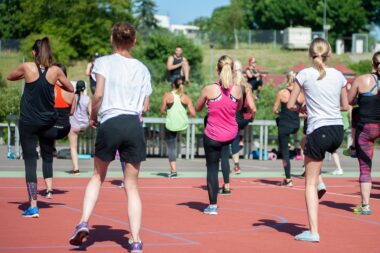
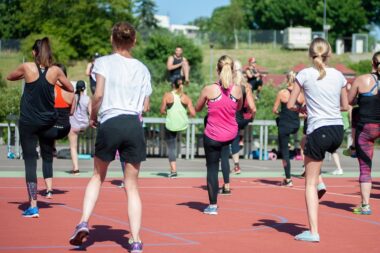
In recent workouts, comparing plyometric aerobic dance drills with traditional aerobics reveals a significant difference, particularly in calorie burning. Plyometric aerobic dance involves explosive movements aimed at enhancing strength, speed, and endurance. Traditionally, aerobic exercises engage participants in continuous, moderate-intensity workouts that mostly aim for cardiovascular health. While both forms of exercise are beneficial, the intensity and approach of plyometrics can lead to higher energy expenditure. Research indicates that participants performing plyometric drills may burn up to 30% more calories compared to those engaged in traditional aerobic routines. To experience optimal benefits, individuals should consider incorporating plyometric moves into their regimen. This could enhance overall fitness levels and support weight loss goals efficiently, as calorie expenditure is crucial in any effective weight management strategy. Moreover, the dynamic nature of these drills keeps workouts engaging while targeting various muscle groups simultaneously. This dynamic training method promotes not only calorie burn but also functional fitness. Understanding these differences helps individuals choose what best suits their fitness goals and preferences for an effective workout experience.
Understanding Plyometric Aerobic Dance Drills
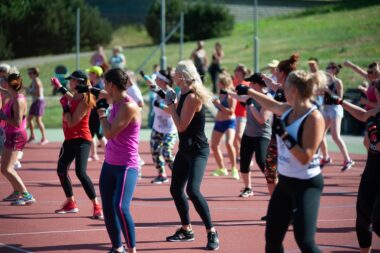
Plyometric aerobic dance drills combine high-energy movements typically found in dance workouts with explosive exercises that activate fast-twitch muscle fibers. Traditional aerobics often emphasize rhythmic patterns and low-impact exercises, including stepping and dance, which provide a fun workout experience. In contrast, plyometric drills include jumps, hops, and other high-impact activities. This style not only intensifies cardiovascular fitness but also enhances muscle power, agility, and coordination. Those who engage in these drills can enjoy noticeable improvements in strength, agility, and overall fitness levels. The variation of movements keeps the workouts stimulating, aiding motivation and consistency. These plyometric routines can be easily adapted to cater to various fitness levels, making them accessible yet challenging for all. Furthermore, the potential for greater calorie burn in a shorter time frame makes plyometric aerobic dance drills an appealing option for busy individuals seeking efficiency. As a result, incorporating these exercises into dance routines is becoming increasingly popular among fitness enthusiasts. Ultimately, integrating plyometrics might lead to improved performance in not just dance but a myriad of sports and physical activities.
When considering the calorie burn of plyometric aerobic dance drills versus traditional aerobics, data overwhelmingly supports the former as a more effective calorie-burning workout. While traditional aerobics can generally yield excellent results, particularly for beginners, plyometric training raises the intensity exponentially. With bursts of high-energy movements, it drives heart rates higher and keeps calories burning even after the workout is concluded, enhancing the overall training effect. Studies have shown that average caloric expenditure rates in plyometric training sessions can hover around 600-800 calories per hour. In comparison, traditional aerobic sessions may burn approximately 400-600 calories per hour, depending on the participant’s weight, age, and workout intensity. Moreover, the afterburn effect seen in higher-intensity workouts like plyometrics contributes to additional calorie burns throughout the day. This makes a compelling case for integrating plyometric dances into regular workout routines. As health and fitness continue to evolve, the understanding of effective calorie-burning strategies becomes increasingly essential for fitness enthusiasts. Selecting the right types of exercises can help individuals reach their health and fitness goals more efficiently.
An effective component of plyometric aerobic dance drills is the dynamic warmup routine. Warming up properly prepares the body for the intensive movements involved in these workouts and significantly reduces injury risks. Stretching, joint mobilizations, and light movements gradually increase blood flow, enhancing performance. Key to any successful workout, warmups ensure muscles and joints are ready for high-impact activity. Adequately warming up prepares deeper muscles neglected during standard aerobics. Moreover, integrating mobility drills into the warmup can also improve overall flexibility and range of motion. For beginners or those returning from an injury, customizing a warmup ensures safety while promoting enhanced performance. Subsequently, participants can engage in the actual plyometric drills, unlocking a thrilling method of cardio training. Implementing bursts of high-intensity workouts maintains elevated heart rates while providing ample opportunity for muscle engagement and sculpting. This multifaceted approach to fitness offers a holistic transformation, appealing to those who prioritize both strength and endurance. Ultimately, a well-structured warmup session effectively complements the main workout.
The Importance of Recovery
After an intense plyometric aerobic dance session, recovery becomes an essential aspect to consider. Despite the thrill and motivation surrounding such dynamic workouts, the body endures significant stress. Muscle recovery helps diminish soreness, decrease injury risk, and promote muscle growth. Focusing on hydration, replenishing nutrients, and stretching after workouts ensures optimal recovery. Stretching improves flexibility while easing muscle tightness, preparing the body for the next session. Nutrition plays a crucial role in recovery, as protein intake helps repair and build muscle tissues broken down during high-intensity drills. Furthermore, incorporating rest days allows the body to adapt and strengthen over time, resulting in improved performance. Quality sleep is also critical for recovery, as it promotes healing processes at a cellular level. Balancing high-intensity workouts with adequate recovery strategies prevents overtraining while maximizing the benefits from plyometric dance drills. Proper recovery methods ultimately enhance endurance, leading to higher levels of fitness over time. Apps and resources are available to guide individuals through effective recovery strategies. Engaging in mindfulness or yoga can additionally aid relaxation and recovery.
As individuals explore their fitness options, understanding personal preferences and goals is essential when selecting the right workout approach. Plyometric aerobic dance drills provide an exciting alternative to traditional aerobics, offering a vibrant and highly engaging experience. For those who may find traditional aerobics monotonous, incorporating plyometrics into their dance sessions can invigorate routines. Furthermore, the increased intensity and energy expenditure are significant considerations for individuals aiming for weight loss or enhanced cardiovascular health. Those who choose plyometrics may witness positive changes in their strength and fitness levels over time. Be sure to experiment with various styles and combinations to find the utmost enjoyment while reaping the benefits. This personalized approach encourages consistency, key to any effective training plan. Exploring diverse forms of exercise can keep momentum alive while challenging the body in innovative ways. Ultimately, balance is essential when navigating fitness decisions. Combining both plyometric and traditional exercises offers diversity while maximizing results tailored to individual experiences and goals. When approached with an open mind, individuals can find motivation and satisfaction in achieving their fitness aspirations.
Conclusion on Fitness Choices
In conclusion, the comparison between plyometric aerobic dance drills and traditional aerobics reveals that both forms offer unique benefits suitable for various fitness enthusiasts. Ultimately, the preferred training method will depend on personal preferences, physical capabilities, and fitness goals. For individuals aiming to enhance calorie burn, increase intensity, and improve strength, incorporating plyometric drills into their routines presents an effective solution. Traditional aerobics remains a valuable option for those who prefer a pace that allows sustained engagement over time. Whichever style individuals choose, making fitness enjoyable can influence long-term adherence. This recognition supports individuals in personalizing their fitness journeys while aligning with their lifestyle choices. Embracing various workout strategies provides opportunities for exploration and growth throughout fitness endeavors. It may be helpful to join classes or engage with community-based fitness groups to enhance camaraderie while acquiring support. Support systems and engaging environments often produce better workout outcomes, reinforcing motivation. Therefore, integrating insights from both styles can lead to a holistic approach toward fitness. Ultimately, finding enjoyment in physical activity empowers individuals to pursue their health goals with passion and commitment.
Overall, whether it’s plyometric training or traditional aerobics, every effort contributes toward a healthier lifestyle.